Advocates Ask Gov.Tina Kotek to Prioritize Early Childhood in Her 2027 Agenda

Advocates Ask Gov.Tina Kotek to Prioritize Early Childhood in Her 2027 Agenda

In these tough budget times, it’s more critical than ever to ensure kids across Oregon have what they need to be Great by Age 8 – and we need ongoing, statewide leadership to get it done. Because when Oregon kids flourish, the entire state does, too.

That’s the message Children’s Institute took to Gov. Tina Kotek in a virtual meeting on April 7. Members of our board and advocacy committee talked with the governor about the state’s early childhood priorities for the next biennium – and call on her to be a vocal and visionary leader for young children.

Kali Thorne Ladd, CEO of Children’s Institute, opened the discussion by linking children’s well-being to the economic and social prosperity of everyone in the state, a key priority for the governor.

“I believe children are central to shared prosperity,” she said. “We’re talking about kids, but also so much more than kids. We’re talking about the state all of us love.”

The panel thanked Gov. Kotek for specific progress she has made for young children in Oregon, including shifting housing policy to better fund family-sized units and preventing suspension and expulsion of kids in preschool and child care by protecting funding for Every Child Belongs.

Our focus over the next few years is ensuring early learning and care programs and systems are working well for young children and families and prioritizing young children in behavioral health.

These goals are closely connected to the work of Gov. Kotek’s Prosperity Council to advance the state’s economy and her new Early Childhood Care and Learning System Roundtable to chart a path to universal preschool. Thorne Ladd is co-chair of the state Roundtable.

“I spent most of my life in the corporate world, and taking care of children is good for business,” said Mike McNally, a CI advocacy committee member and founding board member of the Willamette Valley Wine Foundation. “It’s good for the prosperity agenda you have, and it’s a great investment.”

When we give young children access to quality care and learning experiences, we set them up for a lifetime of confidence and success. By age eight, we know if children are on track to thrive in school and life – or likely to fall behind and play catch up for years to come. Research shows investing in early childhood benefits not only children and families but the entire state with higher literacy and graduation rates, a stronger workforce, lower health care costs and a better economy.

It’s especially important to protect early childhood programs in challenging budget years, advocates said.

“I truly believe that investing in young children is one of the smartest and most impactful things we can be doing right now here in Oregon,” said Sara Kerr, a member of CI’s advocacy committee. “It’s the right thing to do for kids and families. It makes good economic sense, and I think it’s going to make everything else that we’re trying to do together that much easier and that much more impactful.”

Week of the Young Child: Celebrating Young Children and the People who Make Early Learning Possible

Week of the Young Child: Celebrating Young Children and the People who Make Early Learning Possible

Each April, communities around the country pause to celebrate the joy, creativity, and potential of young children during Week of the Young Child (WOYC).

WOYC is a tradition that started more than 50 years ago by the National Association for the Education of Young Children (NAEYC) to bring attention to the importance of early learning and the early learning and care providers and educators who make it possible.

At Children’s Institute, WOYC is a chance to lift up the pieces of early learning that are so important in early child development: children learning through play, building relationships, exploring their worlds and growing with the support of dedicated adults.

It’s also a moment to uplift the vision behind Great by Age 8, our framework underscoring the critical milestones from birth through ages eight that ensure every child has:

  • Secure attachment and nurturing relationships with caregivers and adults.
  • Access to quality early learning and health care that supports emotional and physical well-being.
  • A supported, seamless transition into kindergarten, which research shows is critical to success in school – and in life.
  • The confidence to learn and explore.

Across Oregon, we see the work underway to support children to learn through creating, imagining, moving and connecting with others. These joyful experiences reflect the heart of early childhood.

At a recent Early School Success Learning Lab at Cornelius Elementary, educators created space for students to lead their own learning through small group conversations and play-based exploration. What stood out was how confidently children shared their ideas with one another—building language, relationships, and a sense of belonging.

Moments like this from our Early School Success team show what’s possible when children are supported to learn, explore and connect. During Week of the Young Child and every week, we’re committed to helping every child in Oregon grow and thrive.

Children’s Institute CEO to Co-Chair Early Childhood Care & Learning System Roundtable to Chart a Path to Universal Preschool for Oregon

Children’s Institute CEO to Co-Chair Early Childhood Care & Learning System Roundtable to Chart a Path to Universal Preschool for Oregon

Children’s Institute is thrilled to announce that our CEO, Kali Thorne Ladd, will co-chair Governor Kotek’s new Early Childhood Care and Learning System Roundtable along with Sara Mickelson, a national expert in early childhood systems and former Chief of Programs and Chief of Staff for the Oregon Early Learning Division.

Thorne Ladd will also join our partner, Candice Williams, Executive Director at For All Families Oregon, and more early childhood experts to improve access to affordable, quality child care and preschool, and ultimately create a path for universal preschool in Oregon.

This announcement signals a collaborative effort among state and national early childhood leaders to strengthen the systems that support children in the first eight years of life: this is the heart of Children’s Institute’s work to ensure that every child is Great by Age 8.

Read the original announcement from the Governor’s Office below.

Governor Kotek Convenes Experts to Chart a Path to Universal Preschool for Oregon

Early Childhood Care and Learning System Roundtable to start with assessing current state-funded early learning programs to identify gaps and recommend improvements, strengthen alignment


Salem, OR – Today, Governor Tina Kotek announced she is convening state and national early learning experts to provide recommendations to improve access to affordable, quality childcare and preschool across the state, with the ultimate goal of ensuring access to preschool for all Oregon children.


“While President Trump freezes funds for childcare and undermines early education, Oregonians agree that children should have access to high-quality education, and that starts before kindergarten,” Governor Kotek said. “These leaders will work together to help us chart an actionable path for Oregon to achieve universal, statewide pre-k that working families can access and afford. Achieving this goal will help all children succeed and support the working families who make our economy grow.”


The first five years of a child’s life are a critical period for learning and growth. The First Five Years Fund, a national non-profit organization dedicated to ensuring all children from birth to age five have access to high-quality, affordable early care and education, finds that children who receive a high-quality early childhood education are more likely to earn higher wages, live healthier lives, avoid the criminal justice system, raise strong families, and contribute to society.


Additionally, a lack of early childhood care and learning options hurts the state’s economy. The First Five Years Fund projects that Oregon’s economy loses $1.4 billion annually due to childcare challenges. Too often, parents face an impossible choice between missing work and caring for their children. For some, that means forgoing a job altogether.


Over the past decade, Oregon has made important progress in expanding access to quality preschool at both the state and local level. However, too many families still struggle to find and afford high-quality childcare and preschool.


The Early Childhood Care and Learning System Roundtable (Roundtable) will work in phases to develop a blueprint for an Oregon where every family can access and afford high-quality childcare and preschool. The scope of the Roundtable’s recommendations includes:


  • How to improve the state’s current childcare and preschool programs with existing resources.
  • How to expand access and improve affordability of childcare for infants and toddlers across the state.
  • How to achieve universal preschool access for 3-and 4-year-olds across all 36 Oregon counties.

The Roundtable will be chaired by Kali Thorne Ladd, CEO of Children’s Institute, and Sara Mickelson, a national expert in early childhood systems.


Thorne Ladd was previously the co-founder and executive director of KairosPDX, a culturally specific organization dedicated to eliminating educational opportunity and achievement gaps for historically underserved children. Thorne Ladd has a long track record of working to transform early learning and healthy development for children and families in Oregon. This has included serving as the chair of the board for Portland Community College, serving on the state’s Early Learning Council, and serving on the board of the James F. and Marion L. Miller Foundation based in Portland. Thorne Ladd has also worked on education strategies in the mayor’s office in the City of Portland and at the Oregon Department of Education.


“I am glad the Governor made the strategic decision to prioritize this conversation,” Thorne Ladd said. “Access to quality early learning has an enormous impact on Oregon’s economic prosperity and is essential for our children to thrive in school and in life.”


Mickelson recently served as Deputy Cabinet Secretary for the New Mexico Early Childhood Education & Care Department, where she managed an annual budget of over $700 million and led the teams responsible for New Mexico’s PreK expansion, home visiting, and childcare toward a universal system. Mickelson brings deep familiarity with Oregon’s specific landscape to the role, having previously served as Chief of Programs and Chief of Staff for the Oregon Early Learning Division. During her tenure in Salem, she led the budget development and implementation of the early learning portion of the Student Success Act, resulting in a historic doubling of the state’s early care and education budget and the creation of 15,000 new early learning opportunities.


“Expanding access to early childhood services isn’t just about policy; it’s about providing stability for working families and a strong start for children in their most important years of development,” Mickelson said. “Scaling an early learning system that truly works for every family, regardless of where they live in the state, is a critical undertaking. This starts with getting the plan right, creating a roadmap that is not just ambitious but sustainable and grounded in the reality of what Oregon parents need.”


“Governor Kotek’s leadership on universal preschool couldn’t come at a more critical moment,” said Candice Williams, Executive Director at For All Families Oregon (formerly Family Forward). “While we face alarming kindergarten readiness gaps and a childcare crisis that’s costing Oregon’s economy billions, this roundtable can be a source of hope for Oregon families. We’ve seen what happens when early learning programs work: children thrive, parents can go to work, and communities prosper. But we’ve also seen too many families struggle to find quality, affordable care. This effort must address the urgent needs of working families across all 36 counties and ensure every child has access to the strong start they deserve. This is about building an Oregon where families don’t have to choose between their paycheck and their child’s care and development.”


The Early Childhood Care and Learning System Roundtable follows a series of actions the Governor has taken to improve public education at every level. That work has included the highest level of K-12 funding support in Oregon history, new investments in science-backed reading instruction, a statewide cell phone ban in schools, and the expansion of summer learning opportunities. The Governor’s collective efforts to tackle education challenges in Oregon helped contribute to a record high 82% high school graduation rate in 2025.


St. Helens Learning Tour Takes Advocates Inside Classrooms

St. Helens Learning Tour Takes Advocates Inside Classrooms

Children aren’t the only ones learning at Lewis & Clark Elementary School in St. Helens.  

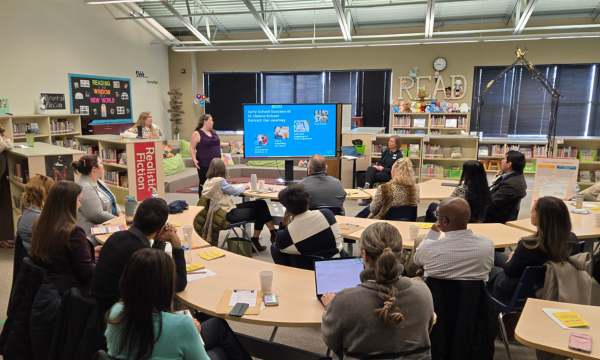
Early childhood advocates, leaders and policymakers visited classrooms on Jan. 20 to see how the Children’s Institute’s five-year Early School Success partnership with St. Helens School District helps students thrive academically, socially, and emotionally.  

The Learning Tour gave the group an inside view of what it means to prioritize early learning from preschool to 3rd grade – and how their support can make a difference for Oregon kids.  

“As a state representative, although I wish we could be in the classrooms every day, we don’t get the luxury to do that,” said Rep. Ricki Ruiz of Gresham. “I’m here learning from the professionals who are doing this work on a daily basis. I hope I can bring back some lessons to share with my colleagues in the Oregon Legislature.”  

In St. Helens, visitors observed how teachers and staff collaborate to align and enhance their classroom practices across grade levels and schools. For instance, teachers at Lewis & Clark bring play into the classroom with a strategy called “loose parts” to engage students and help them build academic and social skills. They give children small materials such as buttons, sticks, blocks or beads to manipulate in fun, creative ways

A panel discussion followed the tour. Panelists were Cheri Martin, Lewis & Clark principal; Dani Henningsen, St. Helens early learning director; Teresa Gore, a kindergarten teacher, and Julio Bautista, continuous improvement specialist at Children’s Institute.  

Martin said classroom activities like loose parts level the playing field by giving every child an access point to a lesson. That is, some children who may not engage with a writing activity may engage with loose parts to communicate.  

As a result, test scores have shown incremental improvement, Martin said. “We’re moving the dial.”   

“The engagement piece has increased quite a bit, and we are seeing kids eager to learn and be happy,” Henningsen said. “Our newest mission now is to bring back the trust in our community and have people see how great our schools are and how great our teachers are.”

Children’s Institute partners with educators in Early School Success to align instruction, environments, family engagement, and support in early grades. In St. Helens, Children’s Institute has helped with facilitation, coaching, professional development, and tailored supports to help educators address challenges and improve student experiences. 

These partnerships help set the foundation for Oregon’s early learners to be “Great by Age 8,” ensuring they have the confidence to learn and explore by third grade, so they can lead fulfilling lives. 

“We want to see our children thrive,” said Dr. Alexa Pearson, Oregon’s assistant superintendent of teaching, learning and assessment. “We get to start with the earliest learners and see where we’re making those bridges and connections between our pre-K to kindergarten, and the ways we can blend those together. That’s really exciting work, and I got to see that today.”


Partner with Children’s Institute to strengthen school-based early childhood supports. Learn more.

Celebrating Lyn Hennion’s Life and Legacy

Celebrating Lyn Hennion’s Life and Legacy

Celebrating Lyn Hennion’s Life and Legacy

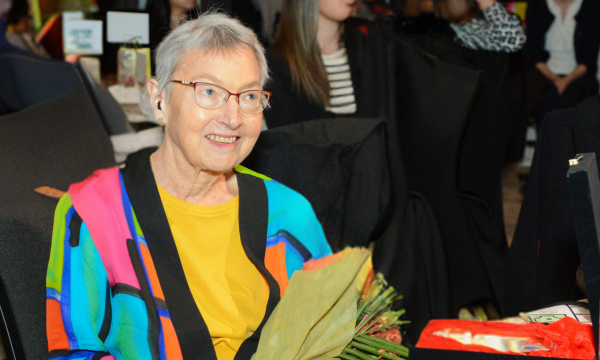
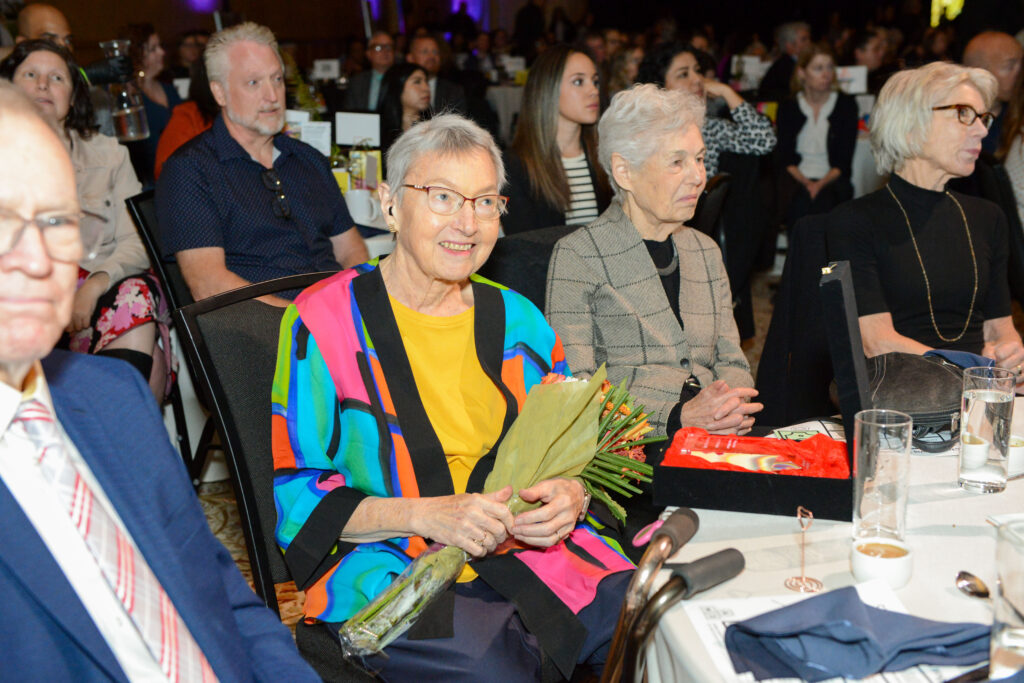
Lyn Hennion received the Alexander Award at the 2025 Champions for Children luncheon.

Children’s Institute celebrates the life and legacy of Lyn Hennion with deep gratitude for her advocacy, dedication to young children, and lasting impact across Oregon. 

While Lyn had a successful career as a leader in banking and finance, she poured her heart into improving the lives of children and families.

She understood that children’s early experiences set the stage for the rest of their lives and spoke boldly about the importance of investing early, knowing that investing in children is an investment in all Oregonians.  

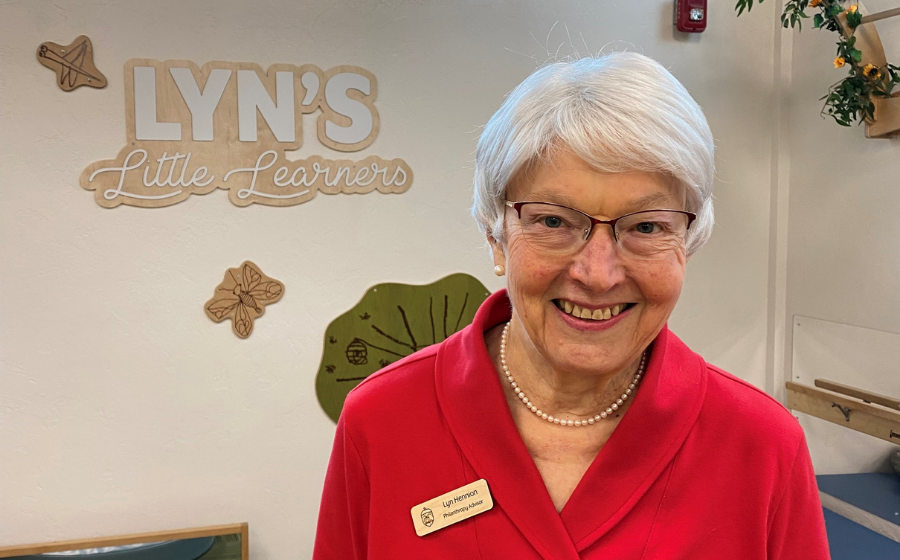
Lyn Hennion stands near the infant-toddler learning space, “Lyn’s Little Learners,” at the Children’s Museum of Southern Oregon

Lyn believed deeply that every child deserves the chance to explore, imagine, learn, play, and feel a sense of belonging — and she worked tirelessly to make this possible. 

She had a unique way of seeing possibility where others might not, and believed that every child is worthy of love, time, and energy. Because of Lyn, countless children have discovered that they matter and are capable of amazing things.

Her leadership on Children’s Institute’s Board of Directors was instrumental in expanding support for children in rural communities and particularly in Southern Oregon. Her influence helped shape systems and partnerships that continue to support children across the state. 

Those who knew Lyn remember her as a courageous and passionate advocate whose impact will be felt far beyond any single role or accomplishment. Peter Buckley, a current Children’s Institute board member and longtime friend of Lyn, shared:  

“I will always remember Lyn’s remarkable intelligence, passion, and humor. She had so many accomplishments in her life and her legacy is a wonderfully positive impact on the lives of thousands of children and families.” 

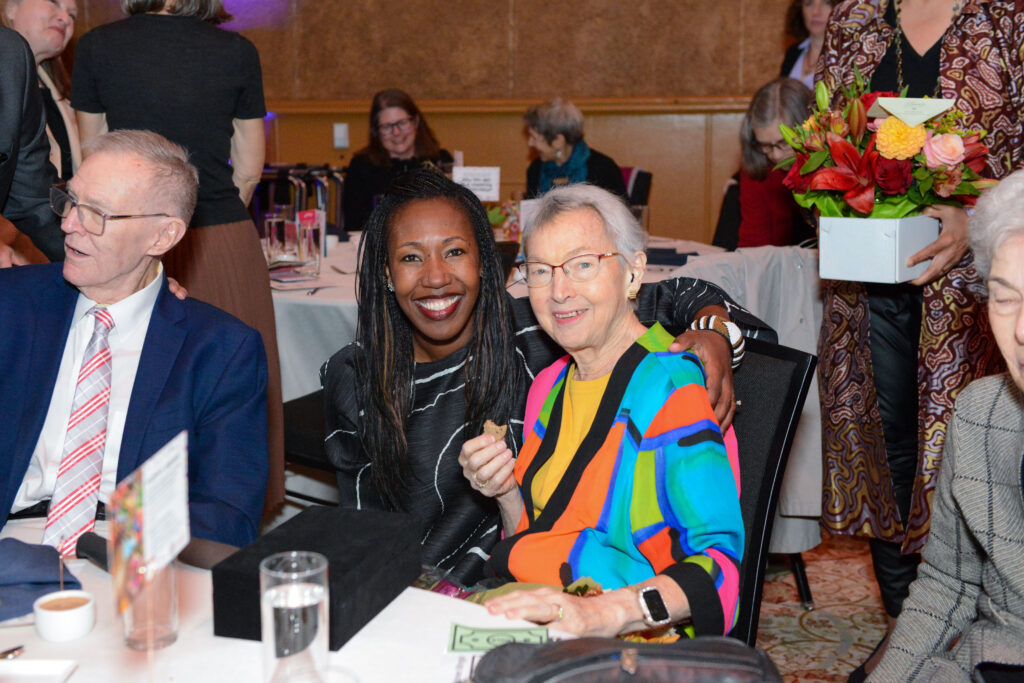
Kali Thorne Ladd (left) and Lyn Hennion at Children’s Institute’s 2025 Champions for Children luncheon. At the event, CI presented Lyn with the Alexander Award for her advocacy and dedication to improving the lives of children in Oregon.

In 2025, Children’s Institute was honored to present Lyn with the Alexander Award, a fitting recognition for someone whose leadership and commitment made a significant impact, not only on children and families, but anyone who crossed her path. Children’s Institute’s CEO, Kali Thorne Ladd reflected on Lyn’s enduring influence:

“Lyn was an unstoppable force for good. Her tenacity and spirit are an inspiration to anyone who had the privilege of being in her orbit.”

Lyn’s strategic vision, enthusiasm, and belief in what’s possible for children inspire us to carry her legacy forward with purpose and heart.