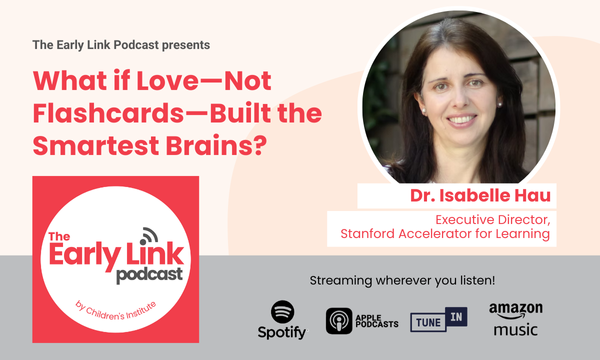
Isabelle Hau asks, “What if love—not flashcards—built the smartest brains?”

Isabelle Hau asks, “What if love—not flashcards—built the smartest brains?”

What if love—not flashcards—built the smartest brains?

In this episode of The Early Link Podcast, Stanford’s Dr. Isabelle Hau joins guest host Kali Thorne Ladd, CEO of Children’s Institute, to share fresh insights on relational intelligence, why babies laugh eight times harder with a friend, and how technology is quietly disrupting family dinners. She digs into France’s universal preschool, Head Start’s looming funding cliff, and the Sunday-night ritual that turns bedtime dread into disco therapy. Prepare to learn about science, real-world inspiration, and hopeful ideas!


More about The Early Link Podcast

The Early Link Podcast highlights national, regional, and local voices working in early childhood education and the nonprofit sector. The podcast is written, hosted, and produced by Children’s Institute.

Listen to more episodes of the Early Link Podcast here or stream on Spotify, Stitcher, Amazon Music, TuneIn, and Apple Podcasts.

Early Childhood is Making Headlines! | CI News Roundup

Early Childhood is Making Headlines! | CI News Roundup

The momentum for early learning and care, and child well-being in Oregon is growing, and Children’s Institute’s work is at the center of these conversations. From advocating for more health supports for parents during and after pregnancy, to expanding investments in family support services, our work is making headlines!

Don’t miss the latest media coverage, featuring Children’s Institute and our partners, below.

June 2025

June 18, 2025 Children’s Institute, Latino Network, and Healthy Families Oregon say early intervention is key to positive long-term social and economic outcomes. The latest state budget proposal for early learning and care programs would lead to major setbacks in educational outcomes and destabilize communities.

Watch here

June 17, 2025 In a “reluctant yes” vote, the Oregon Senate passed SB 5514 on Monday, June 16. The $1.4 billion budget is 3 percent less than current levels and could lead to preschool closures and job losses. The bill includes cuts to all programs offered by Oregon’s Department of Early Learning and Care including, Preschool Promise, Healthy Families Oregon, Early Childhood Equity Fund, and Parenting Education. 

Read more

June 12, 2025 In Oregon, early learning and child care programs are on the brink of facing a significant financial setback, with proposed budget cuts amounting to $45 million over the next two years. This reduction jeopardizes access to vital services for families struggling to secure reliable and affordable child care before their children enter kindergarten.

Read more

June 11, 2025 Oregon’s Department of Early Learning and Care, the agency overseeing child care and early childhood education, is poised to receive $45 million less from the Oregon Legislature than it needs to operate those programs at their current level of operation over the next two years. 

Read more

February 2025

February 20, 2025  In this op-ed, Dana Hepper (Children’s Institute) and Alejandro Queral (Oregon Center for Public Policy) urge Oregon lawmakers to expand Employment Related Day Care (ERDC) and increase the Earned Income Tax Credit (EITC). These investments would make child care more affordable, ease financial stress for families, and improve outcomes for young children across Oregon.

Read more

February 20, 2025A six-part report finds Oregon needs to modernize its decade-sold funding formula to meet statewide goals for student success, especially in schools that serve a concentration of students from low-income families. In this article, Dana Hepper, director of policy and advocacy at Children’s Institute emphasizes the need for both increased funding and accountability, so resources lead to better educational outcomes.

Read more

February 19, 2025 Former Oregon governors and early childhood advocates convened on February 17 to push legislation that will support early childhood education, child care, and family supports that will help set a strong foundation for young children in Oregon.

Read more

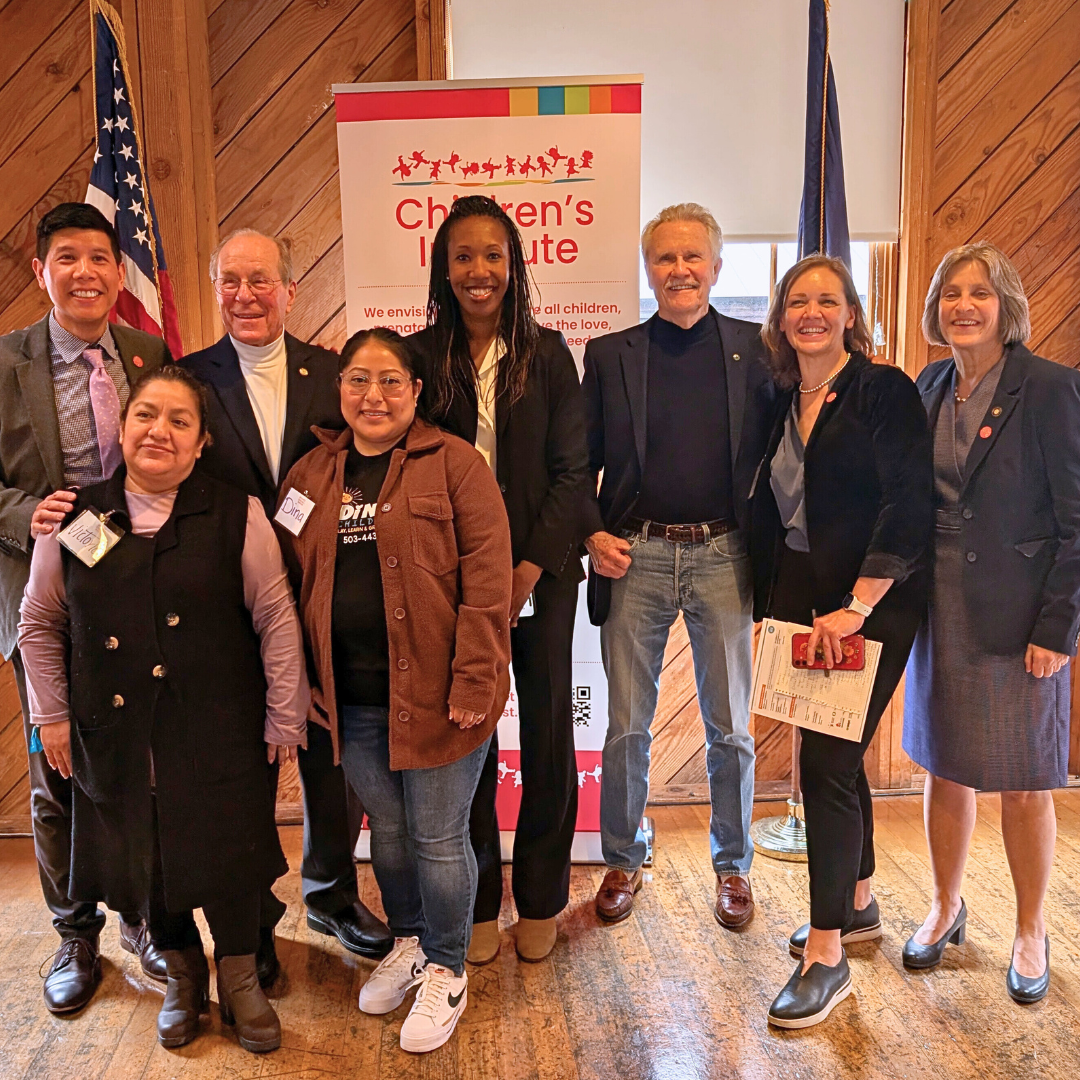
February 17, 2025Former Oregon governors John Kitzhaber and Ted Kulongoski joined early childhood advocates from across sectors at the Choose Children Day of Action to push for increased state funding for young children and families. Organized by Children’s Institute, the effort supports investments in child care, early education, and health care, including the Momnibus package.

Read more

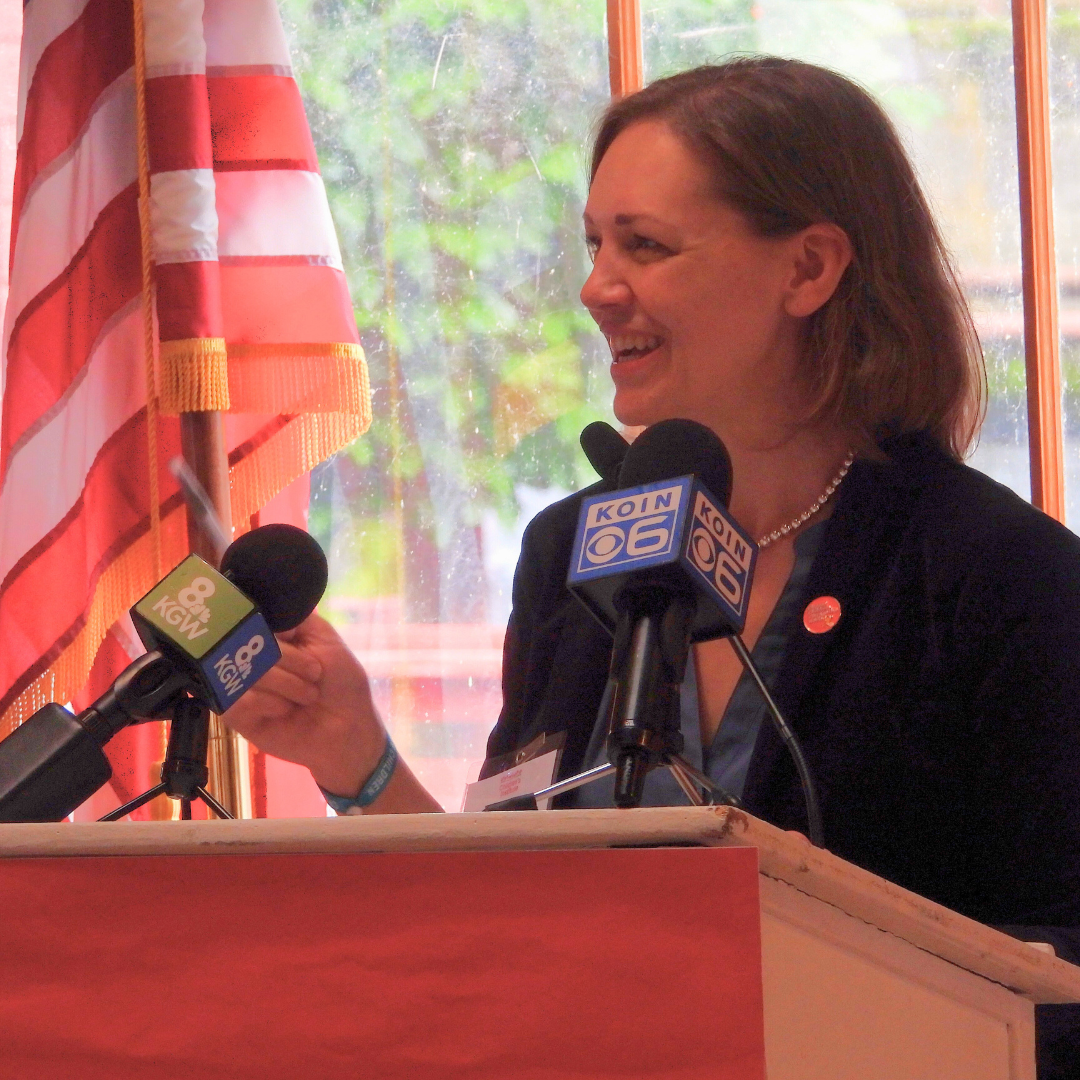
February 17, 2025 Children’s Institute CEO, Kali Thorne Ladd, and Senator Lisa Reynolds joined KOIN 6 AM Extra co-hosts to talk about Oregon’s Momnibus Act and the impact that these policies will have on infants, young children, and families.

Watch here

CI Wrapped: Our Top Moments of 2024

CI Wrapped: Our Top Moments of 2024

Join us in reflecting on and celebrating another year of meaningful progress, partnerships, and impact for Oregon’s young children and families.

As 2024 comes to a close, we’re thinking about the unforgettable moments this year that brought us closer to making sure every child in Oregon has what they need to thrive.

And, with 2025 right around the corner, we want to let you know that we remain committed to collaborating with communities and supporting organizations who share a commitment to advocate for our youngest Oregonians.

We want to thank all of our partners, early childhood advocates, colleagues and legislators for their continued support and advocacy for young children and families in Oregon.

When we choose children, we can change the world!

Sincerely,

Children’s Institute Team


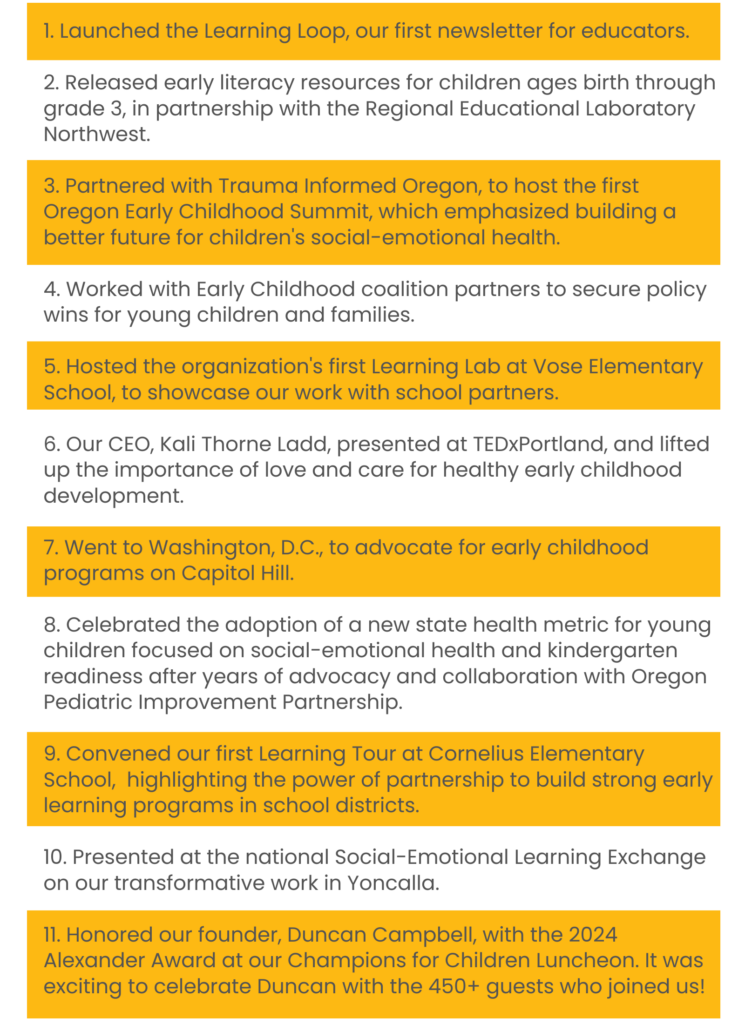
Children’s Institute’s Top 11 Moments of 2024

In 2024 we…


Children's Institute

Strengthen Early Learning and Care in Oregon!

Strengthen Early Learning and Care in Oregon!

Children’s Institute believes that if we choose children, we can change the world.


Join us by adding your name today!

Strengthening the early learning and care system is a top priority for Oregon.

We know that what happens in the early years lays the foundation for a child’s future academic success, social development, and overall well-being. Research has consistently shown that children who have access to quality early learning and health programs are more likely to succeed in school and in life.

Despite the clear benefits, many children in communities across the state do not have access to proven early childhood programs and services. Strengthening early childhood opportunities reduces inequality and creates the opportunity for all Oregonian children to succeed.

Oregon has the essential building blocks in place to create a powerful and effective ecosystem of learning and health for our youngest children. But programs and services are still underfunded and don’t reach all the children and families who can benefit.

It’s up to us, adults who care about children, to keep the needs of children at the forefront of policymakers’ minds, and to advocate to make our early learning and care system stronger. This year is no different — we must continue making progress for children.

Our Priorities are Clear!

    • Ensure more children have access to early learning and child care
    • Support educators and providers working with young children so they can be at their best
    • Reduce child poverty so families can meet their basic needs
    • Reduce child homelessness by increasing housing options for children under age 2
    • Co-locate child care with family housing
    • Expand access to doulas to ensure safe births and post-partum support
    • Strengthen parent-child relationships through social-emotional health services

Early childhood investments are great for kids and families, and they are one of the best investments we can make for Oregon’s future.

Add your name today!

State of Preschool 2023 Yearbook Report

State of Preschool 2023 Yearbook Report

The National Institute for Early Education Research (NIEER) released the State of Preschool 2023 Yearbook. This annual report tracks preschool enrollment, funding, and quality across the United States. This year’s report highlights key findings on universal preschool and emerging trends nationwide.

Preschool Spending

The NIEER report provides important insights into preschool spending across the United States for the 2022-2023 school year. 

Spending on publicly funded preschool programs increased significantly in 2022-2023, in part because of the distribution of federal and state COVID-19 relief funds. In total, states spent $11.7 billion on preschool programs.  

On average, states individually spent $7,277 per child enrolled in preschool programs. When adding federal and local funds from COVID-19 relief dollars, the total average spending per child rose to $11,300. This indicates a growing investment in early childhood education.  

This is notable because while it is more than what states spent before the pandemic, there isn’t a marked difference in spending from 22 years ago (about $6,950 per child per year in 2002). 

Preschool Funding

Preschool funding remains a major policy issue for states to consider as they make choices about the future of early education. A key question for the future is whether states will increase funding enough to keep promises to expand programs and increase quality, including adequate pay for teachers. Is our country and our state at a turning point to make real progress towards high quality universal preschool? 

More States Adopting Universal Preschool

A growing number of states are moving toward a universal preschool model, aiming to provide publicly funded preschool education to all children. This shift recognizes the importance of early childhood education and seeks to ensure that all children, regardless of socioeconomic status, have access to high-quality preschool programs.  

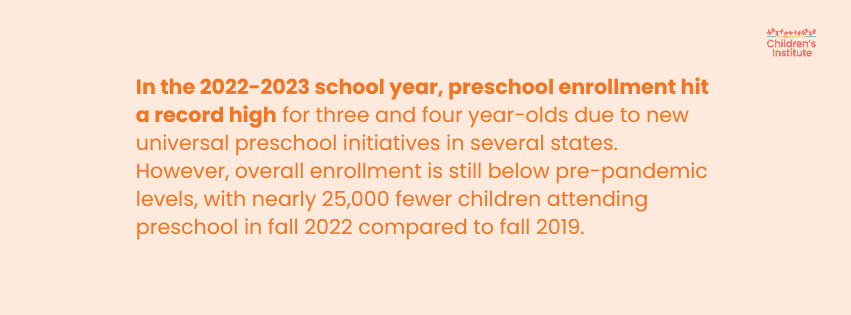
As of the 2022-2023 school year there are 60 state funded preschool programs in 44 states and Washington, D.C.  

A Critical Moment for Preschool

States need to make strategic decisions about early childhood education and invest in high quality preschool programs that support whole-child development. Early learning investments are the most cost-effective way to close opportunity and achievement gaps, support families, and strengthen child care availability.  

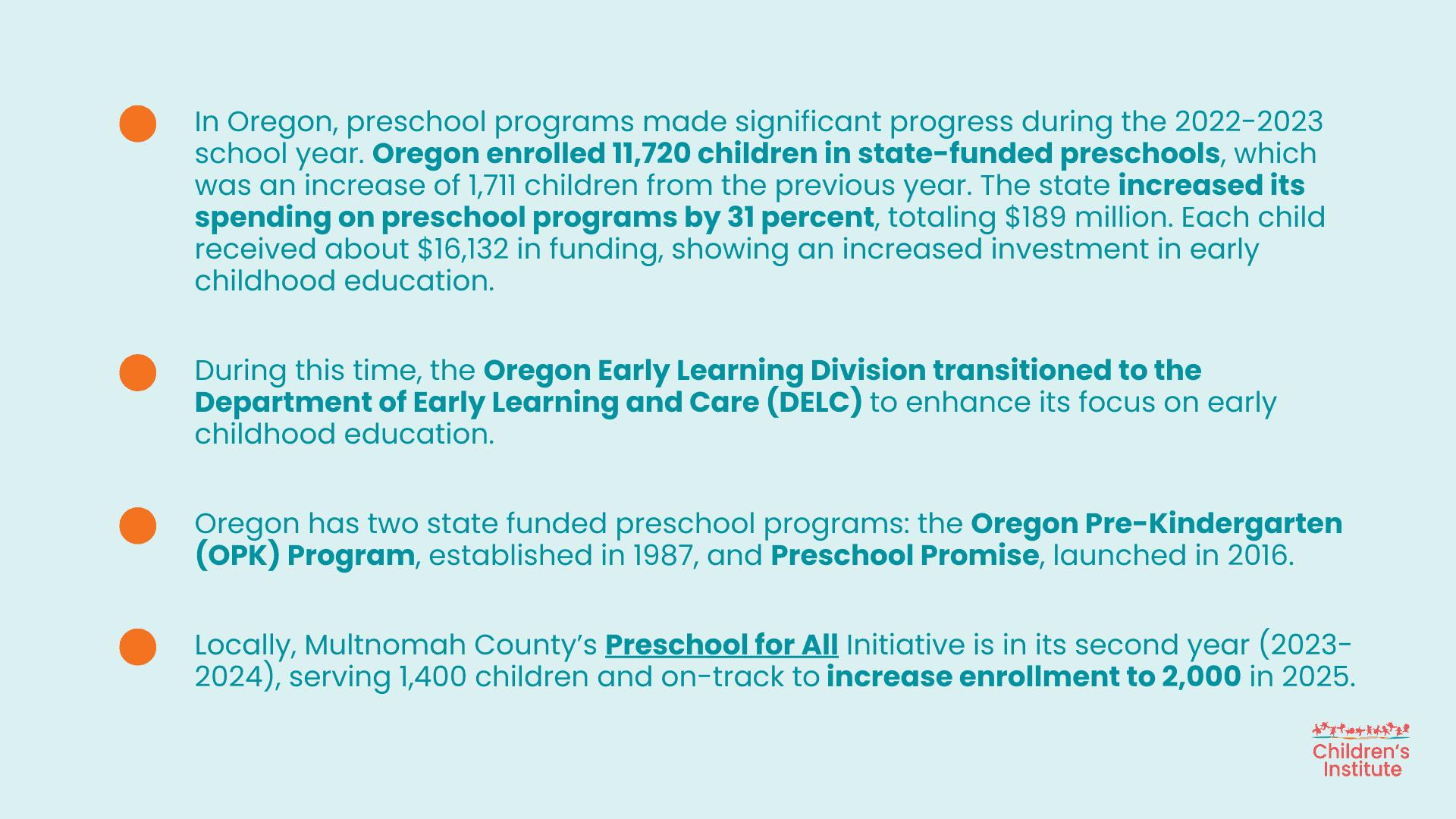
Oregon continues to work on expanding access and improving the quality of preschool programs. While progress is being made, more is needed to make sure that all children have access to high quality early education, regardless of their zip code. 

Children’s Institute, community partners, and other early childhood advocates are calling for state policymakers to prioritize young children, not just in early education, but in housing and behavioral health, as essential pillars of Oregon’s early childhood ecosystem. Because when we center children across sectors, we create more equitable opportunities and brighter futures.