Oregon Early Childhood Inclusion Impact Report 2026

Oregon Early Childhood Inclusion Impact Report 2026

Oregon’s early learning system is stronger when inclusion, belonging, and family partnership are built into how communities work—together. We are excited to share the latest updates from the Oregon Early Childhood Inclusion(OECI) Initiative. The latest OECI impact report showcases the significant progress made in creating inclusive environments for all children.

Dr.Marina Merrill has served on the OECI State Leadership Team since the very beginning, helping guide this work in partnership with state and community leaders.

“This progress is a powerful move in the right direction for children with disabilities and their families—made possible through collective effort and strong partnerships across Oregon.”

– Dr.Marina Merrill, Director of Research and Strategy, Children’s Institute

Discover more about the key achievements and ongoing efforts to support equity and inclusion in early childhood education.

The Oregon Early Childhood Summit

The Oregon Early Childhood Summit

“When we see children, they don’t exist in the background,  – they exist within their community and alongside their caregivers,” said Abigail Mendez, senior manager at Latino Network at the Oregon Early Childhood Summit.


Held on Friday, March 22 at Portland State University, the event brought early childhood professionals from across the state and across sectors to collectively envision a better future for children’s social-emotional health. The event was produced by Children’s Institute and Trauma Informed Oregon.  

Mendez elaborated on why a trauma-informed approach was necessary. “For many of us, we are trying to heal what we experienced growing up and heal these wounds across society. And children are not only seeing this process, but now having more experiences where they can grow up in a healthy place because of the work we are doing” she said.  

Representatives from the medical field, rural communities, special education classes, Indigenous communities, family care practitioners, neurodivergence specialists and more gathered to have critical conversations about how the state can better serve our little ones.  

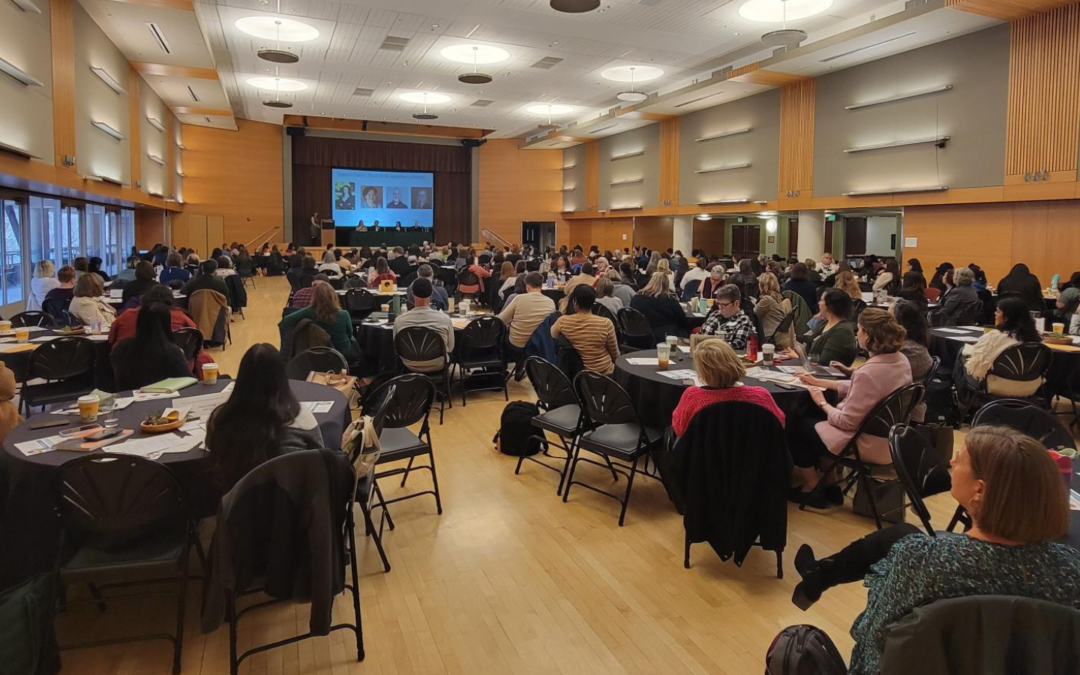
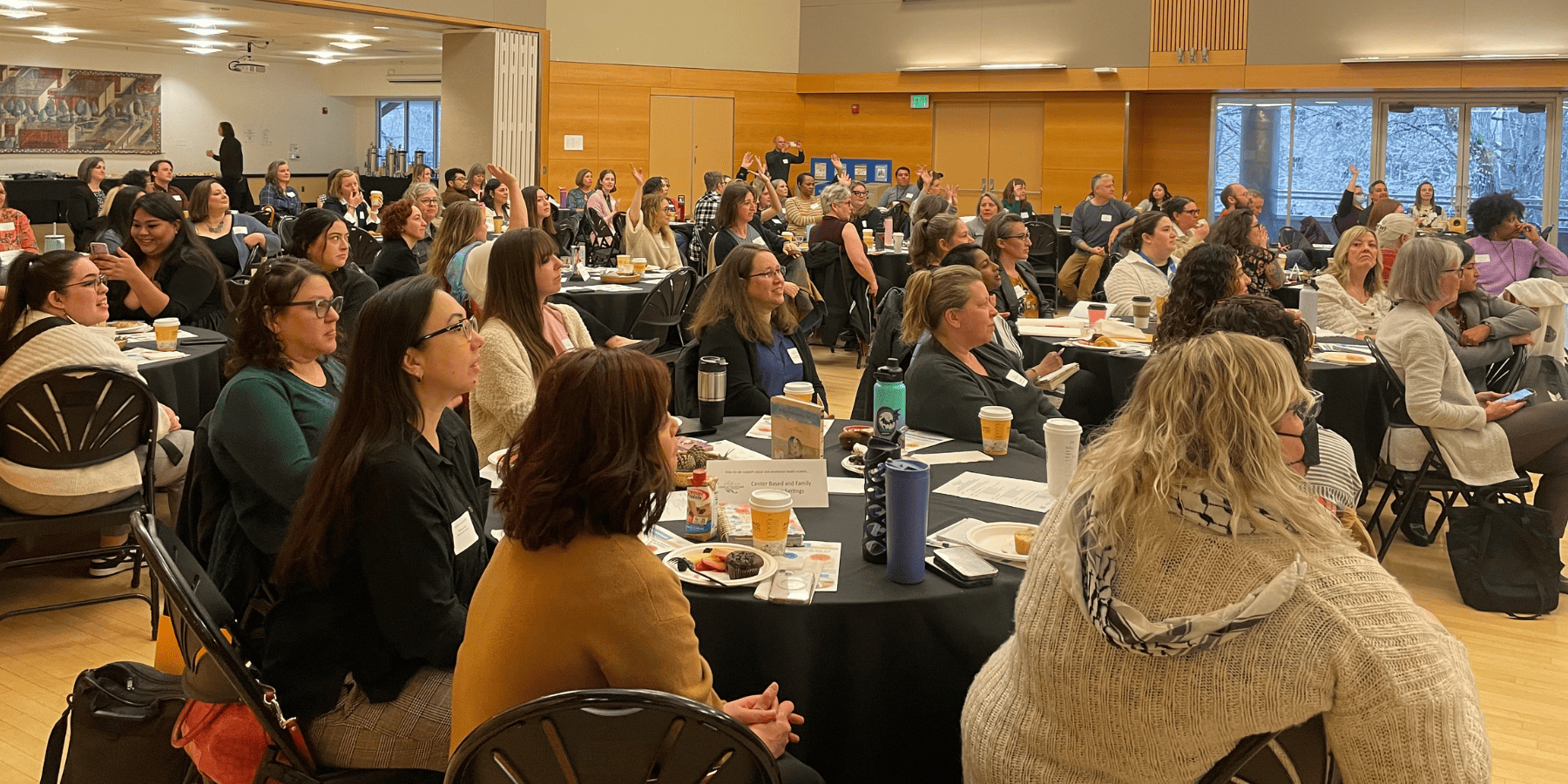
A photo of the room with representatives from across the early childhood movement


Kali Thorne Ladd, chief executive officer at Children’s Institute, opened the event with a call to action: to listen to one another and to center the strengths of children and families throughout the summit. 

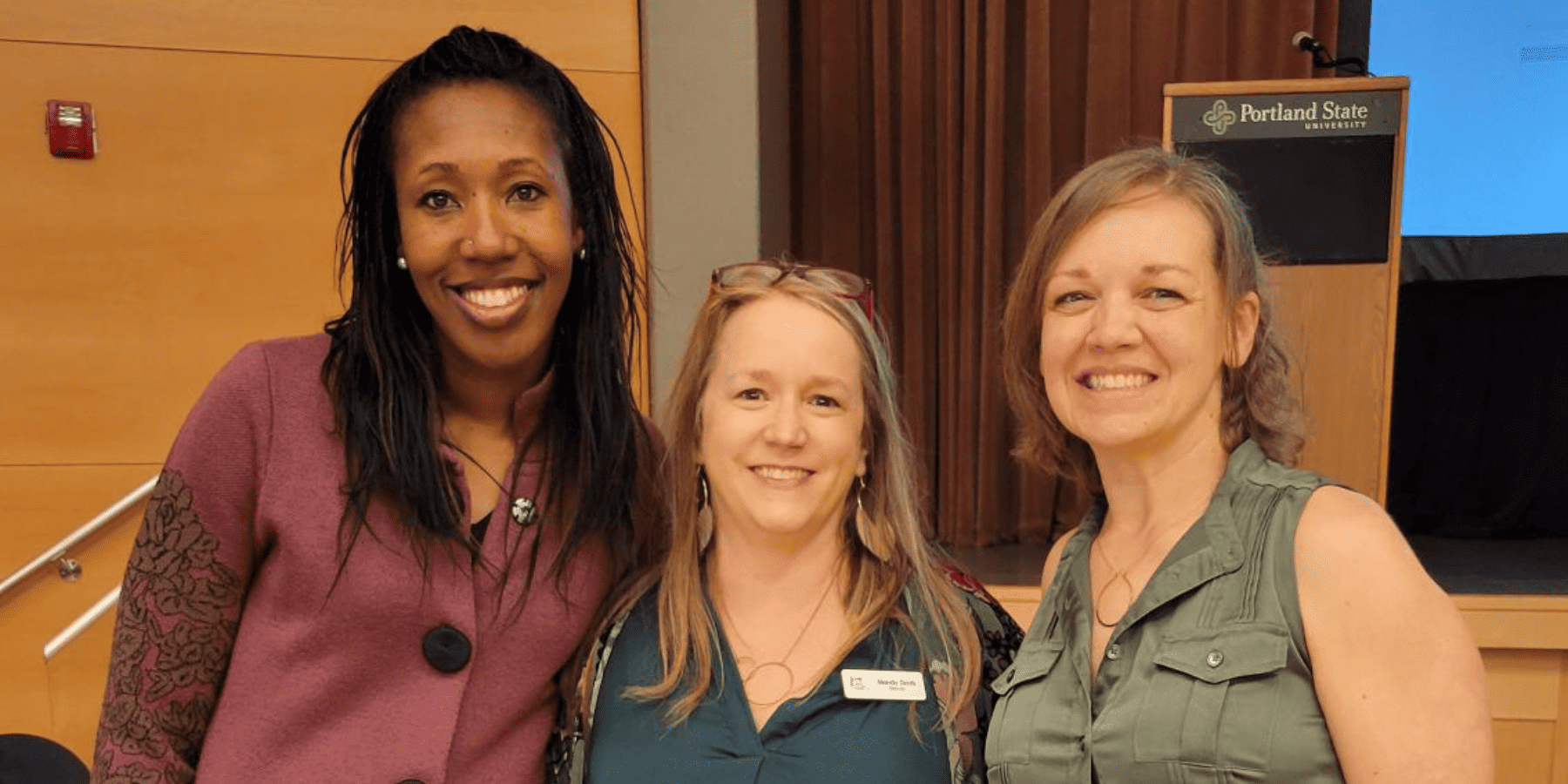
Photo of Kali and Dana starting the event

The day’s sessions elevated both community and systems perspectives, shedding light on the deeply relational as well as policy-backed solutions required to keep advancing the work of trauma-informed care.

The first panel focused on providers serving communities with trauma-informed care and the formidable barriers children and families face within these communities. Many families of color and those who have recently immigrated to the United States encounter a wide range of challenges, from the continual stress caused by displacement and language barriers to the lack of culturally responsive resources available. Despite the presence of obstacles, these families are finding innovative ways to provide for their children’s future, collaborating with teachers, neighbors and coworkers to build community assets such as child care programs and centers for traditional learning.  


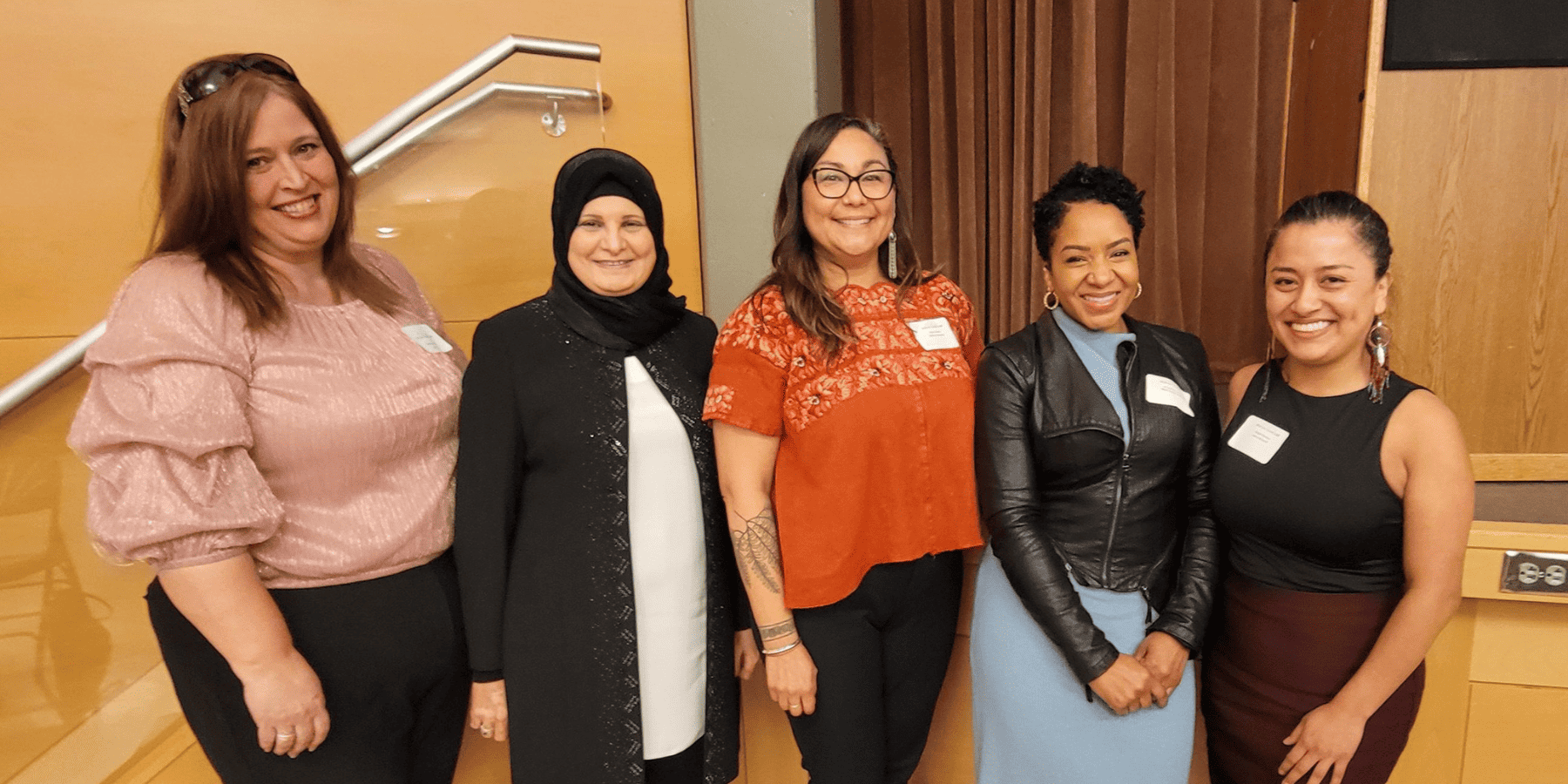
Photo of the Speakers from Panel 1

Panel 1 Speakers: Abigail Mendez of Latino Network, Bahia Overton of Black Parent Initiative, Ingrid Solares of Adelante Mujeres, Miko Erikson of Oregon Child Development Coalition, and Nagia Elzaidi of Salem Islamic Center

 Part of this work demands the rewriting of narratives around insufficiency and lack of access to support. For children growing up labeled with stories of struggle, sometimes even well-meaning support efforts can perpetuate ideas that these kids are less capable due to trauma they’ve experienced and the strength it takes to survive challenging obstacles. But rather than focusing on survival, it’s time to tackle the systems creating situations where families and children are forced into survival mode.  

In addition to behavioral and social emotional support for children, adults can greatly benefit from gaining social emotional tools and training.

As Miko Erikson of Oregon Child Development Coalition shared, “When adults struggle to regulate their own emotions, they are less able to help children communicate theirs.” Cross-generational healing and opportunity for learning is critical for reshaping these systems. Further solutions proposed included intentional inclusion of father figures in early childhood support systems and working to reduce the stigma around accessing mental health services. 


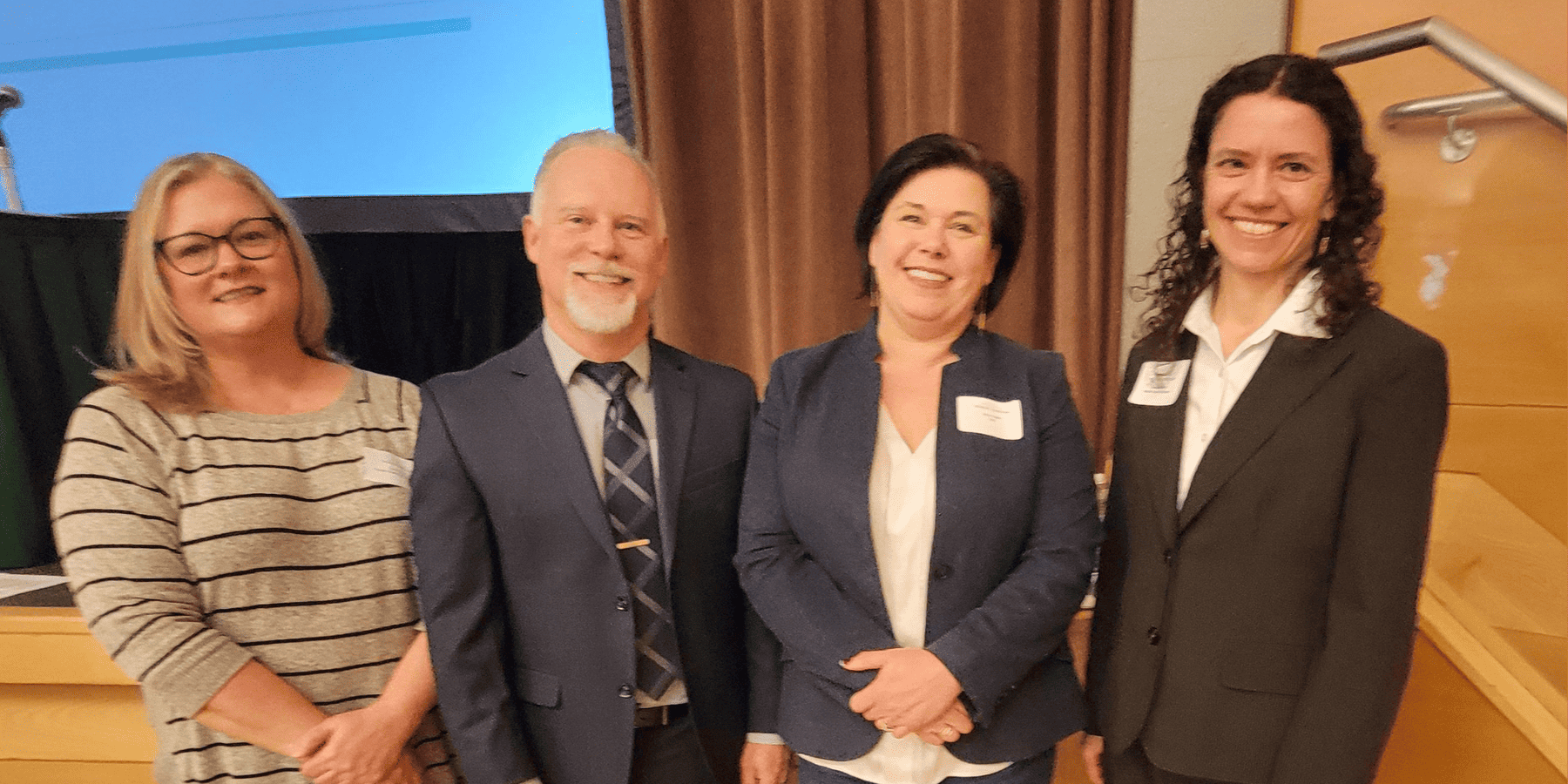
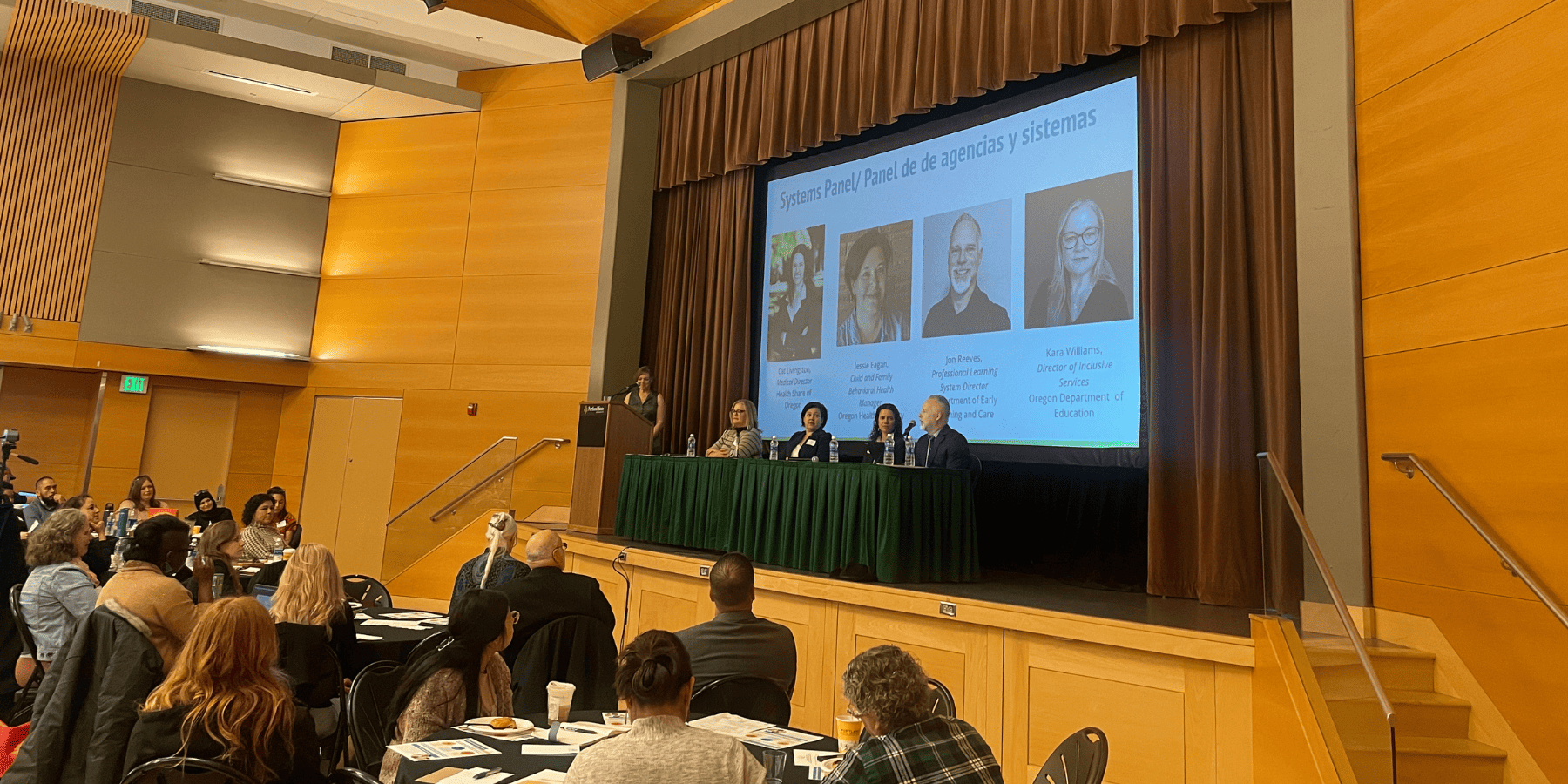
Photo of Panel 2 Speakers
Panel 2 Speakers: Cat Livingston of Health Share of Oregon, Jessie Eagan of Oregon Health Authority, Jon Reeves of Department of Early Learning and Care, and Kara Williams of Oregon Department of Education. 

 As the second panel unfolded, professionals from state agencies working to improve early childhood systems shared their ideas for greater trauma-informed care embedded throughout Oregon’s service system. Jon Reeves and Kara Williams discussed the critical need to continue work in banning suspension and expulsion for early childhood education, Williams adding that We believe every child’s nursing and development needs to be fostered by inclusive environments. We’re working with community partners to identify the children who can use extra help and improve outcomes for these children by having more special needs resources and mental health services made available through community implementation rather than mechanisms such as suspension and expulsion. 

With a focus on the health system, Eagan and Livingston talked about efforts to comprehensively address childhood health issues and improve access to behavioral health services, particularly for linguistically and culturally diverse communities. Eliminating health disparities will require continuous, meaningful evaluation of current medical and social emotional health systems and the firsthand accounts of underserved groups.

We know that a lot of folks find that the evidence-based practices that persist today weren’t developed with them in mind,” Eagan shared. “So, we’re trying to do work with folks who have lived experiences from their specific backgrounds and build programs around their needs and ideas.” 

Picture of panel 2 speakers

As the second panel closed, panelists delved into the need to expand the early childhood care workforce by offering scholarships, professional development opportunities, and equitable pay for those entering the field. Early care and education specialists are overworked and underpaid, and changing the system for kids will require significant improvements for service providers making this system possible.

As Kara Williams reminded the room, “[Early childhood educators and care providers] may be in the same boat and wanting to row in the same direction, but some of us are missing paddles, or there’s a hole in our boat. It’s one thing to create policy, it’s another to implement it well. And we need adequate funding and training opportunities to do so.”

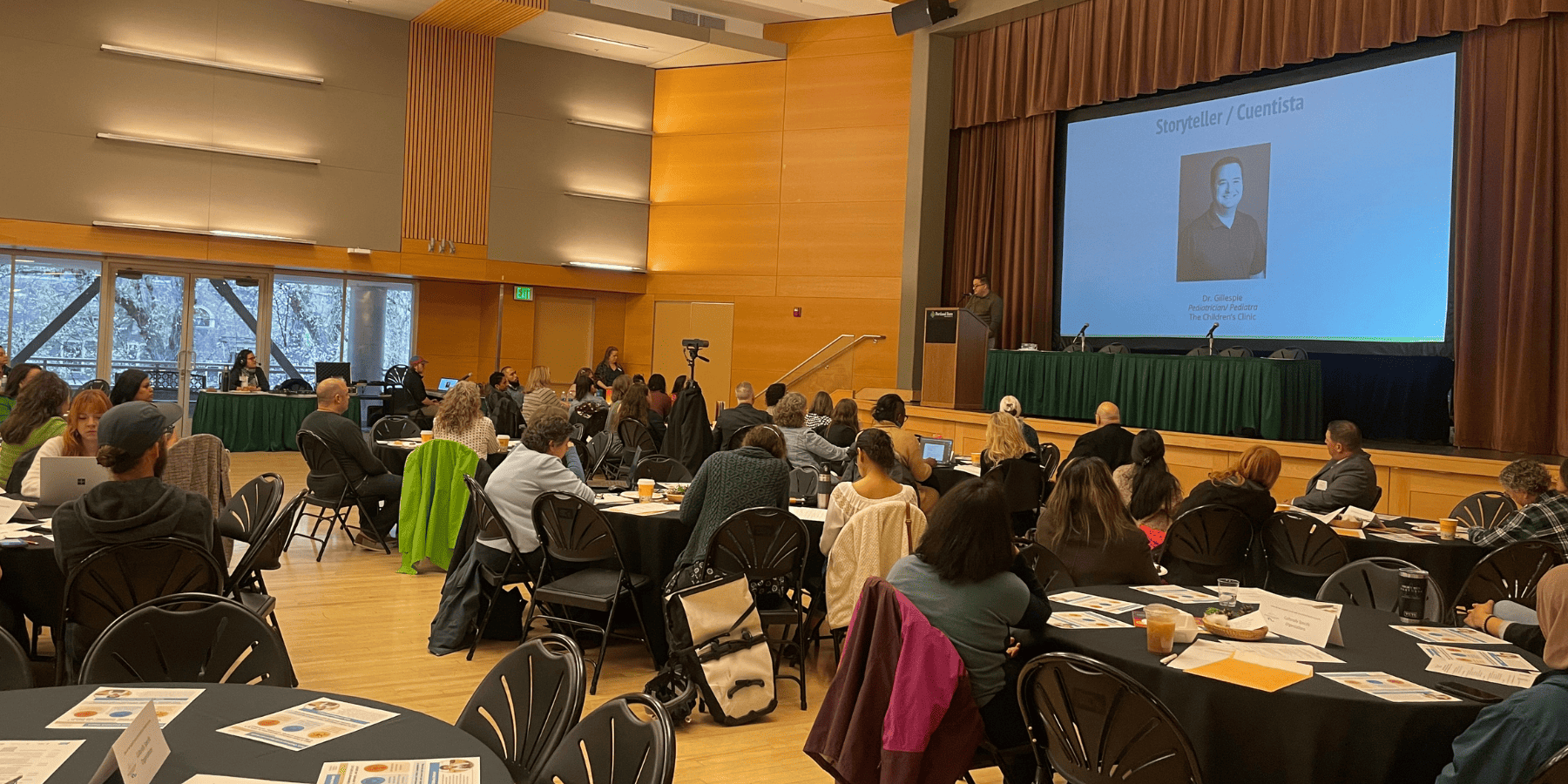
Photo of a speaker from the storytelling session

The event transitioned to a period of storytelling featuring Odilon Campos and Suzie Kuerschner, early childhood leaders specializing in trauma-informed and culturally specific care for children. Each shared accounts of children who overcame significant behavioral and systemic obstacles through collaborative care offerings and strength-based approaches. 

“When we’re trying to serve kids, sometimes it’s easy to come up with endless “What-ifs?” of potential problems that could unfold,” admitted Odilon Campos. “But often the best thing for us to do is to jump in head-first and see what the child can do and learn. Our children are strong, they’re fierce. It was our job to provide a safe space for children to try. At the end of the day, we want them to build resiliency skills and to someday become adults who are well-regulated.” 

Suzie Kuerschner shared the powerful story of Tutchone, a boy whose difficulties with self-regulation nearly led to final expulsion from his community’s early education center. But thanks to the inclusion of his wider community and practices that resonated with his family’s experiences, his family and a team of educators found a way to support Tutchone where he was and offer outlets he could access when overstimulated. As a result, his behavior adapted quickly, and school became a safe place for him to grow and thrive. 

“Mapping the positive is the reciprocity of relationships across cultures. It is our love that brings people together,” Kuerschner shared in closing.  

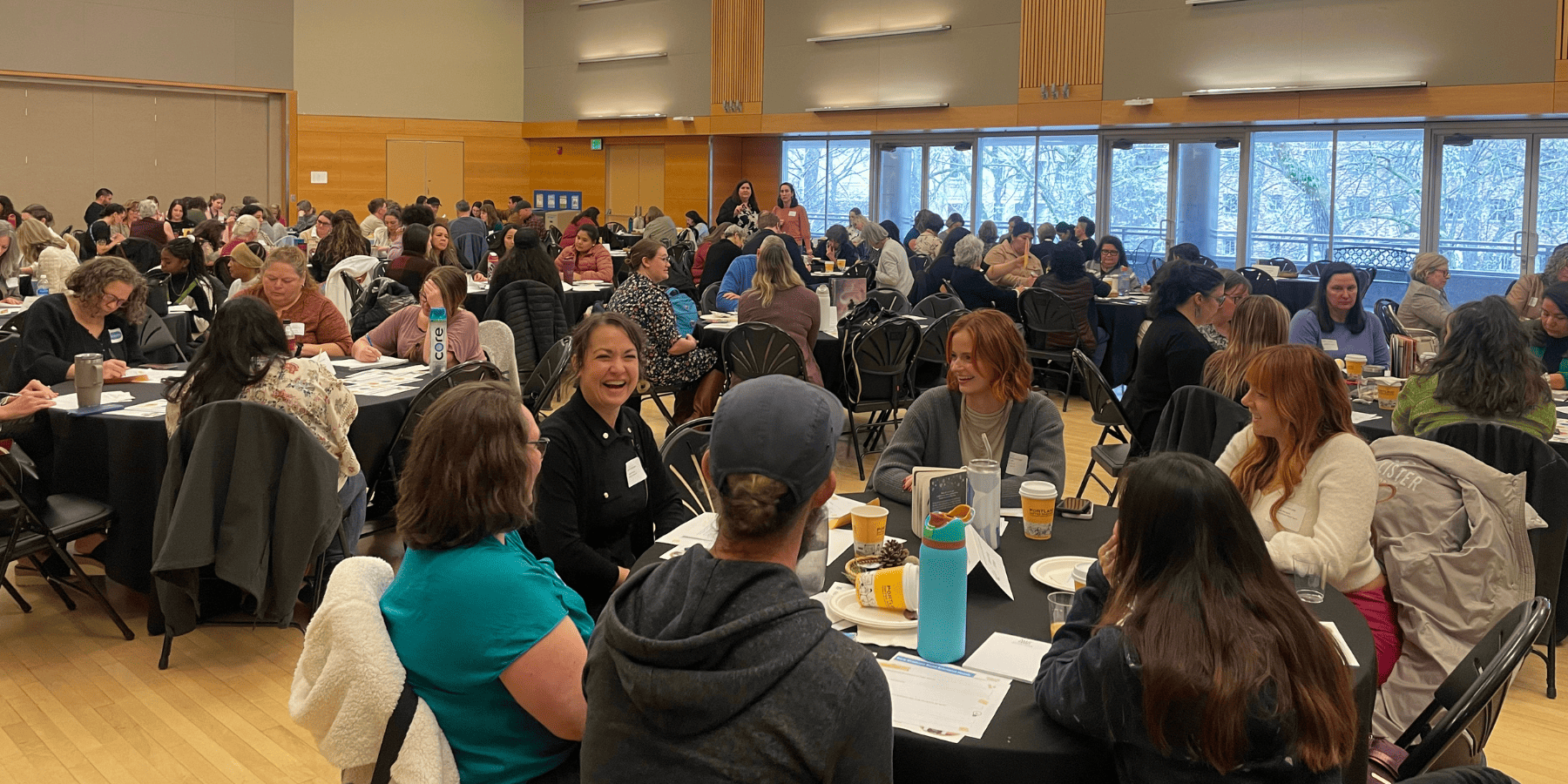
Photo of facilitated event discussion tables at the Oregon Early Childhood Summit

The final part of the event led participants to facilitated groups for reflection on many early childhood subjects, from neurodivergence and medical care to workforce development and home visiting services. The room buzzed with ideas as tables discussed changes in policy, practices to be implemented, and hopes for social and emotional development of children across the state.   

As the day closed, participants paused for a moment of gratitude, standing united for children from every corner of the room – and state.

We look forward to the next opportunity to come together, and we want to give a huge thank you to our partners at Trauma Informed Oregon for making this special day possible.  

State Partners Celebrate Early Childhood Inclusion

State Partners Celebrate Early Childhood Inclusion

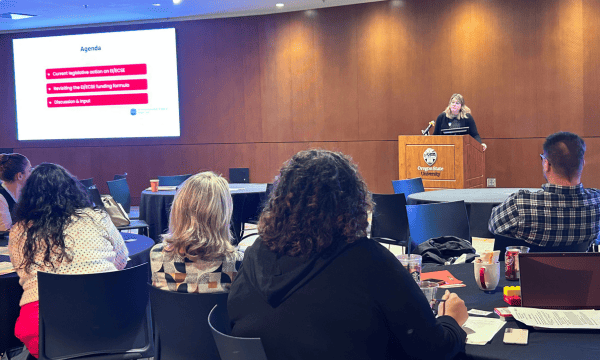
Oregon Early Childhood Inclusion (OECI) partners convened at Oregon State University for an annual celebration of statewide work to bring high‐quality, inclusive preschool policies and practices to all levels of Oregon’s early care and education system.

The OECI celebration is a culmination of decades of dedication from people engaging in early childhood inclusion work from many perspectives including at the provider level, at the community level, and in school districts and classrooms.

Families, early learning and care providers, and special education practitioners have said that supporting children aged birth-to-five experiencing disability is a core equity priority in Oregon.


To address this, multiple organizations, state agencies, family advocacy networks and policy change makers have come together as part of the Oregon Early Childhood Inclusion Initiative to develop a state team that helps to guide implementation across communities and elevate the voices of the people they serve.

“It looks at the core needs of children, families, providers and educators, and it brings us together under a comprehensive framework at every level of the system, so that we’re all working and walking in the same direction toward belonging, towards wellness, towards true access and meaningful participation,” said Meredith Villines, early childhood coherent strategies specialist at the Oregon Department of Education.

The initiative is also an important step in Oregon’s plan to eliminate suspension and expulsion practices in preschool by providing educators with tools and support, including coaching and professional learning, to support children with higher needs.

“It has been wonderful to attend this celebration and hear from teams who are using these strategies to build inclusive classrooms in their communities,” said Marina Merrill, director of research and strategy at Children’s Institute.


Merrill sits on the OECI state leadership team. She says that high-quality preschool education is powerful for young children’s learning and development, but that conversations about equitable and inclusive preschool are overdue and OECI is working to change that.

“The Oregon Early Childhood Inclusion Initiative is working to remove the barriers at all levels of the early education system to ensure that children with disabilities can access and fully experience high-quality preschool education in the same classrooms as their typically developing peers,” said Merrill. “I look forward to continuing to work with the OECI state leadership team to expand this work to more communities across Oregon.”

Video Series Highlights Importance of High-Quality Inclusion

Video Series Highlights Importance of High-Quality Inclusion

Despite ample research showing that high-quality inclusive settings support children’s learning and development, children with disabilities are still not reliably included in many preschool programs. In fact, there has been virtually no improvement in this area over the past forty years. Why aren’t we moving the needle?

Attitudes & Beliefs

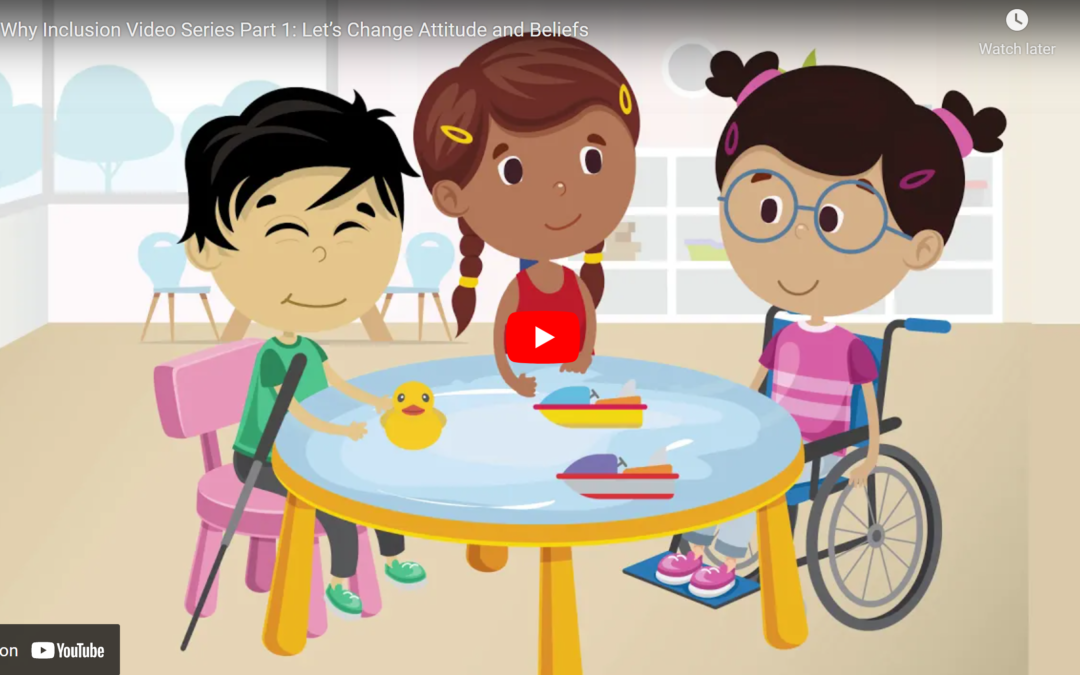
The first video in a new series from STEMIE outlines the attitudes and beliefs that will move us toward progress. These include:

  • Optimism rather than pessimism about the capabilities of individuals with disabilities
  • A belief that everyone belongs, rather than reliance on policies that permit participation only when certain behavioral expectations are met (for example, “A child must be toilet trained, must be able to walk into the classroom on their own, or must be able to communicate verbally in order to participate in a preschool program.”)
  • An understanding that while high-quality inclusion is hard work, it is beneficial to everyone

Key Characteristics of High-Quality Inclusion

The second video in the series outlines the key characteristics of a high-quality inclusive education. These characteristics — which include the use of evidence-based practices, data-based decisionmaking, transdisciplinary service delivery, consistent environmental elements, and full utilization of peer influence — add up to a high-quality inclusive learning environment only when all are present. Without any one of them, the bar is not met.

Social Outcomes of Inclusion

Children who have a friend at ages three, four, and five are on a totally different developmental path than children who do not have a friend at those ages. The final video in this series discusses the social outcomes associated with participation in high-quality inclusive early learning.

Benefits to both typically developing children and children with disabilities include improved communication, cognitive, and academic skills, as well as reductions in challenging behaviors. For children with disabilities, early friendships are linked to better high school graduation rates, the need for fewer special education services, and increased longevity. And unsurprisingly, typically developing children who participate in high-quality inclusive programs develop more accepting attitudes toward individuals with differences, leading to a lasting potential social impact in all our communities.

Parents, Educators Call for “More Time, More Hours” to Improve Early Special Education Outcomes

Parents, Educators Call for “More Time, More Hours” to Improve Early Special Education Outcomes

The transition to kindergarten is tough for a lot of kids, but for those with developmental delays and disabilities, it can be especially challenging.

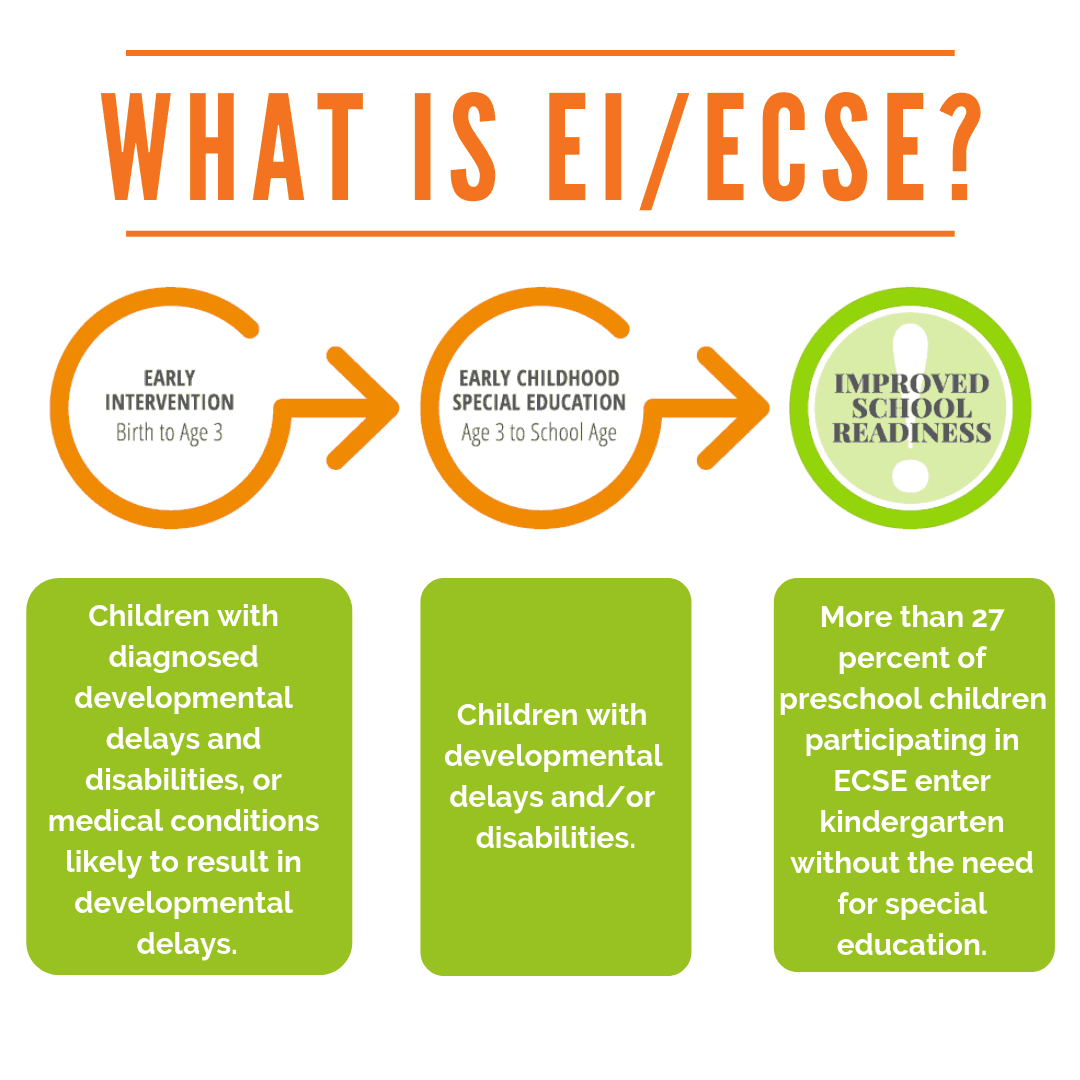
Tristan Davis, who was diagnosed with autism spectrum disorder through Early Intervention (EI) services offered by the Clackamas Educational Service District, was primarily non-verbal when he began preschool at Sunset Primary’s Early Childhood Special Education (ECSE) classroom. 

His mom Tracey described preschool-aged Tristan as a happy boy who struggled with regulation and anxiety. Looking back, Tracey says she was nervous as Tristan began preparing for the transition to kindergarten as his ECSE preschool class met for only two and half hours each day, a few days a week.

She compared that to the experience of her older son, Anthony, who attended a traditional preschool program for five hours a day, 3–4 days a week. 

 “[Tristan’s] teacher, Eric, was amazing with him, but I noticed there was not a lot of consistency with the aides who were there. They seemed to have more children than help, sometimes. There were children all across the board developmentally.”

Tracey, who later became a special education paraeducator, is frank about the reality of EI/ECSE services given current funding levels, including the impact that pay and other workforce issues have on the special education field.

“Eric does it because he loves it and he’s great at it. But he was definitely not paid what he should have been.”

When asked what might have made more of a difference for Tristan as he transitioned to kindergarten, Tracey said, “More time, more hours.”

EI/ECSE Saves Taxpayer Dollars, But Is Still Underfunded

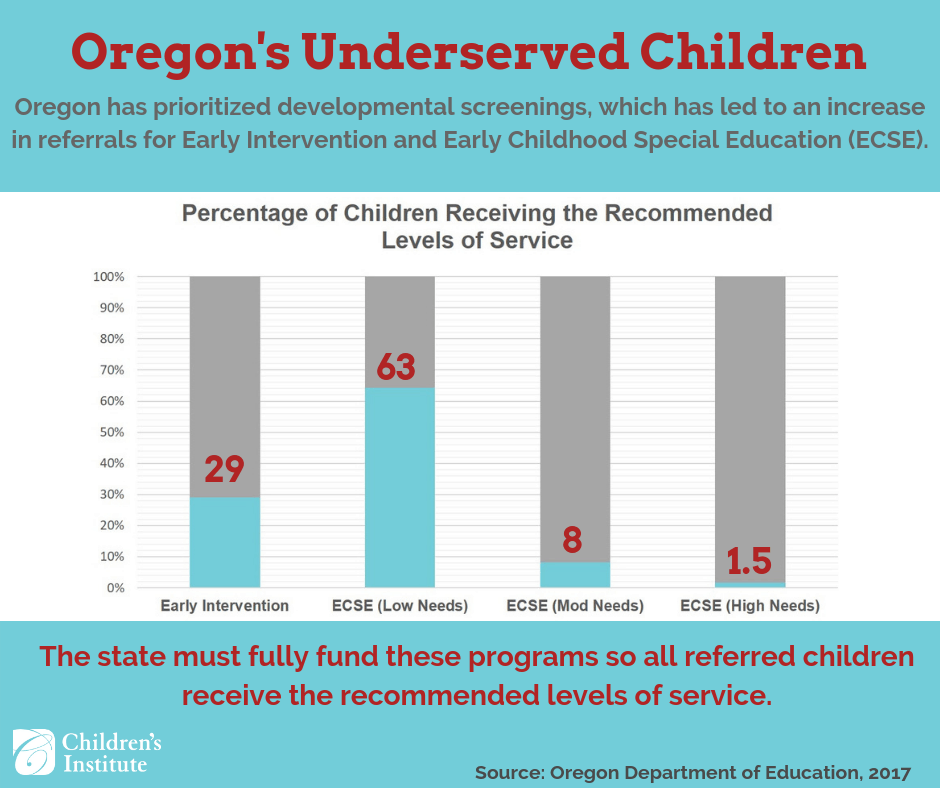
Tracey’s recollection of the stretched resources in her son’s classroom echoes reports from Children’s Institute and others that shows most children in EI/ECSE programs are not being served at recommended levels.

According to state data, only 28 percent of children enrolled in EI programming receive the recommended level of service. On average, children enrolled in ECSE with high needs only receive 8.7 hours of preschool per week, rather than the  recommended 15 hours per week. EI service levels have actually decreased by an average of 70 percent from 2004 to 2016.

The governor’s latest budget proposal devotes $45.6 million to EI/ECSE, about $30 million less than what the Early Childhood Coalition and the Alliance for Early Intervention says is needed to adequately serve children. In the 2014–15 school year, more than 21 percent of children exiting EI had caught up with their peers and did not require ECSE services, saving the state nearly $4 million annually.

Those who work in the field see the need firsthand. Carla Moody Starr, a speech language pathologist on the EI/ECSE evaluation team at the Northwest Regional Educational Service District, says EI/ECSE evaluation staff are often the first point of contact for families who may be overwhelmed, in shock, or in a state of grief if their child is significantly delayed.

We take into consideration family and child trauma, socio-economic differences, language, and cultural differences— being sensitive to parents, but also educating and advocating for their child is an art. More service is needed for kids with developmental or communication delays before kindergarten. More service is needed for family coaching and education as well. Without adequate EI/ECSE service, these children with disabilities may not develop the skills they need to be successful once they enter elementary school.”


Despite insufficient funding for EI/ECSE services, Tracey has high praise for the West Linn-Wilsonville school district’s ability to provide a wide array of resources to support her son’s learning and development.

In advance of his kindergarten school year, Tracey met with the staff at Trillium Creek Primary School to map out an Individualized Education Plan (IEP).

“Before school started, his kindergarten teacher left Tristan this long [voicemail] message saying, ‘I know you can’t talk to me, but I want you to know I’m so excited to see you.’ It meant so much to him and so much to me.

“I was so lucky with West Linn. My rent is outrageous and I’m a single mom, but I really felt there was never a question of—does he really need this? His teacher noticed he liked to jump and they got him an indoor trampoline, just in case he needed to jump it out.  They just want him to be successful. That’s the community they foster there.”

EI/ECSE Supports Broader Inclusion Efforts

West-Linn Wilsonville is considered a full-inclusion district, meaning both neurotypical children and children with special education needs are taught in the same classroom. While the Oregon Department of Education sets a state target of 73 percent of special education students being served in a general education classroom, West-Linn Wilsonville far exceeds that standard, reporting that 85.7 percent of its special education students are served in that setting.

Tristan is now a third grader at Trillium Creek Primary and Tracey reports that he’s doing well.  “He loves school and has many friends that he loves. He still has hard days and struggles with anxiety. Overall, school has been a positive experience for him. His team is always communicating with me, and I feel they are invested in his success and happiness.”

Benefits For Typically Developing Peers

Ginny Scelza is a parent of two children who attended the Multnomah Early Childhood Program (MECP), operated by the David Douglas School District. The program runs preschool classes at 11 locations across six school districts and offers an inclusive environment where children with special education needs learn alongside typically developing children.

Ginny, whose son and daughter are typically developing admits that her interest in the program was due to the affordable cost and convenient location, initially just a few minutes from her home.  MECP tuition costs $32 a month for a twice-a-week program, much less than private preschool programs in the area. Free and reduced tuition is available for qualifying families. 

“The fact that the preschool was in the same building that [my son] would be in for kindergarten was a big draw—that made so much sense.”

Ginny also valued the program’s emphasis on social emotional development.

“I saw [preschool] as a transition from the home environment to a classroom community. How do you share? How do you develop friendships? How do you work as part of a team?  Having my kids in the program helped strengthen their empathy for other people and that was more important to me than academics.”

Ginny credits the program for creating a smooth transition to kindergarten for both her children. She also notes that the benefits of such programs have a positive effect that goes beyond just those children who have disabilities and delays. 

“At age 3 or 4, [my daughter] was learning that kids who were in wheelchairs or needed extra help—they were also a part of her school community. It was normal. How does that not become part of who you are?”


Learn More and Support Increased Funding for EI/ECSE Services

EI/ECSE 2019 Fact Sheet

Oregon Must Invest More in Young Children With Disabilities: A Conversation With FACT Oregon’s Executive Director

Join us and a growing coalition of Early Childhood advocates in requesting an addition $75 million investment to increase service levels for children with disabilities and delays.