Policy Update with Dana Hepper and James Barta

Policy Update with Dana Hepper and James Barta

Dana Hepper, director of policy and advocacy at Children’s Institute, and James Barta, strategic director at Children First for Oregon, provide a timely policy update on the current legislative session. They discuss draft legislation that includes a $400 million investment in early childhood, the recent work of the Early Childhood Coalition, the power of voter voice, and more.

Visit our policy page for more information about our full policy agenda for 2019 and sign up to get involved in our advocacy efforts.

Take your voice to Salem! The next public hearing in the Joint Committee on Student Success is Thursday, April 18, 2019, from 5:00 to 7:00 pm.

The True Cost of Early Childhood Programs with John Tapogna

The True Cost of Early Childhood Programs with John Tapogna

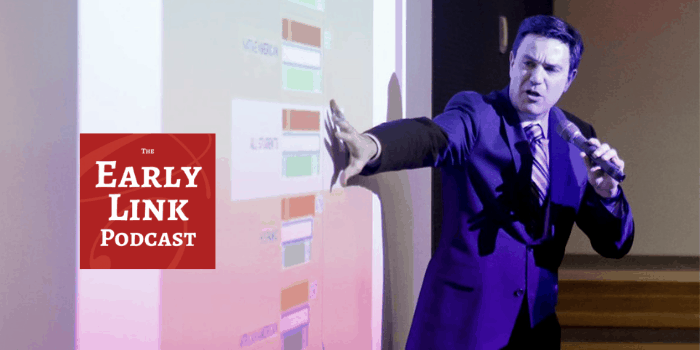
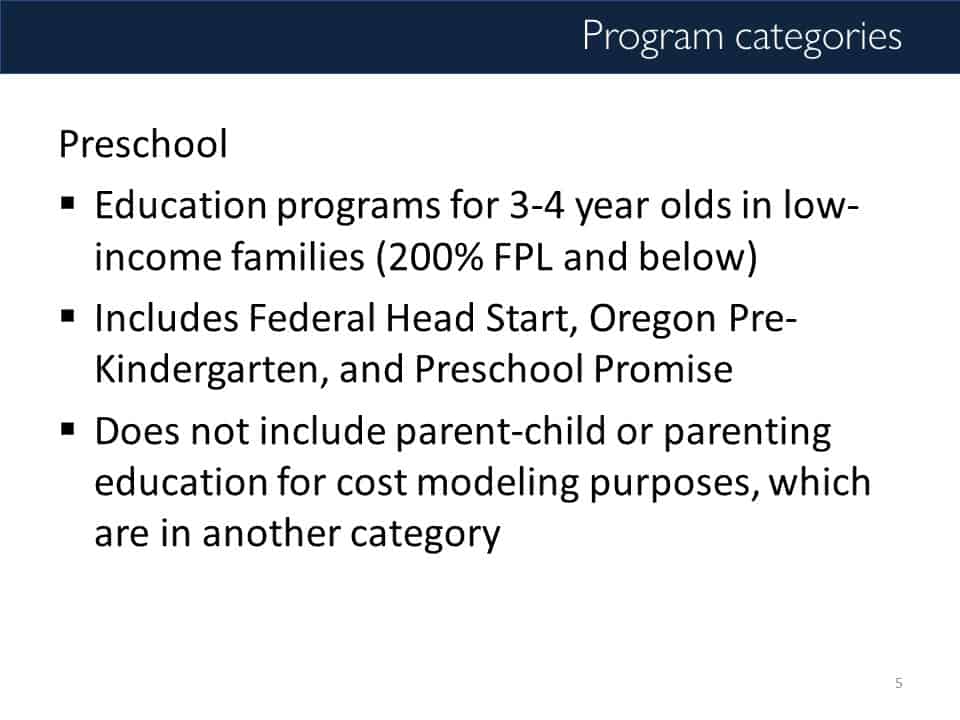
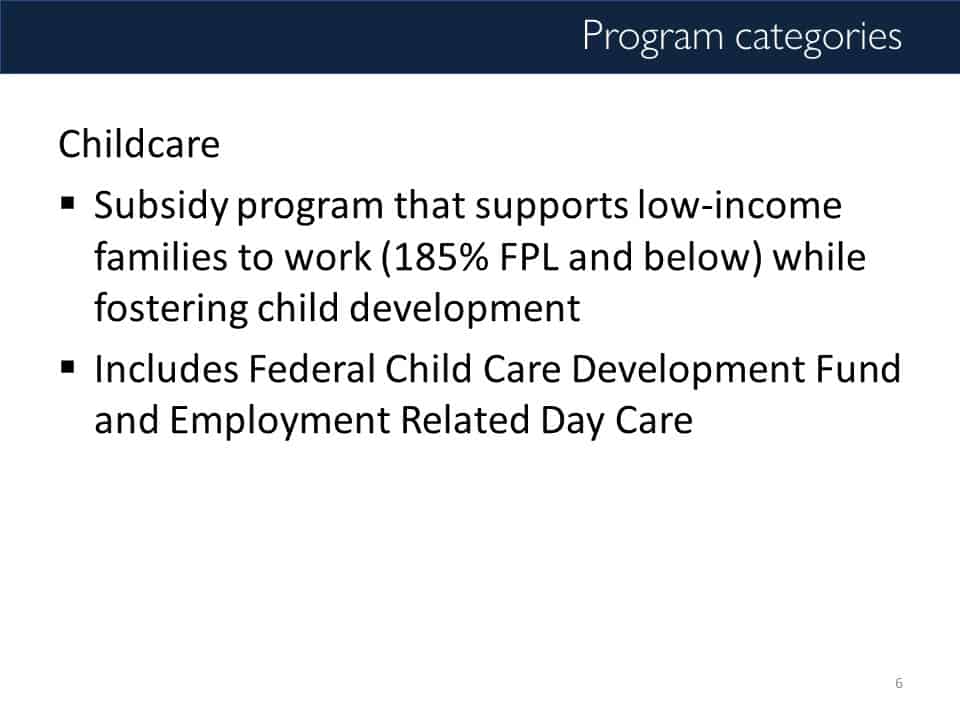
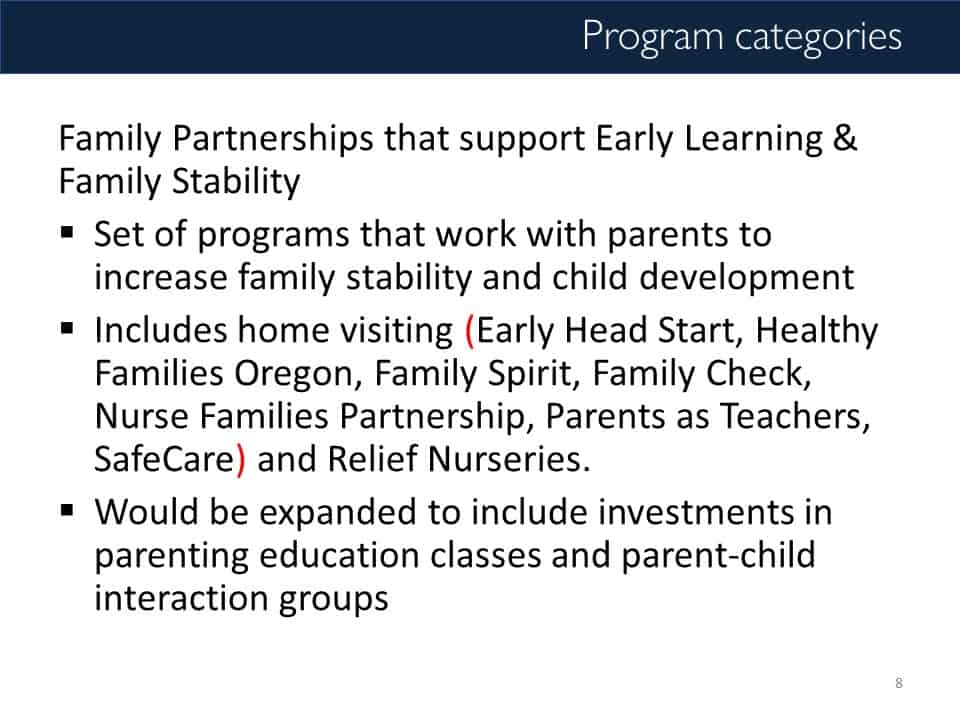
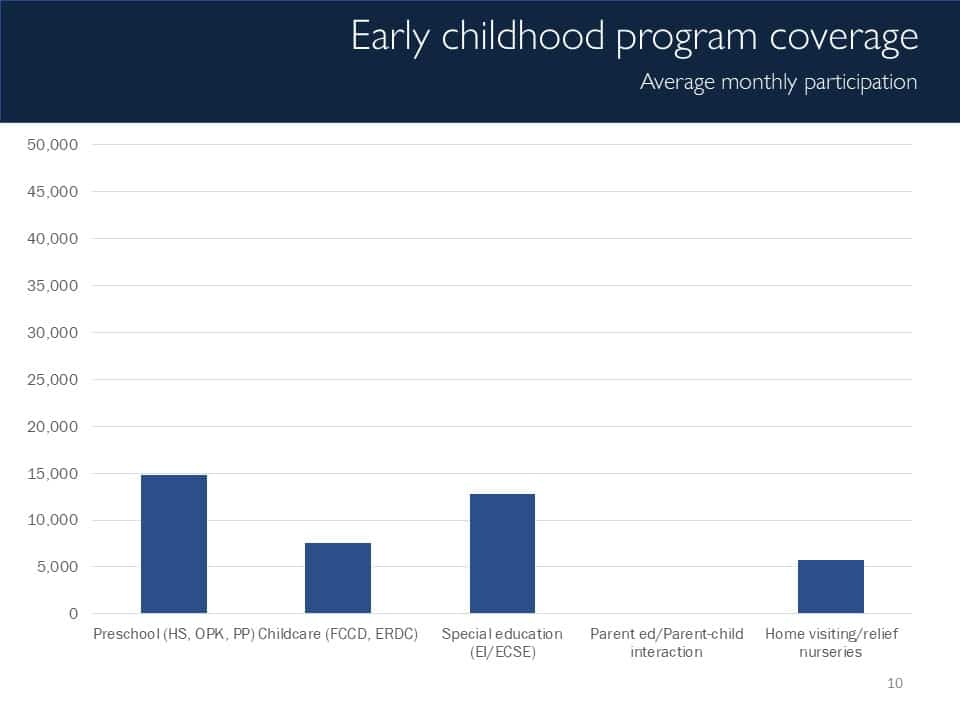
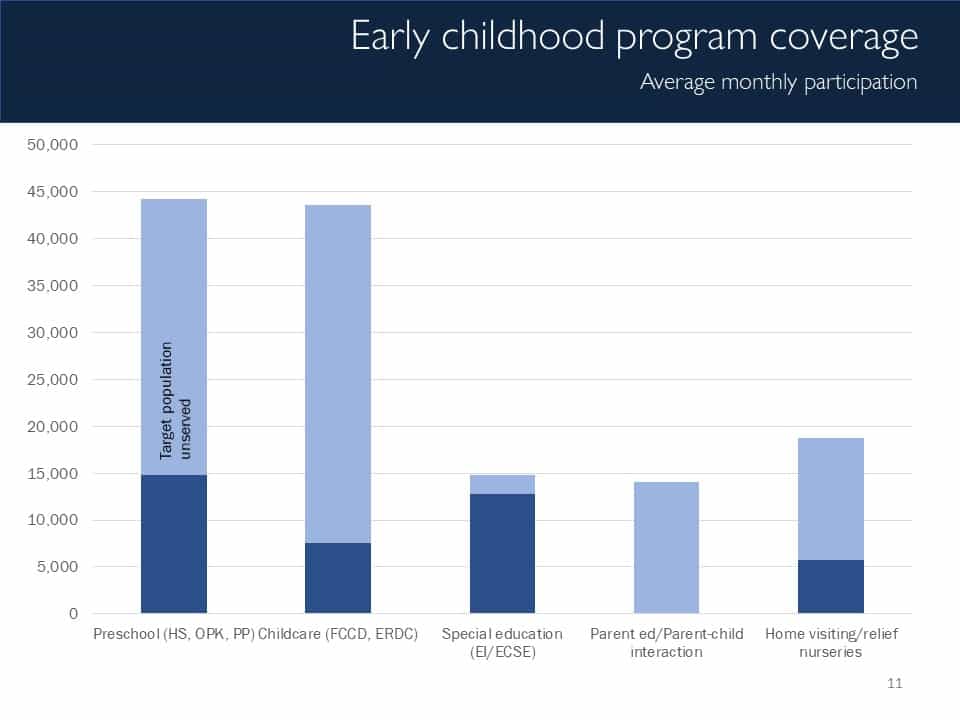
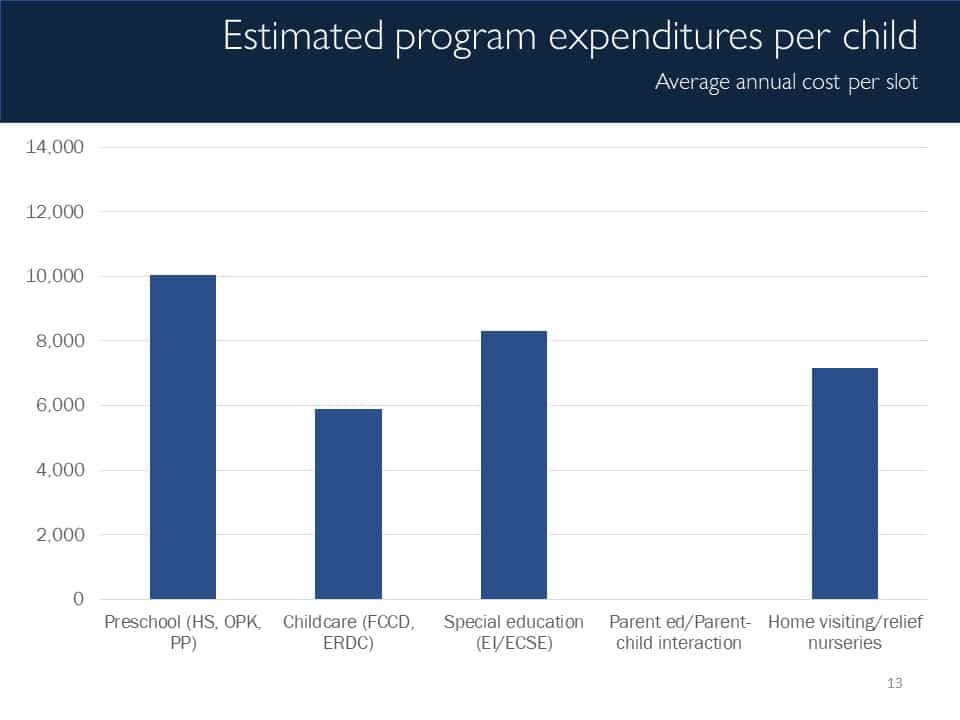
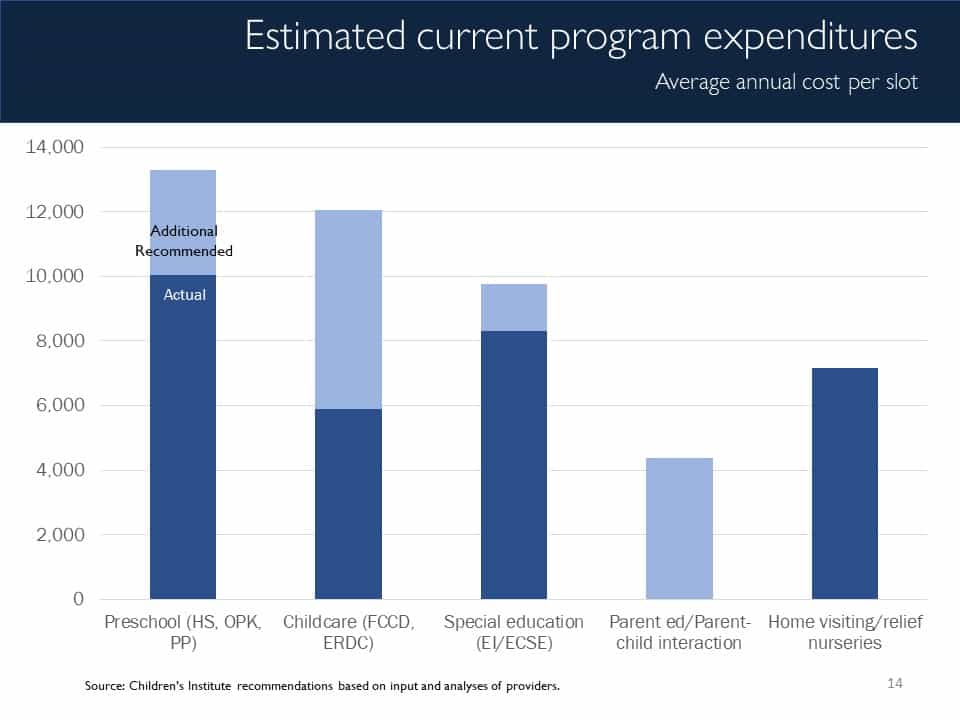
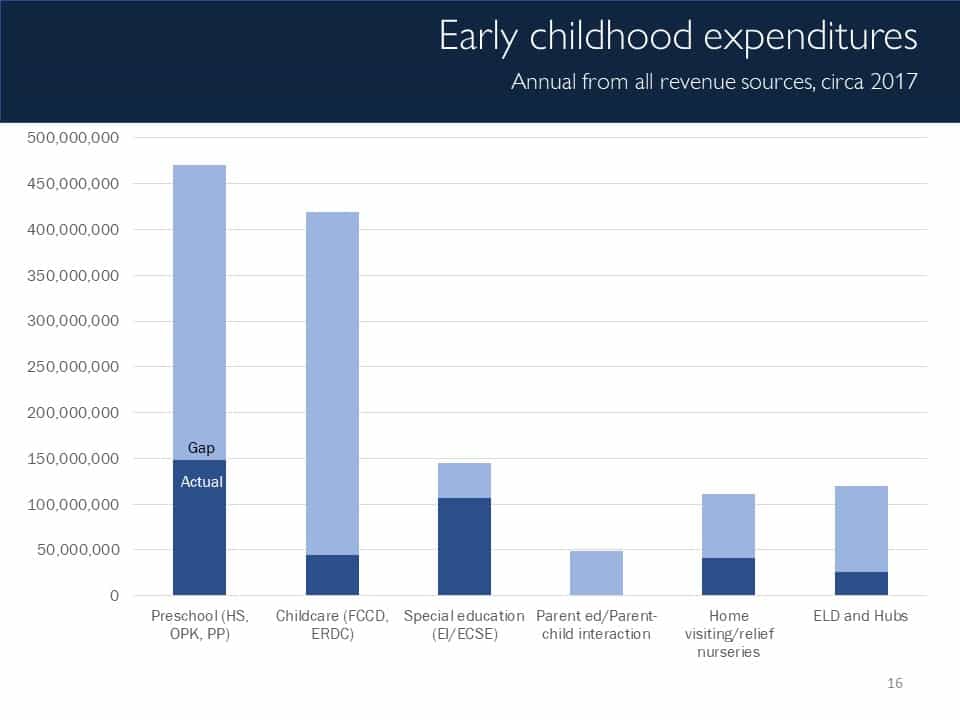
John Tapogna, president of the Portland-based economic consulting firm, ECONorthwest, recently completed a cost analysis of early childhood programs in Oregon. His work reviewed enrollment numbers, program eligibility, and cost per child spending for a suite of early childhood programs for children birth to age 5. These include publicly funded preschool, child care subsidy programs, home visiting, parent support groups, and special education services, among others. The recommended spending increases for early childhood totals about $1 billion per year. Tapogna recommends increased per child spending for almost every program as well as expanding these programs to provide rich early learning opportunities for children who are eligible. Tapogna views early childhood investments for low-income families as an imperative for the state. He also describes how funding a range of programs and services is really in service of creating a functioning early childhood system in Oregon.

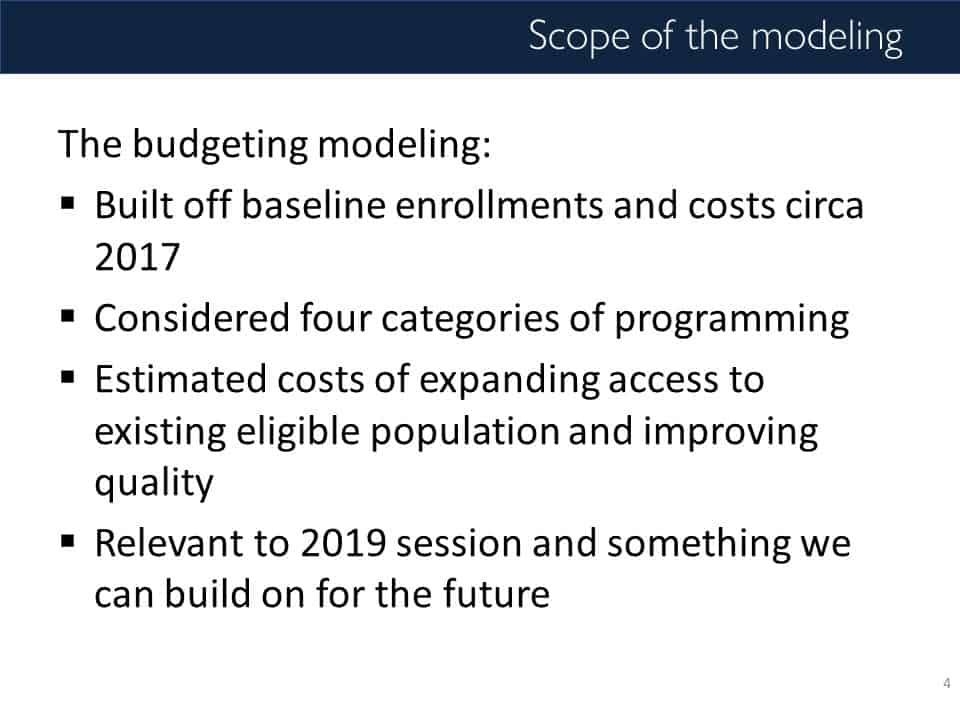
Note: This analysis represents estimated costs of expanding access to existing eligible populations and improving quality. It is based on baseline enrollments and costs circa 2017 and draws on a wide range of state and national data sources. The initial analysis was completed in the fall of 2018 with some updates made in March 2019. 

Preschool as a Political Winner

Preschool as a Political Winner

State and local leaders across the country are becoming increasingly vocal about their support for early education, and universal preschool programs in particular.

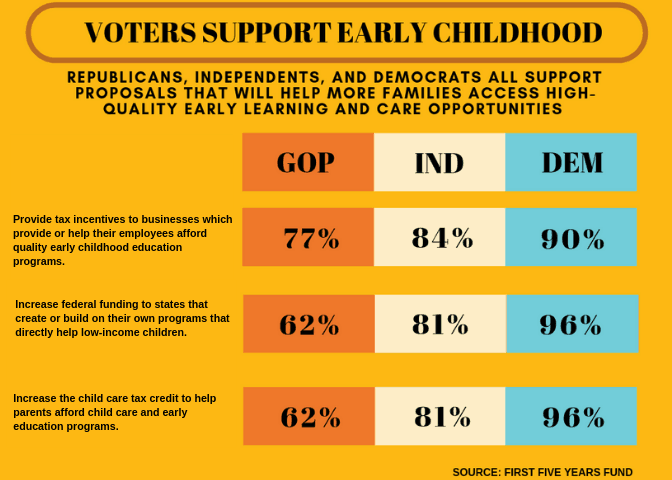
That’s likely reflective of two major factors: broad nonpartisan voter support for increased public spending to expand access to early learning programming, and mounting evidence that those investments are cost-effective and connected to long-term academic gains and positive lifetime outcomes.

 A recent study  from Duke University found that North Carolina’s “More at Four” preschool program, launched in the early 2000s, has resulted in academic improvements that have continued through middle school, reduced the costs of special education, and narrowed achievement gaps due to race, income, and parent education levels. Other notable success stories in traditionally conservative states like Oklahoma, and Alabama have political leaders of all stripes taking notice.

“Over the last five years, we’ve really seen a sea change in the level of awareness and knowledge about about the importance of early childhood,” said Dana Hepper, Policy and Advocacy Director at Children’s Institute. “Lawmakers have a great opportunity to take that understanding to the next level. Expanding access to preschool is a key part of a comprehensive strategy to improve opportunity and outcomes for kids… We know that their constituents are absolutely ready and excited to see positive changes for Oregon.” 

As initiatives like universal preschool enjoy more prominence on the political agenda, here’s a collection of stories that highlight recent successes and cautionary tales from across the country:


Julian Castro Promises ‘PreK for the U.S.A’. In Announcing Presidential Bid

Julian Castro, a Democratic nominee for president, highlighted his role in expanding preschool as mayor of San Antonio in his announcement speech. The city funded it  partly through a sales tax approved by voters in 2012.

Senators Elizabeth Warren, Kamala Harris, Kirsten Gillibrand, and Corey Booker have also included universal preschool access in their education platforms.

Click to enlarge


De Blasio Finds Biggest Win in Pre-K but Also Lasting Consequences

In New York City, Mayor Bill De Blasio finds that his push for universal preschool is a bright spot in an education reform effort that has offered a mixed bag of results so far. The city is now expanding its program to include 3-year-olds.


Seattle Times Calls On Lawmakers to Invest More In Early Learning

The Seattle Times editorial board states it plainly, “One of the best investments the state can make in the economy and its citizens is money spent to educate Washington’s preschoolers. The Legislature should make funding high-quality early learning a top priority in this and every legislative session.” Governor Jay Inslee has proposed increasing access to preschool by 4,446 children in the next biennium, as part of a $174 million package of investments into early learning.


In Ohio, Republican Mike DeWine Backs Early Childhood, Wins Governor’s Race

Preschool’s bipartisan appeal was evident in Ohio as Republican Mike DeWine won the governorship with a platform that included lowering income eligibility levels for publicly-funded programming and improving program quality, with a goal of reaching 20,000 more children.


What California Can Learn from Universal Preschool in Other States

Advice to California on how to successfully implement universal preschool programming could just as easily serve as a roadmap for Oregonians seeking guidance on where other states and communities have succeeded and stumbled. 

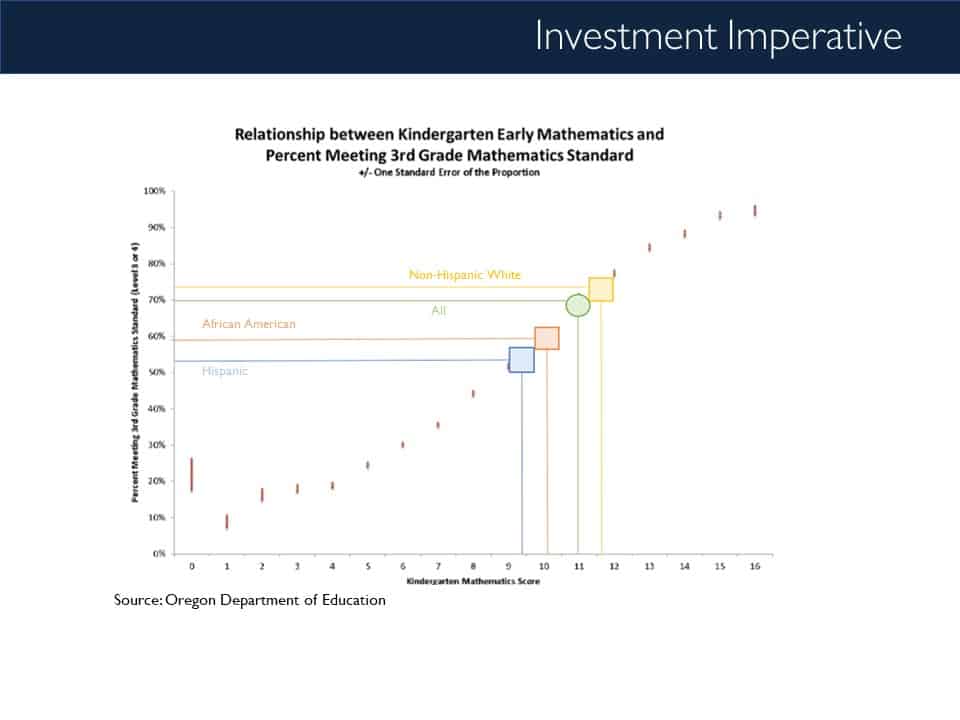
Early childhood advocates hope that the positive momentum and attention on universal preschool will help drive continued investments toward supporting a child’s earliest years.  By the time children start kindergarten, gaps in literacy, math, and social emotional skills are already evident based on family income and racial background.  


Resources

Learn more about our legislative recommendations and add your voice to advocate for early childhood.

Read our Policy Brief about Oregon’s Preschool Promise program,  a high-quality, mixed-delivery approach that expands access to preschool for low income families. 

Swati Adarkar Interviewed by KOIN6 News

Swati Adarkar Interviewed by KOIN6 News

Swati Adarkar was interviewed by KOIN6 news yesterday about Governor Brown’s budget proposals for the 2019 legislative session.

The full story is available on the KOIN6 website.

Featured Comments

Another part of the proposal, which would address kindergarten readiness, was applauded by Children’s Institute president Swati Adarkar. Between the recommended budget and the additional investment, Brown said she would want to spend $285 million expanding access to preschool for 10,000 low-income children.

“We know if kids are coming to kindergarten behind, that we’re not closing those gaps. There’s an urgency about reaching those kids now, but we know we can’t get there in one legislative session,” Adarkar said, explaining that there are 30,000 children in the state who are not currently enrolled in and could benefit from high-quality preschool.

Additional Context

Governor Brown released her budget on Wednesday that focuses on “repairing and reforming” Oregon’s education system. It includes $2 billion in new investments needed to support early childhood through higher education but is not tied to specific revenue. Our key 0–5 early childhood priorities are included in this new investment package. It includes increased investments in both state preschool programs, Oregon Pre-kindergarten and Preschool Promise, in addition to other critical services such as Early Intervention/Early Childhood Special Education, the Early Childhood Equity Fund, and workforce supports.

Read the governor’s proposed budget and early childhood investment package.

We are excited for potential new investments, but the need is urgent. The health, safety, and education of our youngest children cannot wait.

We know high-quality early care and education programs and services keep kids healthy and safe and encourage their natural love of learning. Young children in Oregon who face the biggest systemic barriers to opportunity—children from low-income families, children of color, dual language learners, disabled children, and those living in rural areas—overwhelmingly don’t have access to these proven programs and services.

Q&A: A Preschool Teacher in Astoria, in Her Own Words

Q&A: A Preschool Teacher in Astoria, in Her Own Words

This summer Children’s Institute is highlighting the important work of early childhood educators teaching preschool through third grade. In this series of profiles, teachers from across the state tell us why they teach young children, what they wish people knew about their work, and what they’ve learned in their jobs.
preschool teacher in Astoria-1

“I am amazed at the gifts and talents children have innately. As I strive to understand and bring out these gifts, I find joy in teaching children and watching their growth develop in all areas.”

Michelle Gardner Shares Her Passion for Early Childhood Development

Michelle Gardner teaches preschool at Clatsop Kinder Ready Kids in Astoria. Launched four years ago, the district-run program has demonstrated success in preparing children for kindergarten. Here Michelle shares with us her passion for teaching preschoolers who are learning during every moment of their days.

Why do you teach preschool? 

I teach preschool because children and their learning are my passion! I want to be at the beginning level of a child’s learning in order to provide a positive, solid, whole child learning experience for their future school careers and life. I also want to collaborate with parents and families in providing the best opportunities for children.

What is one thing about your job you wish people knew? 

I have loved learning about children and their development for many years—it’s in my blood! I have worked in university preschools and their early childhood education department, earned a double Bachelor of Science in early childhood and elementary education, received a master’s degree in early childhood studies, developed a home preschool, taught kindergarten, first grade, third grade, and fourth grade. I’m now back to my roots and first love: teaching preschool. I love to learn and am still learning more!

preschool teacher in Astoria-2

Can you describe a learning experience you’ve had that has impacted your teaching? 

I am amazed at the gifts and talents children have innately. As I strive to understand and bring out these gifts, I find joy in teaching children and watching their growth develop in all areas. I love how learning in preschool is interwoven throughout the entire day: from riding the bus, to greeting first thing, then breakfast, free choice, literacy and math, lunch, outdoor time, quiet time, and closing. There is always something to learn! If I allow the child to be the center of that learning, teaching children is a joyful experience for all involved!

Preschool teacher in Astoria-3
preschool teacher in Astoria-4