Oregon School’s Learning Labs Showcase the Power of Early Learning

Oregon School’s Learning Labs Showcase the Power of Early Learning

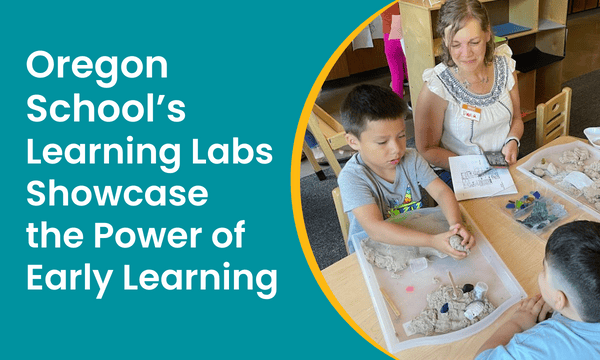
The Beaverton School District is blazing a trail in early education through bilingual learning labs, which emphasize playful inquiry and habits of mind.

School officials said the Early School Success initiative is designed to showcase the power of early learning and help make the case for expanded public investment in preschool.

Monique Singleton, principal at Vose Elementary in Beaverton, said the program helps children, many from immigrant families, successfully adjust to their new surroundings.

“I think the important part about the inquiry work that we’re doing with Children’s Institute, and I’ve talked about this with other principals and teachers, is that I think it’s really important just to be exploring and listening to your community and be able to explore it,” Singleton explained.

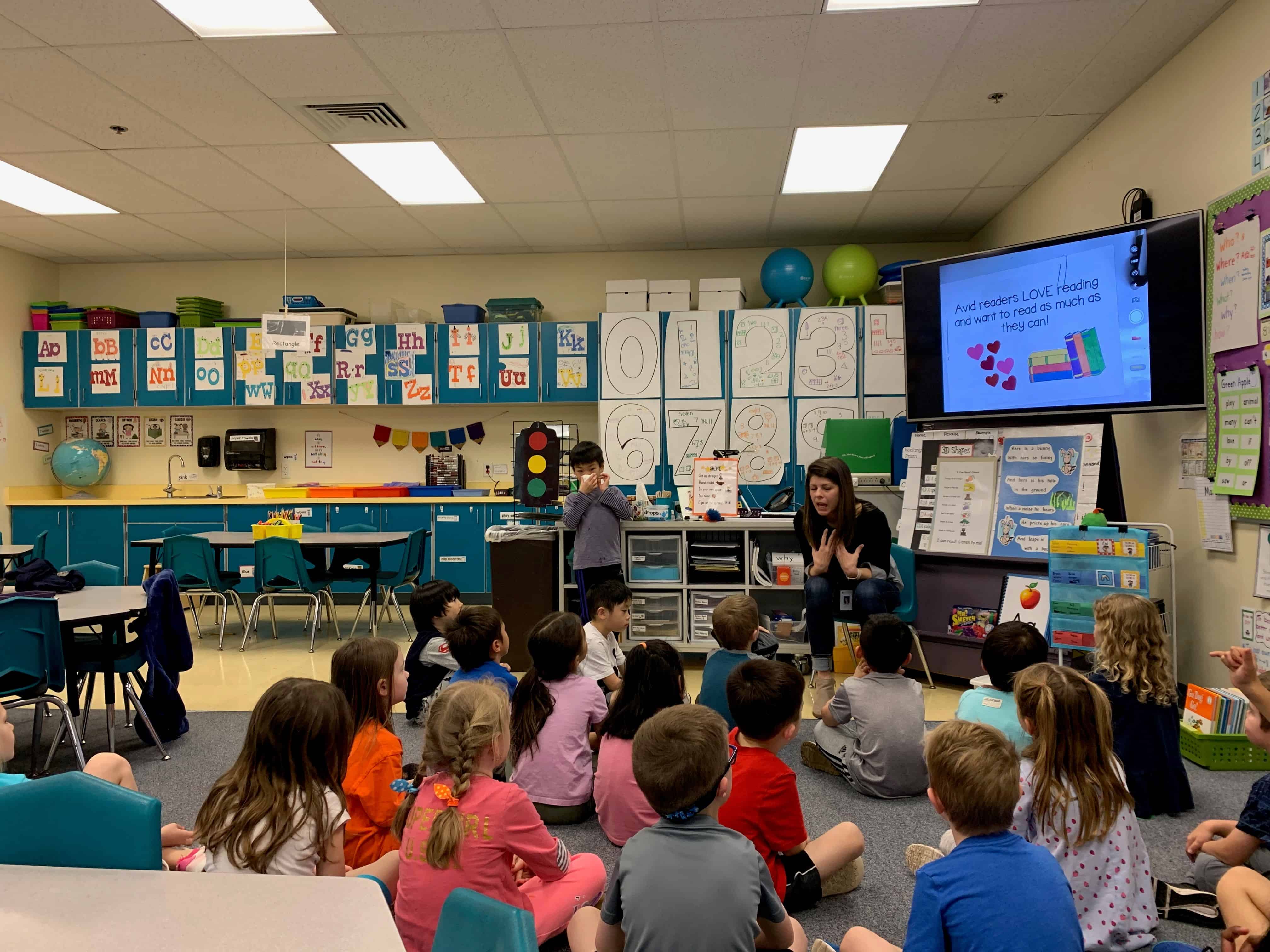
Vose Elementary hosted a learning lab earlier this week, showing participants in the district the transformative work the school is doing to improve outcomes for students and the community. The goals for the event were to hold space to nurture cross-district relationships and collaboration.

Singleton noted the emphasis is on teaching children life skills to help them cope with complex emotions and situations they either face at school, at home or both.

“The goal is to help them feel honored with a sense of belonging and a sense of safety around our emotions and a sense of identity,” Singleton pointed out. “So they don’t feel like they have to shut down a part of themselves in order to be successful at school.”

Vose’s faculty and staff are hands-on leaders who model empathy, learn alongside their staff, and consistently message the need for playful inquiry as an equity stance, Singleton added. They aim to provide children at Vose the same kind of learning experiences one might expect at an elite private school.


Disclosure: Children’s Institute contributes to Public News Service’s fund for reporting on Children’s Issues, Early Childhood Education, Education, and Health Issues.

This article was written by Mark Richardson and originally shared through Public News Service on May 16, 2024. The link can be found here.
Early School Success Leadership Camp 2023

Early School Success Leadership Camp 2023

Temps soared above 100 degrees on August 14 as school teams from four Early School Success (ESS) districts spent the day exploring change ideas and making plans for the new school year.

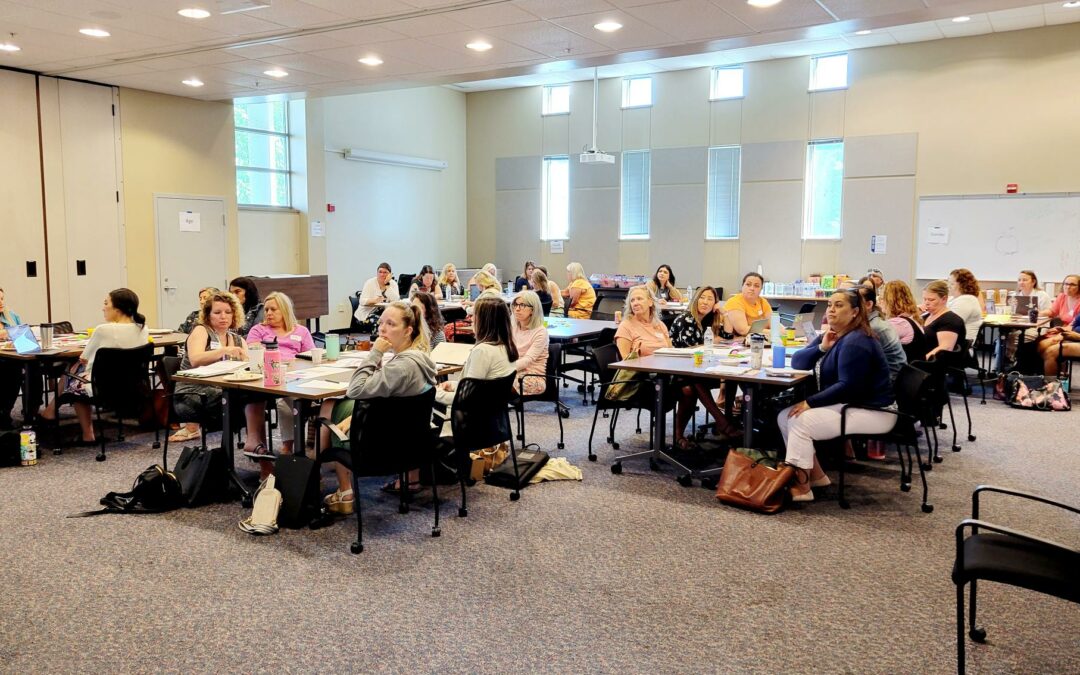
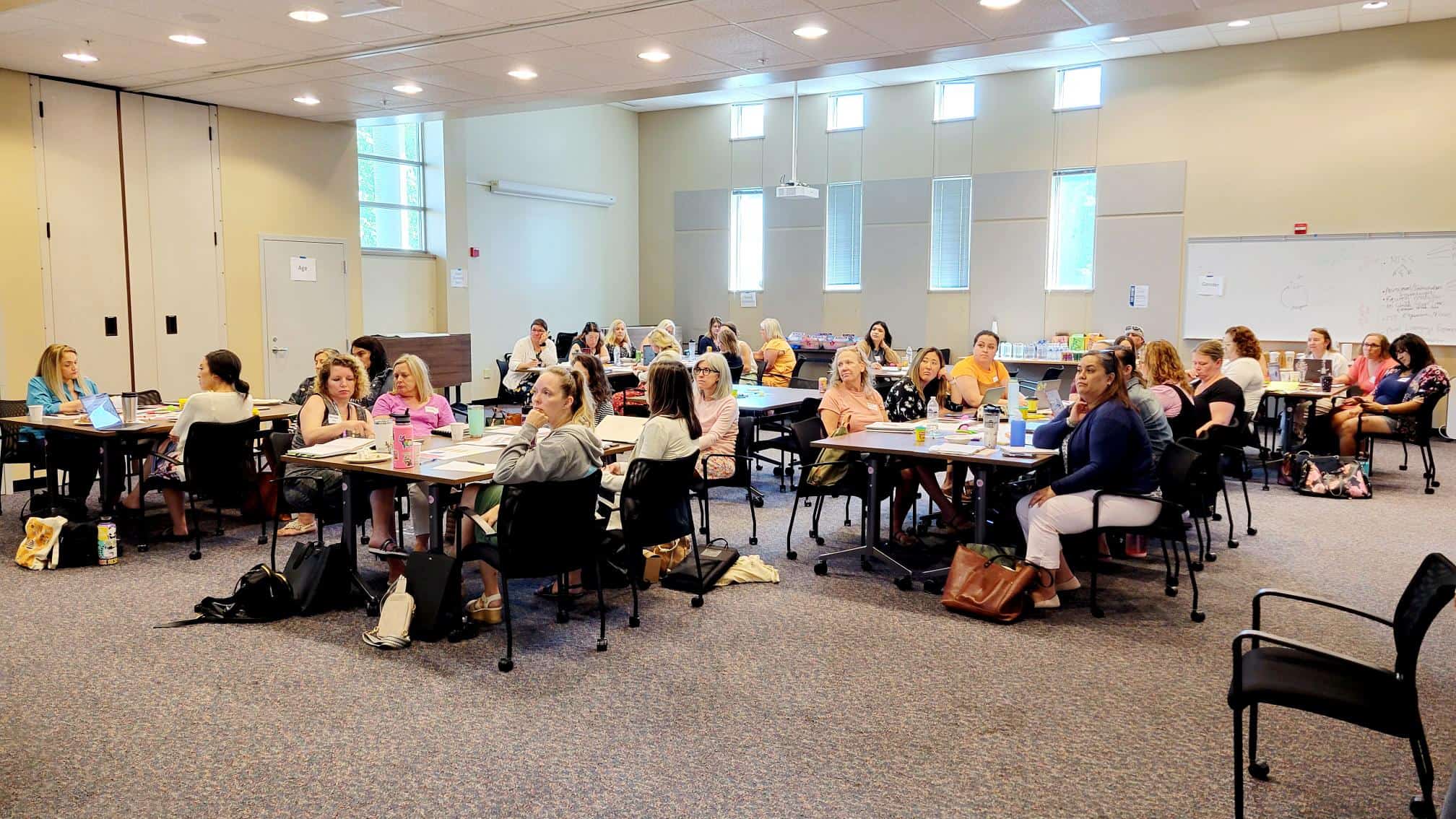
At the Northwest Regional Education Service District in Hillsboro, more than 30 educators gathered for the Early School Success (ESS) Summer Leadership Camp. The camp, the first of its kind offered by Children’s Institute, created a space to learn about the nuts and bolts of creating change at the school and district levels.

School teams from Beaverton, St. Helens, Forest Grove, and Lincoln County school districts attended the leadership camp and participate continually in ESS.

Erin Lolich, who will oversee ESS starting September 1 as the director of school-based initiatives, said she wants school teams and principals to start the year with a strong understanding of improvement science and aligning preschool and elementary school systems.

“We want the best of what preschool and elementary school have to offer, and we want those learning experiences to be aligned,” she said. “To do that, we need to bring people together to explore what that looks like, practice decision making, and explore change ideas for their school community.”

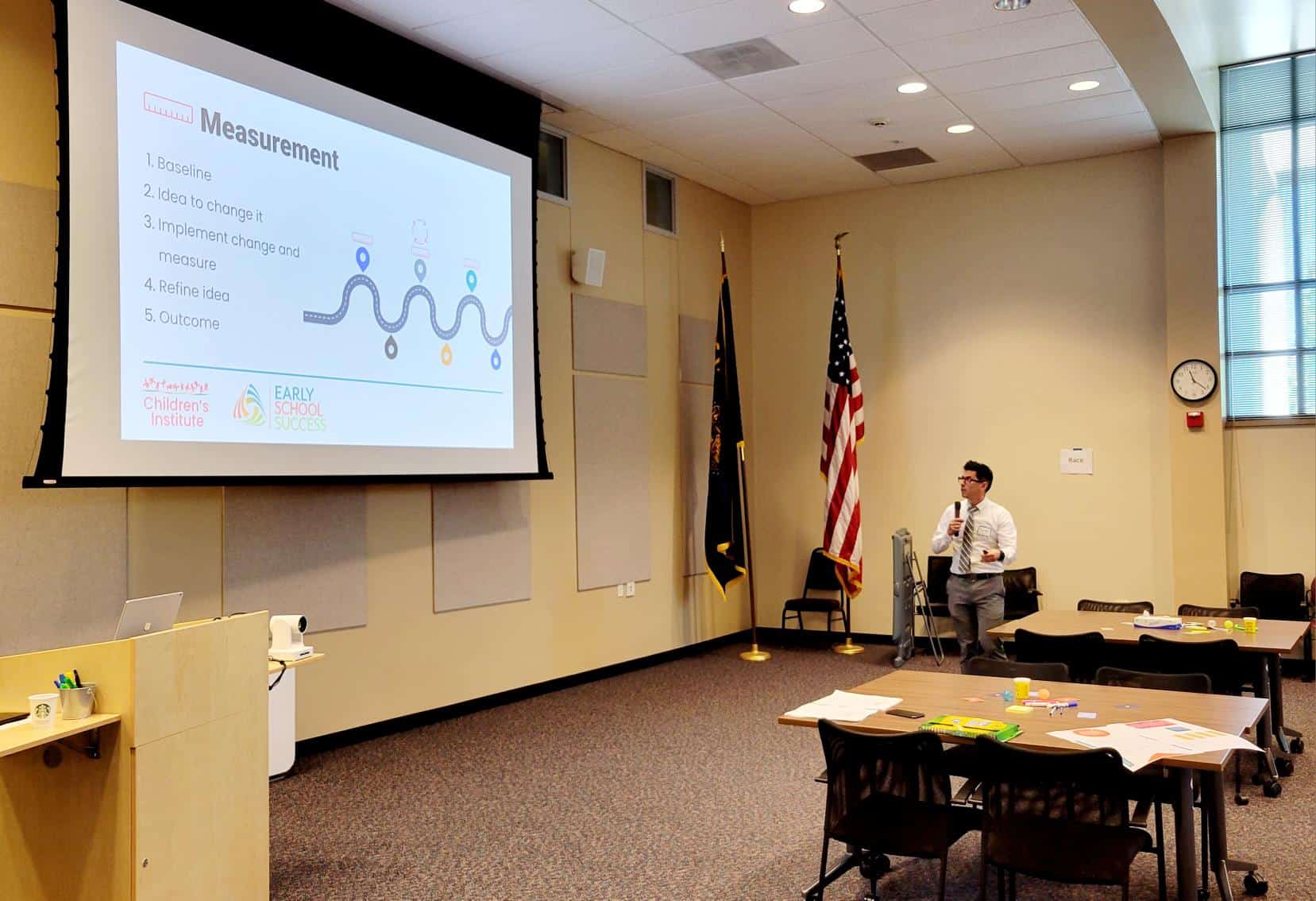
“Improvement science is like a journey, it’s a framework we use to help change systems,” said Daniel Ramirez, senior improvement advisor for Community Design Partners, a long time CI partner for Early School Success. “It’s not necessarily a linear process. It can be very cyclical, but it keeps teams moving forward.”

This image shows Daniel Ramirez giving a presentation at ESS Leadership Camp.
The improvement process starts by defining problems. School teams explore how the existing system creates those problems, and then work to identify changes that will solve them. From there, changes need to be tested and evaluated for effectiveness. Once something is working, it needs to spread to other classrooms or schools.

The process sounds simple but takes time and intentionality.

Ramirez reminded educators that it’s possible to improve systems. “They can be redesigned,” he said. “But let’s remember that all change is not an improvement.”

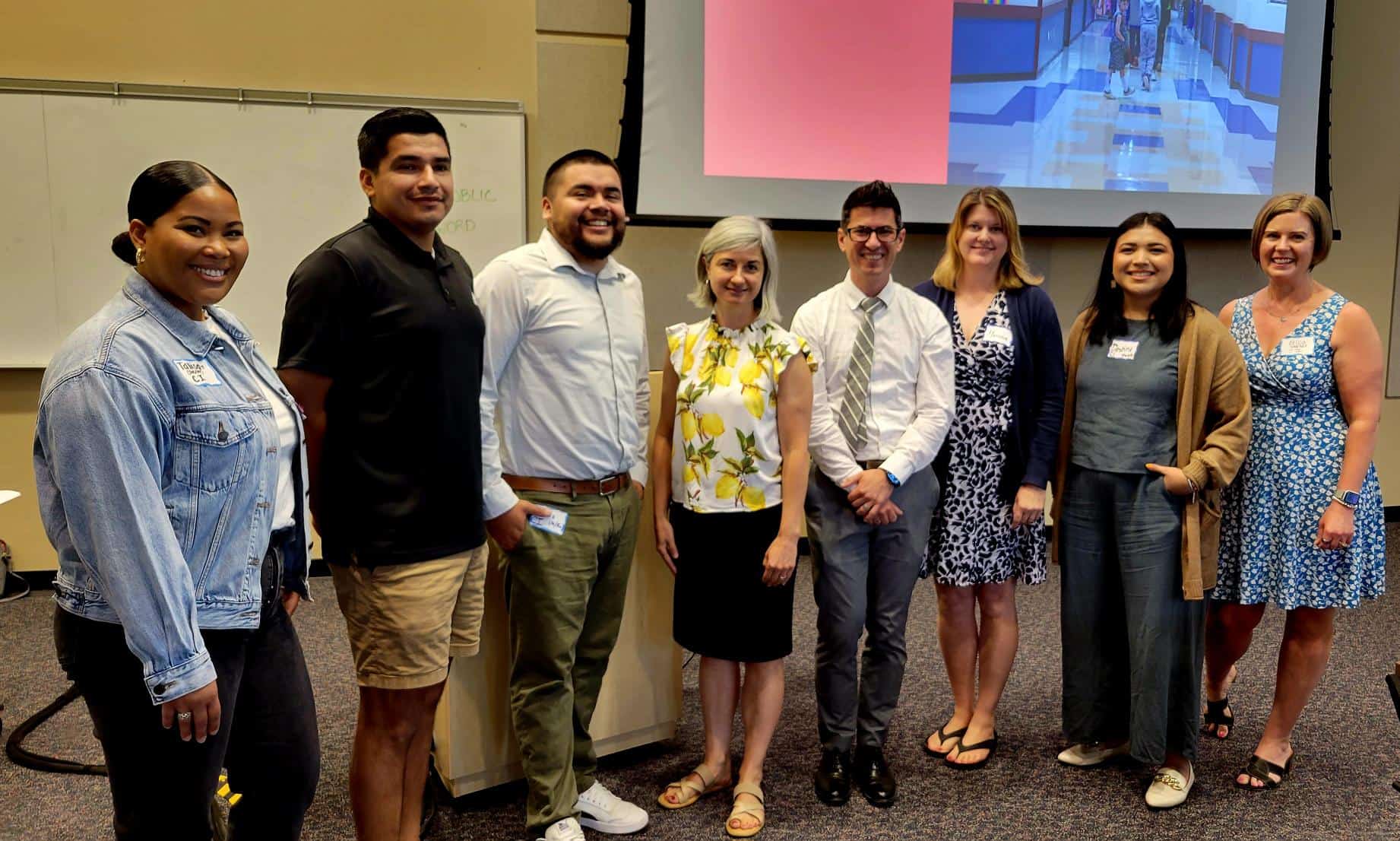
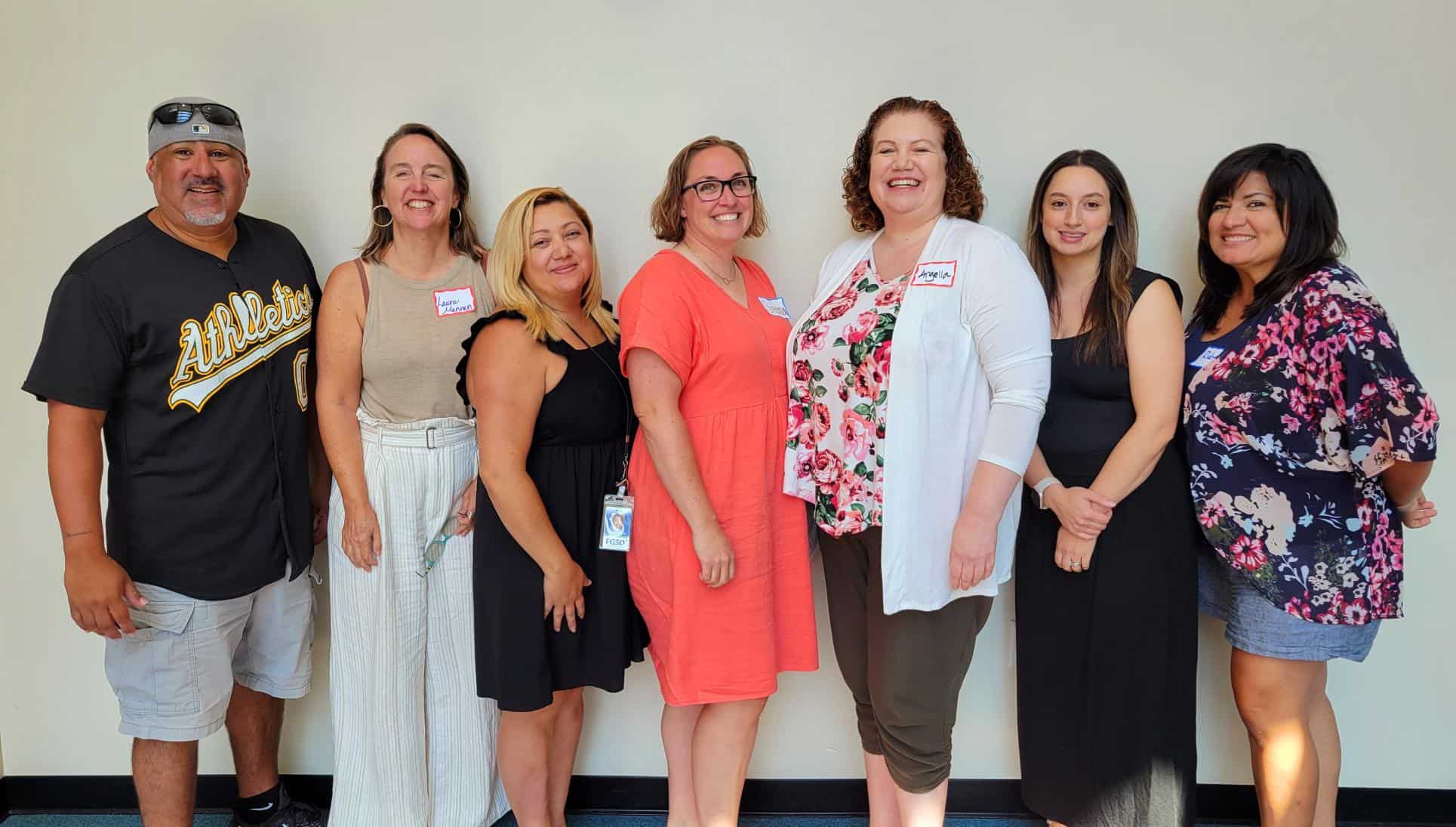
This image shows a smiling group of CI Staff members standing in a line.
For a student, improvement and alignment can look like making sure the transition from kindergarten to first grade is smooth. “In a school with a new principal and for a student with a new teacher, it’s important we consider how students experience change,” Lolich said. “They need to know what they can count on when they come to school.”

District teams talked about bright spots and what they were looking forward to this fall.

In Beaverton, Superintendent Gus Balderas has committed to continued preschool expansion throughout the district. In Lincoln County, school leaders are working to locate area preschools inside school buildings.

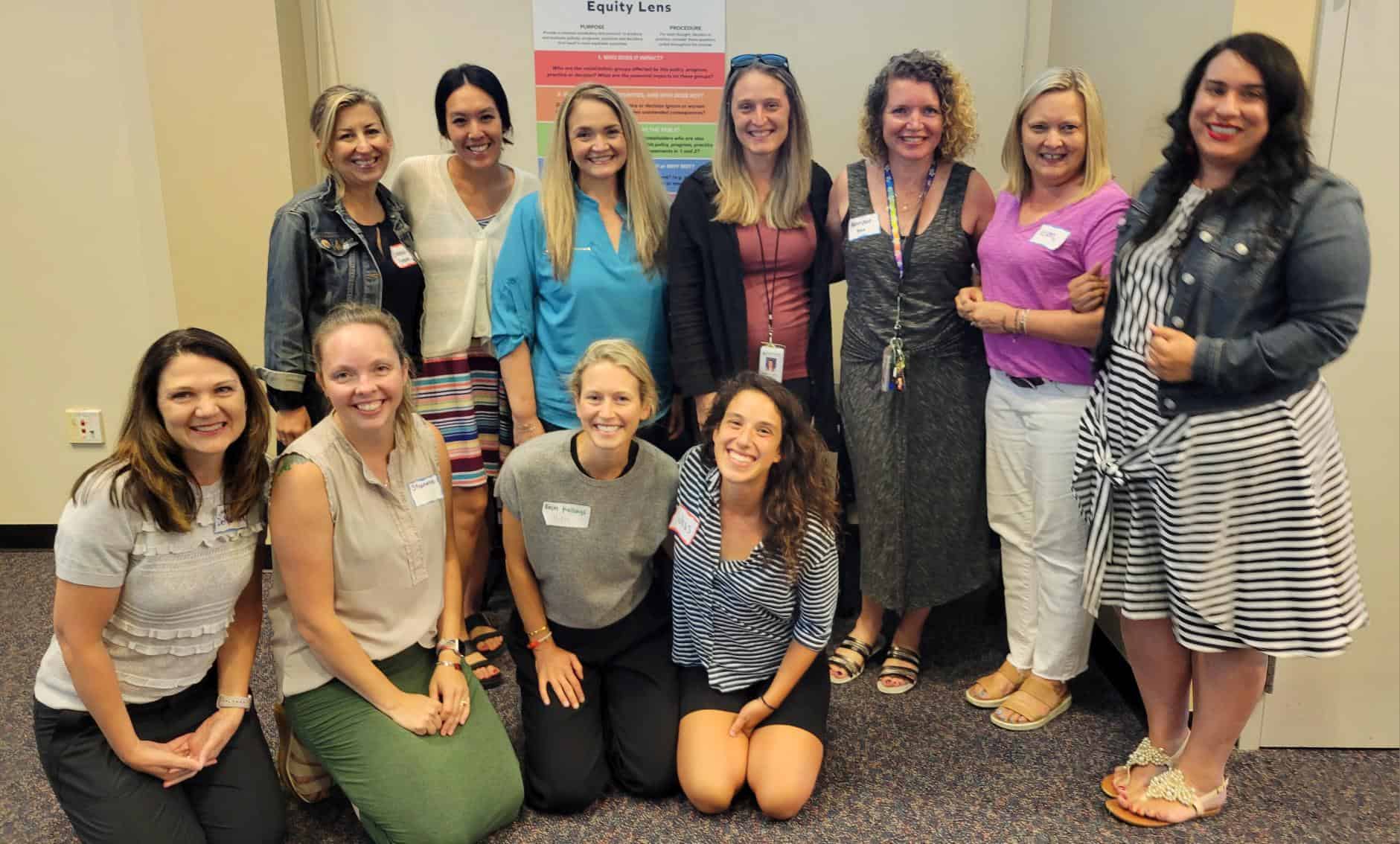
This image shows a group of ESS participants from Beaverton School District.
The St. Helens team has gotten started on aligning curriculum from preschool through fifth grade.
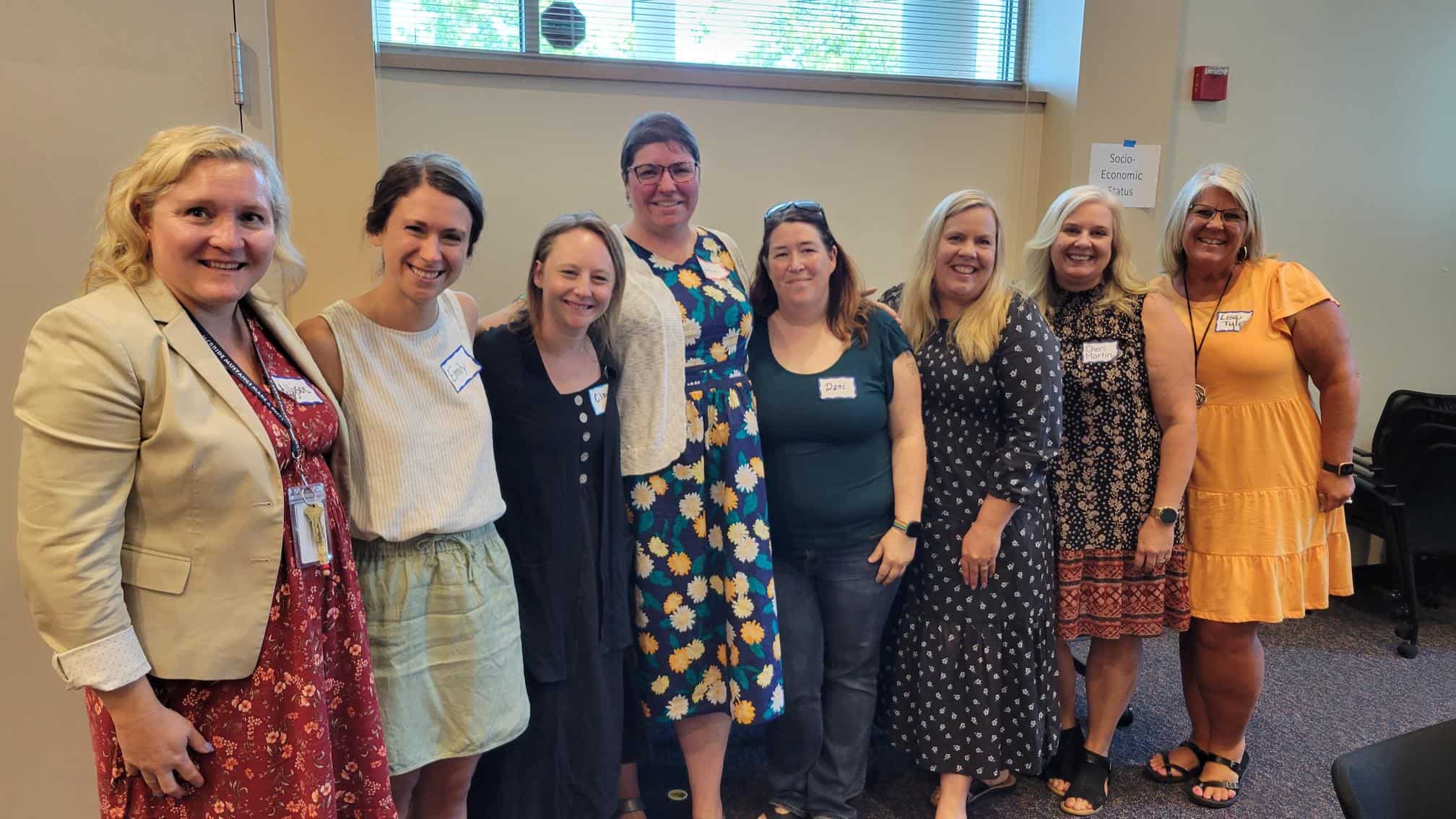
This image shows a group of participants from the St. Helens School District.
The Forest Grove team discussed how to create a great learning environment for kids by focusing on social and emotional health.

“Social emotional work is so important,” said Rogelio Martinez, principal at Fern Hill Elementary in Forest Grove. “But doing it without a focus on race, culture, and ethnicity is white supremacy with a hug.”


This image shows a group of ESS participants from Forest School District.
Attention to identity and belonging was a theme for the day. “Exploring these are central to the work and key for educators as they work with children,” Lolich said.

In Beaverton, the power of play and using loose parts – a wide array of building and craft materials – is helping teachers and school leaders be more culturally responsive.

“Kids, parents, and teachers all have opportunities to learn and internalize the power of play,” said Monique Singleton, principal at Vose Elementary. “Parents learn to engage with their kids in new ways, teachers generate new ideas for instruction, and kids can better explore complex ideas like racism.”

Ellen Arnold, the assistant principal at Vose Elementary, said cultural responsiveness includes finding new ways to explore storytelling in new and dynamic ways. “We’ve introduced these ideas in our school,” she said, “now we need to grow opportunities for people to use it.”

“Prioritizing student identity and voice helps kids come to conclusions about things where using words might be more difficult,” Singleton said. “Play helps get to a deeper level of understanding, and stories create connection.”

That’s true for kids and adults.

Throughout the leadership camp, educators shared stories and perspectives with each other that explored identity, collaboration, and psychological safety. In some ways it all adds up to what Lolich described as “the art of teaming,” adults pulling together to reshape their school communities in ways that are best for young kids.

Ultimately, that’s what ESS is all about.

Portland’s Islamic Preschool Program Offers High-Quality Early Learning, Connects Students to Culture & Community

Portland’s Islamic Preschool Program Offers High-Quality Early Learning, Connects Students to Culture & Community

On this segment of The Early Link Podcast, host Rafael Otto talks with Jawad Khan, chief programming officer at Muslim Educational Trust and a member of the Trust’s board of directors.

Guest:

Jawad Khan has spent 22 years with Muslim Educational Trust as a teacher, college counselor, and administrator, and previously worked in the tech industry. Khan is based in Beaverton, Oregon and is an advocate for expanding preschool in Washington County.

Summary:

Khan shares about the Muslim Educational Trust, including how many students served, the importance of preschool in their focus, and Khan’s own personal experiences with the children he has worked with. He also talks about how the Trust acts as a cultural navigator, why a culturally-specific approach is effective in education, and addresses some of the challenges for students who are not in a culturally-specific setting. Tying into this, Khan brings up how the school addresses anti-immigrant/anti-Muslim sentiments with students. Khan also discusses his work to expand preschool in Washington County, detailing progress and what he hopes to accomplish.

Transcript

[00:00:00] Rafael Otto: Hello everyone. This is the Early Link Podcast. I’m Rafael Otto. You can catch us on 99.1 FM in the Portland Metro on Sundays at 4:30pm or tune in at your convenience, wherever you find your podcasts. That includes iTunes, Spotify, Stitcher, and Amazon Music and as always on our website at childinst.org, where you can subscribe to our podcasts and our newsletter and learn more about our work in Oregon.

My guest today is Jawad Khan the chief programming officer at the Muslim Educational Trust and a member of the Trust’s board of directors. He has spent 22 years with the Trust as a teacher, college counselor, and administrator, and previously worked in the high-tech industry. He’s based in Beaverton, Oregon, and is an advocate for expanding preschool in Washington county,

Jawad, it’s great to have you here today.

[00:00:50] Jawad Khan: Thank you so much, Rafael. It’s a real pleasure to be here and looking forward to the conversation.

[00:00:55] Rafael Otto: I am too. And I would love to just start with more about your background. I know that you worked in the high-tech industry. You worked in the startup environment for a while, founded a company, and now you’ve been in the education world for more than two decades. Tell us about that background and how you came to the trust.

[00:01:12] Jawad Khan: Well, you know, I think it’s a little bit of a serendipitous journey. I think I look at it that way at least. I didn’t intend to work in the nonprofit and educational world when I started out. My parents immigrated here from India in the early seventies. I lived across the United States in multiple cities. Texas, California, Ohio, Colorado, Washington, South Carolina. I think a couple others I’m missing right now.

[00:01:37] Rafael Otto: All over!

[00:01:38] Jawad Khan: All over, all over. So I got to see a lot of great places. And I came to Oregon in the early nineties and finished high school here and went to college. I was going to, and I did actually, go out and work in the high-tech industry for a bit and then I started my own startup, as you mentioned, and with my friends from college, and we wind up selling that. And I was going to go to business school maybe after that. But I received an email from the Muslim Educational Trust, asking if I would like to teach. And really something like this organization and it’s very unique and the way that it addresses holistically, a lot of the challenges that the immigrant refugee population faces in a new world. I would have loved to be part of such an organization or be part of such a school when I was growing up. So I decided to defer business school and go and teach and I’ve been here ever since. And it’s been a real pleasure and a real joy to be part of this, and has also given me that experience about how much difference education can make.

[00:02:43] Rafael Otto: Tell me more about the trust. You have preschool classrooms all the way through grade 12. How many students do you serve? Tell me more about what your school looks like.

Please download the full transcript below.

Beaverton and Forest Grove Chosen for Early School Success

Beaverton and Forest Grove Chosen for Early School Success

Children’s Institute is pleased to announce that the Forest Grove and Beaverton School Districts have been selected as our initial partners in our latest initiative, Early School Success (ESS).

After a competitive application process, it was clear that both Forest Grove and Beaverton are deeply committed to young learners and that they are just as excited as we are about the transformative work we’ll be engaged in over the next five years. Here’s an introduction to the districts and a little about why we chose them.

In Forest Grove, A Family Feel

In the school library at Echo Shaw Elementary in Forest Grove, a few dozen parents, most of whom are Spanish-speaking, have been asked for their thoughts on the school’s preschool program.

Through a translator, one parent says that her child talks about school all the time and is always practicing what she learns at home. Another parent reports that her daughter already knows all her letters and letter sounds. It doesn’t take long before the comparisons start. One parent explains that her younger daughter was so much better prepared for kindergarten than their older son, because of her exposure to preschool. Another says that she sees the differences between her kids who have gone to preschool and those who haven’t.

When asked about the quality of communication from teachers and staff, parents offer another round of positive comments. As their visitors from Children’s Institute (CI) press for even more details, a flicker of confusion—maybe impatience?—flashes across one mother’s face. She raises her hand to summarize what other parents have tried to illustrate, but which her visitors don’t yet seem able to fully grasp.

“This,” she says, “is a family.”

In Forest Grove, the feeling of family is unmistakable. You hear it when parents speak about the trust they have in their teachers.  It’s evident when teachers speak of their commitment to students. Most importantly, it’s reflected in the joyful faces of the children who attend one of two high-quality, dual language preschool programs currently offered in the district.

Those children will be moving on to kindergarten and beyond next year. Their family—both at home and at school—wants to do more to ensure that they, and the children who follow them, continue to build on the strengths they have gained.

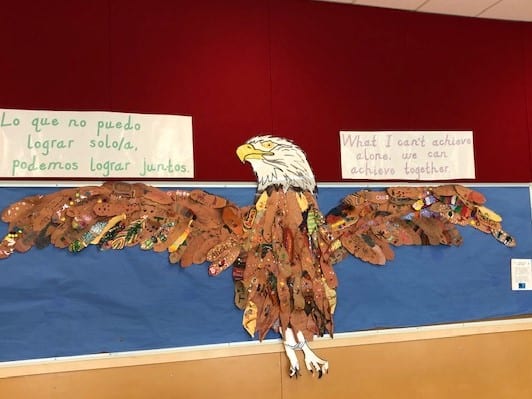
At Echo Shaw Elementary in Forest Grove, an inspirational message in Spanish and English

What could better alignment between preschool and the K–5 system look like? Perla Rodriguez, Echo Shaw’s principal, speaks to the benefit of shared professional development. The staff, she says, are “super willing” to engage in this work. Preschool teachers are used to preparing their kids for the upper grades, but she adds that her school’s K–6 teachers could learn so much from shared professional learning opportunities that help them understand “what they have coming to them.”

In selecting Forest Grove as a pilot district, CI expects that the district’s deep community connections, the staff’s enthusiasm for collaborative learning, and impressive level of family engagement will serve as a strong foundation for the initial rollout of ESS. There’s also much to learn from the district’s strong dual language instructional practices.

Deeply Committed to Early Learning, Beaverton Shows It’s Ready for More

Beaverton School District, like Forest Grove, is also located in Washington County. If Forest Grove is aptly characterized as a family, Beaverton might best be comparatively summarized as a metropolis.

With more than 40,000 students, Beaverton is the third-largest school district in Oregon. The district operates 34 elementary schools and runs five school-based preschool programs. Two of those sites, Aloha Huber Park K–8 and Vose Elementary, will pilot the ESS initiative at their schools.

While some may consider Beaverton, home to corporate powerhouse Nike and a tech industry hub, as a place of relative affluence, the district has seen increasing numbers of low-income families and now serves the highest population of homeless students in the state.

Superintendent Don Grotting has led a district that has been unwavering in its support for early learning despite a tough fiscal environment. The district plans to spend $1.3 million to support early learning next year, a significant portion of its program budget.


Thinking Differently

Jared Cordon, the district’s lead early learning administrator offers an aspirational view of the potential of ESS:

“Where can parents access resources [from birth] and understand things that matter? How can we make a seamless integration then, into this thing we call school? This is a provocation to think about what is possible…an invitation to think differently and envision what school success really looks like.”


A kindergarten classroom at Scholls Heights Elementary in Beaverton

A Structure to Build Upon

The district has already created an “early learning cadre” of administrators, practitioners, and other community members who will play a central role in much of the ESS work.

In a discussion with preschool and early grade teachers in Beaverton, staff were asked about what benefits they see in better aligning preschool and early grade instructional practices.

One preschool teacher called out the benefit to students who have experienced trauma and who need teachers with more understanding of social emotional learning and behavioral strategies.

“My hope is that these kids are seen like I see them [and not just as] kids that would be blowing up and removed from a classroom.”

A second-grade teacher spoke about how she hoped that preschool’s emphasis on imaginative play and inquiry-based learning could be more intentionally carried up into the early elementary grades. “I hope,” she said, “that my children don’t ever lose the ability to wonder.”

In selecting Beaverton as a partner district for ESS, CI believes that the district’s demonstrated commitment to early learning, inspired teaching, and appetite for next-level professional development will serve as a strong foundational base for future work. The district’s size also offers an opportunity to bring a smaller set of successful practices out to more school communities.

Early School Success: Bridging the Early Years, Early Grades

Early School Success: Bridging the Early Years, Early Grades

As Swati Adarkar, Children’s Institute’s (CI) president and CEO, reflected on her organization’s experience with Early Works—an initiative launched in 2010 that set out to improve the learning experiences for children before they enter kindergarten—she found that the work had fundamentally transformed CI.

“Early Works helped CI shift from a more traditional advocacy organization into one committed to better understanding the policies and strategies for which it was advocating,” Adarkar said. “That included building partnerships with schools, families, and communities to go deep in the work, to help us get clear on what works and what the field needs.”

Early Works helped CI discover the growing interest among elementary educators in strengthening the connection to early learning strategies like preschool and improving how they engaged with parents. This led to the development of Early School Success (ESS)—the next iteration of CI’s work to transform educational practice in the early years.

In 2010, CI introduced Early Works, a learning laboratory for innovative practices in early education. The first site, at Earl Boyles Elementary School in Southeast Portland, was created in partnership with Mt. Hood Community College Head Start, the Multnomah Early Childhood Program, and the David Douglas School District. In 2012, the Ford Family Foundation and CI partnered with the Yoncalla School District to launch a site in Douglas County. Early Works has helped to inspire new public and private funding, as well as drive policy changes in the care and education of young children in Oregon.

An Evolving Approach

“What we kept seeing and hearing from families was that once you’ve experienced a high-quality early learning environment, once you’ve been a part of a highly-engaged parent and school community, it’s really difficult to accept anything less,” says Dr. Marina Merrill, CI’s director of research and evaluation.

CI wanted to ensure that the social-emotional, academic, and other gains that students and families achieved in high-quality early learning environments from birth to 5 were preserved and built upon as they moved into the elementary school years.

“Right now, we have these different worlds—preschool and K–5—that typically don’t align or integrate. But the science of learning tells us children need seamless learning experiences from birth into the elementary years,” said Adarkar.

The number of school districts and communities working to strengthen early learning has been growing. This includes more parents and educators working together to address learning as children move into kindergarten and through school.

“It’s complex work,” Adarkar said. “It takes time, but it’s also helped us discover what’s needed for schools, districts, kids, and families.”

Among the needs: a common language to help define the need and importance of early learning, more professional learning, a focus on instruction, and concentrated efforts to connect the early years to the early grades.

Grounded in Research

True to its research-based origins, CI spent time drinking deeply from the well of existing knowledge about how best to support early learning across preschool and the early grades. In 2016, CI conducted an analysis of Oregon’s existing preschool landscape. In 2018, staff crisscrossed the country visiting school districts leading the way to align and integrate preschool with elementary education. Educators, parents, and community partners continued to inform and advise as the design for ESS began to take shape.

“Ultimately, we found no magic curriculum. No magic program,” said Soobin Oh, senior early education advisor at CI. “[Success] was always driven by a community coming together with a focus on instruction and classroom practices. A huge part of this work is about collaborating and problem solving with communities.”

In deciding to forge its own path, rather than simply adopting or applying an existing program, CI is creating a unique opportunity for school districts to learn, evolve, and contribute to improving education in Oregon and across the U.S.

Collaborative in Design

ESS challenges participants to engage in a conceptual re-imagining of the educational experience for young children, not just in preschool, but also as they move into and through their early elementary school years.

“The approach is really designed to foster a learning partnership between all the different stakeholders that affect and are affected by early years and early grades learning,” says Oh.

CI will bring professional development, coaching, and facilitation resources to work with districts on the issues they decide are most impactful to achieving a seamless and integrated early education experience for students and families.

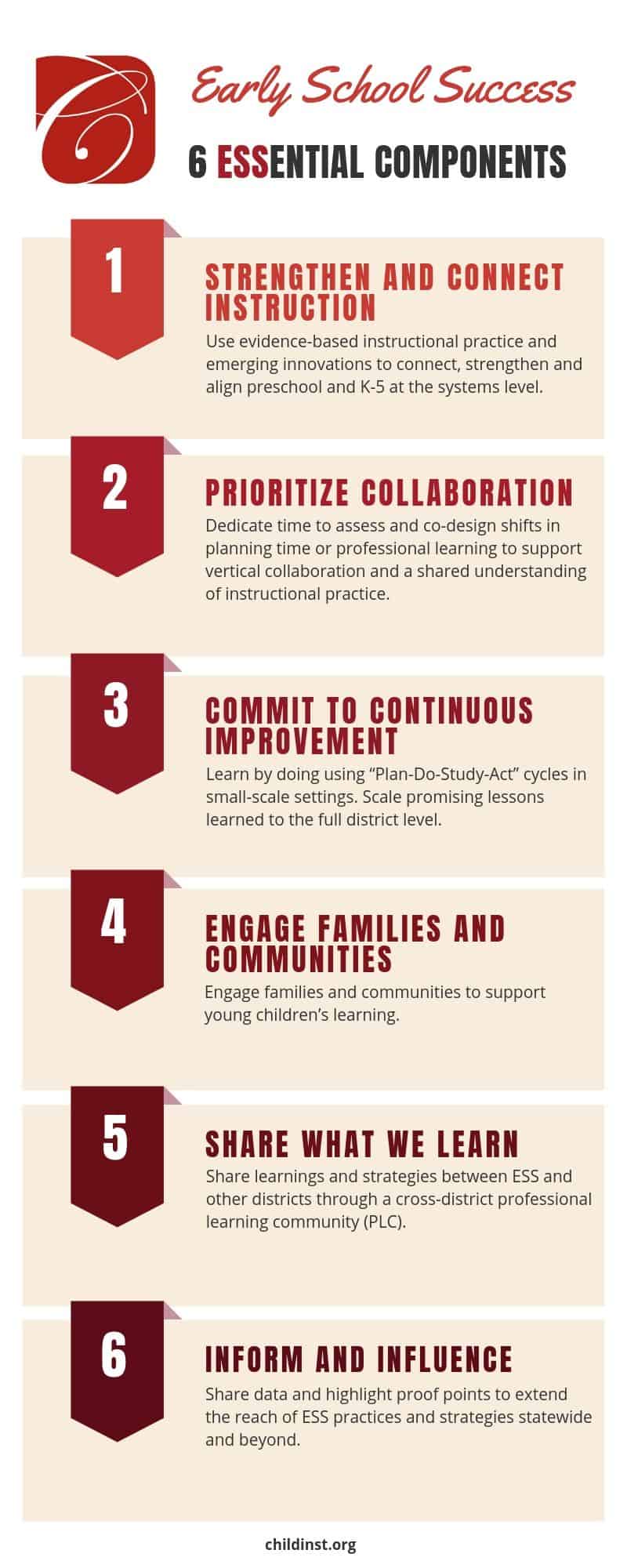
The goal of ESS is to connect preschool and elementary as one continuous high-quality learning experience for district communities using these six components:

Two pilot districts chosen in May 2019—Beaverton and Forest Grove—will begin the initial phase of Early School Success. In year three of the five-year initiative, two additional Oregon school districts will be added.

Driven by Communities

This fall, a team of educators, administrators, parents, and other community partners in the two pilot districts will start to assess community needs and then develop a plan to address them.

In addition, the districts chosen will engage in cross-district professional learning as well as incorporate family and community engagement with the goal of continuous improvement over time.

Bridging two previously disconnected areas of instructional practice is something even veteran teachers and administrators may not have experience doing. It is especially challenging to explain that strategy to parents who are just entering the preschool and elementary education years. In some cases, families may have little to no experience in the U.S. education system at all.

The staff, parents, and partners of the Early Works sites, with nearly a decade of expertise in doing this work, will play a key advisory and participatory role. ESS aims to broaden its reach across the state and beyond so all children enjoy a smooth transition between preschool and the early grades.

“We have set up a structure that is grounded in values that are fundamental for transformational change,” says Dr. Merrill. “There is a real sense of openness and so many directions that districts can go in from there. We are so excited to begin this work.”