5 Things We Heard (and Felt) at the 2025 ESS Spring Cross-Network Convening

5 Things We Heard (and Felt) at the 2025 ESS Spring Cross-Network Convening

At Children’s Institute, we are committed to building systems that center children, families, and educators. That work lives in the daily practice of our school teams and it comes alive when we gather to reflect, share, and grow.

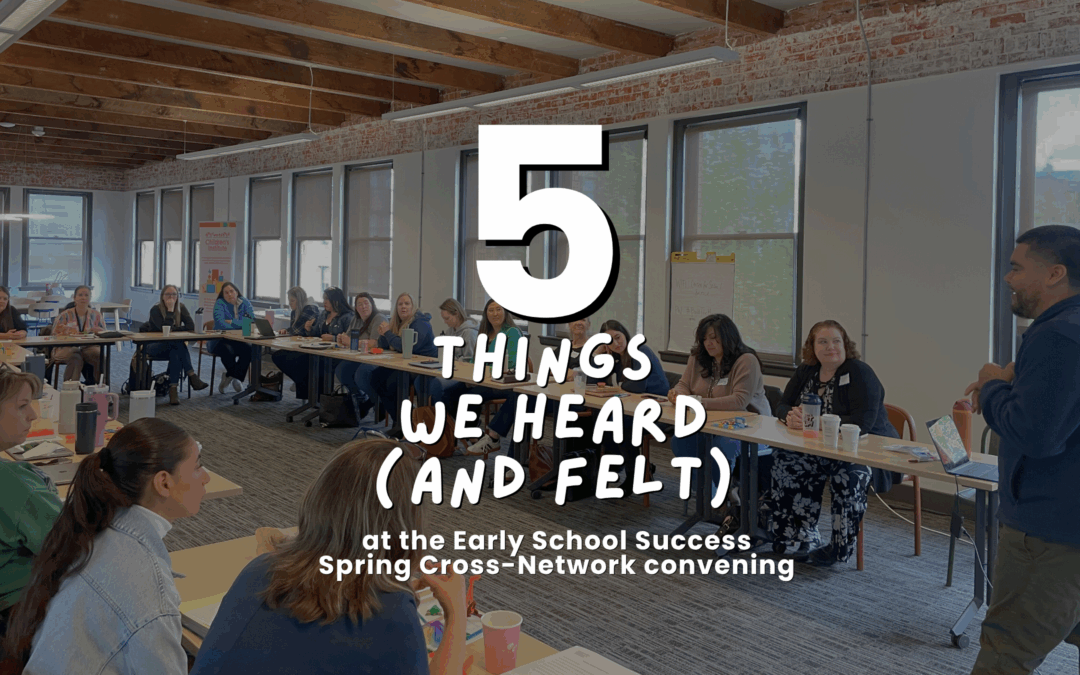
We saw that commitment in action on May 16, at our Early School Success(ESS) Spring Cross-Network convening. Throughout the day, participants brought care, creativity, and clarity as they explored what it takes to build more equitable, student-centered systems – together.

Here are five things we heard – and felt – at the convening:

This convening reminded us that educators are not only implementing change – they are leading the way. To every educator who showed up with curiosity, creativity, and purpose – thank you. You are moving systems with heart, and we’re honored to walk alongside you!
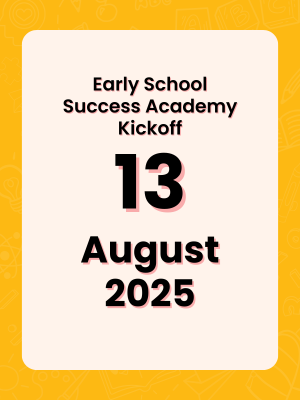
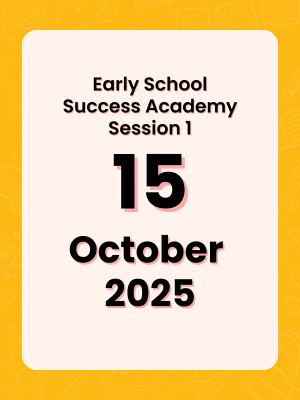
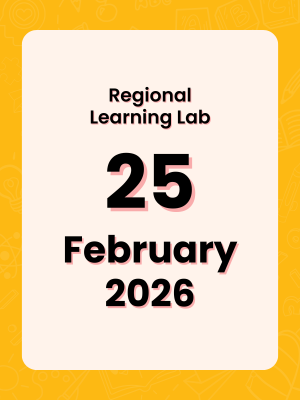
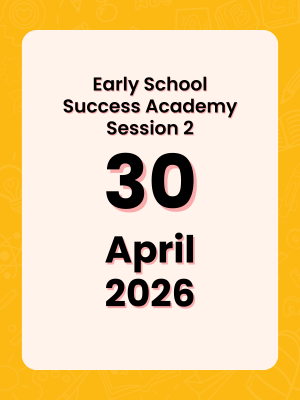
Register today: 2025-2026 Early School Success Academy

Register today: 2025-2026 Early School Success Academy

Register today for the 2025-2026 Early School Success Academy!

The Early School Success Academy equips schools and districts to build strong early learning programs with practical tools and hands-on coaching that boost student success. This professional learning experience is led by educators, for educators!

This year’s focus:
Boosting Early Literacy

Registration is open!
To register or learn more, please contact Shawnté Hines at shawnte@childinst.org

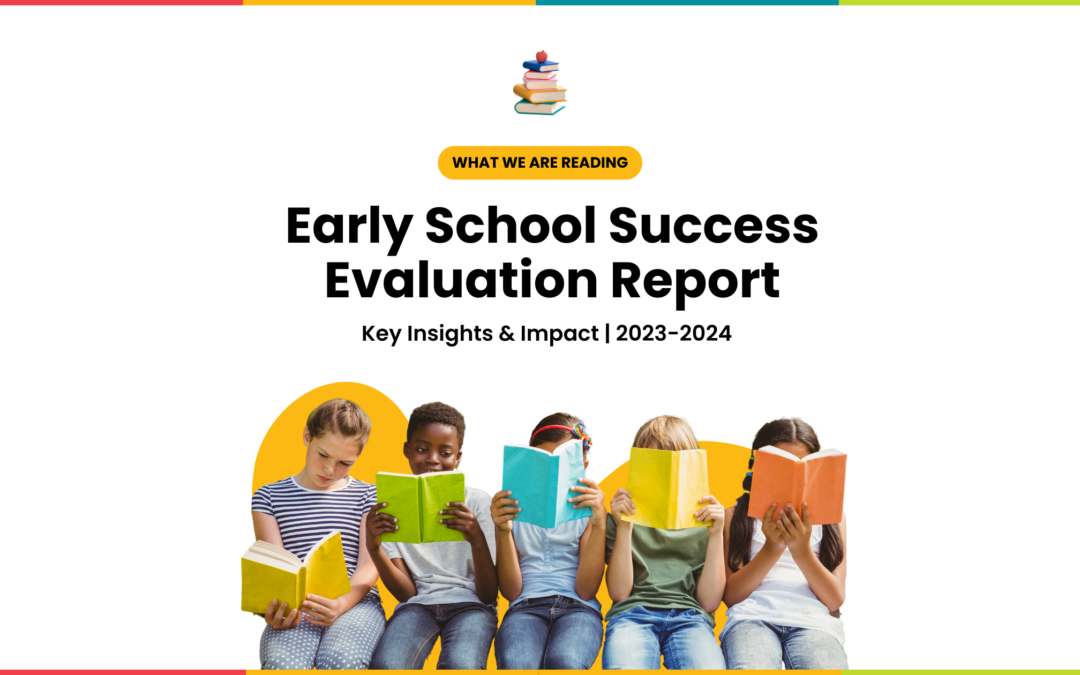
Early School Success 2023-2024 Evaluation Report: Key Insights & Impact

Early School Success 2023-2024 Evaluation Report: Key Insights & Impact

What is Early School Success?

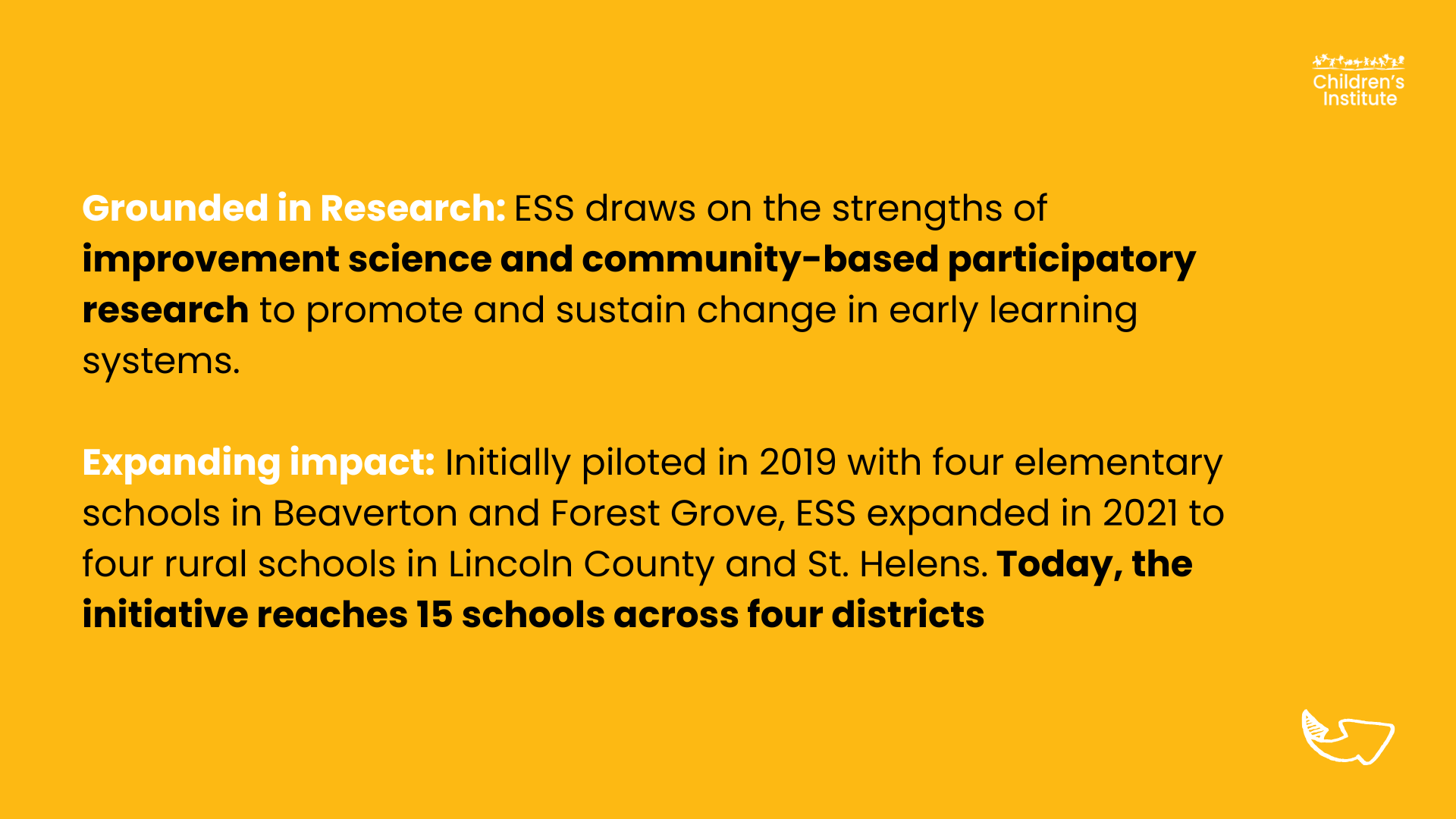
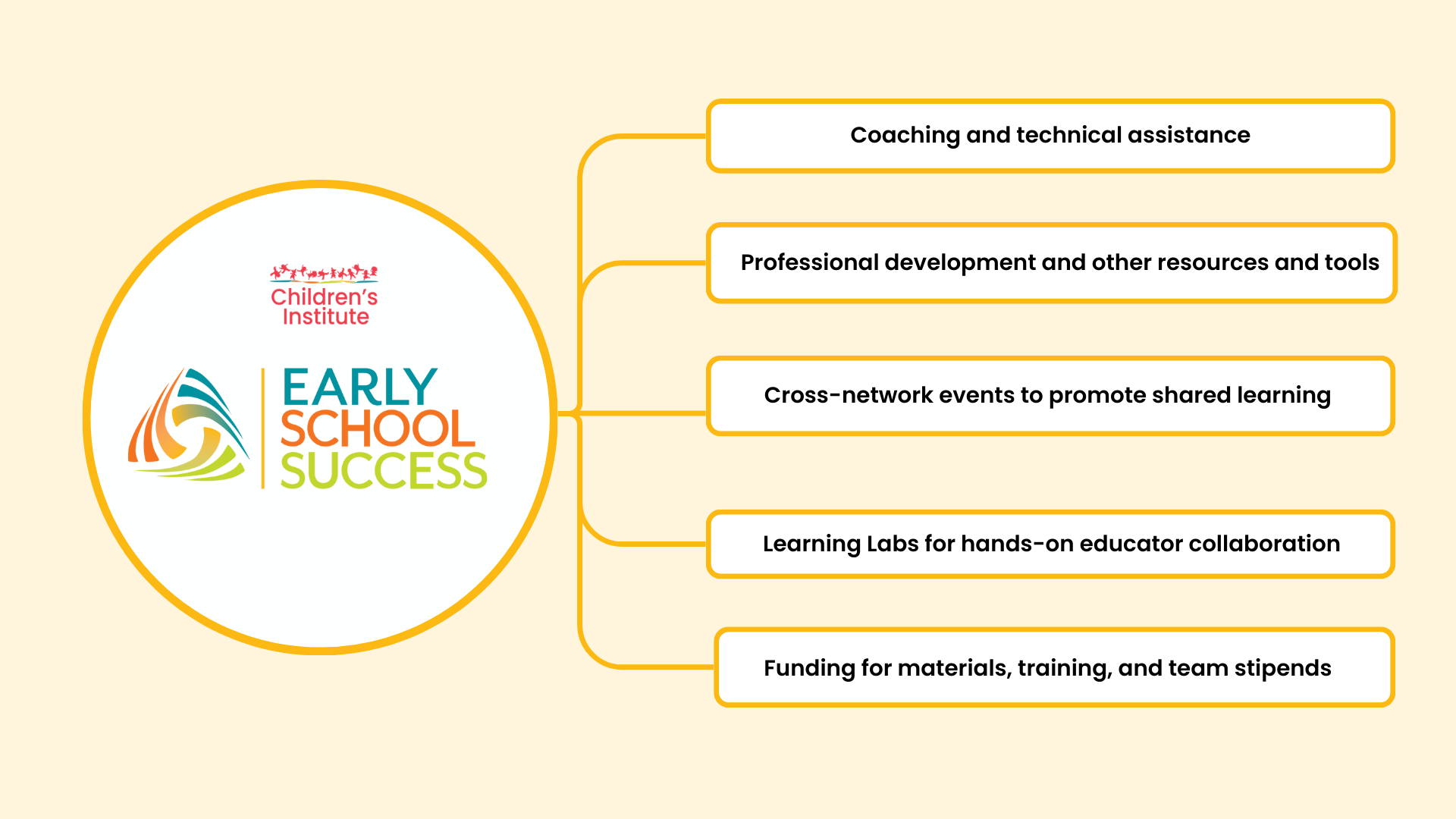
At Children’s Institute, we believe that every child deserves a strong start in school. In 2019, Children’s Institute launched the Early School Success (ESS) initiative to help Oregon schools create smooth and supportive learning experiences for students from preschool through fifth grade. Five years after its implementation, we collaborated with Education Northwest to complete an evaluation and we are excited to share what we’ve learned about how ESS is improving classrooms, supporting teachers, and helping students thrive.

Overview

About the Evaluation Report

Purpose

The Early School Success evaluation examined:

  1. How ESS is implemented across participating districts and schools.
  2. Educator and administrator perspectives on its benefits for student engagement, systemic change, and instructional alignment.
  3. Opportunities for growth and expansion to ensure long-term success.
Methodology

The evaluation used a mixed-methods approach, combining:

  1. Quantitative data analysis to measure student engagement and instructional impact.
  2. Qualitative insights from interviews and focus groups with educators, administrators, and ESS implementation teams.
  3. Case studies of implementation across different school contexts

Key Findings

The report’s key findings show that Early School Success—through evidence-based strategies, cross-district collaboration, and professional developmenthas led to measurable improvements in early learning environments. The outcomes below highlight how ESS has supported positive change for students, educators, and school communities. 

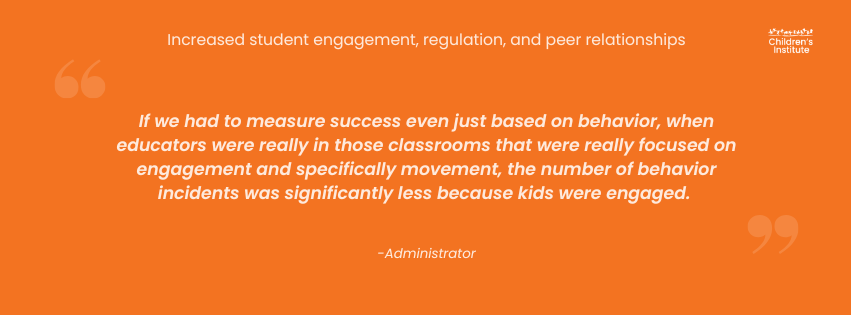
Increased student engagement, regulation, and peer relationships

Educators observed greater student engagement while implementing ESS strategies like playful inquiry, loose parts, and movement-based learning. These approaches supported academic growth in vocabulary, oral language, writing, and math while also fostering social-emotional development. Students who previously faced challenges became more engaged, built confidence, and strengthened peer relationships.  Administrators noted that ESS classrooms promote problem-solving and a sense of belonging, contributing to fewer behavioral incidents.

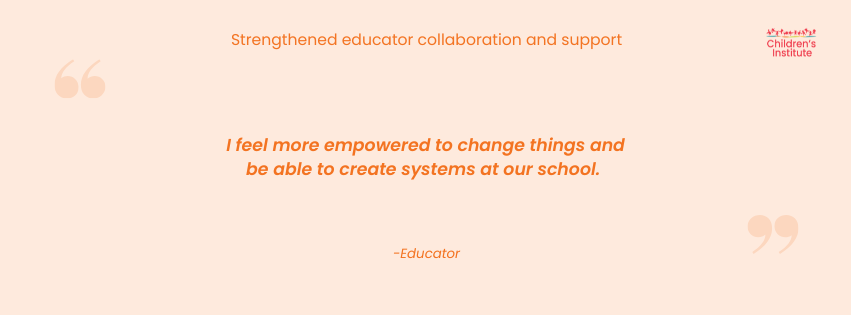
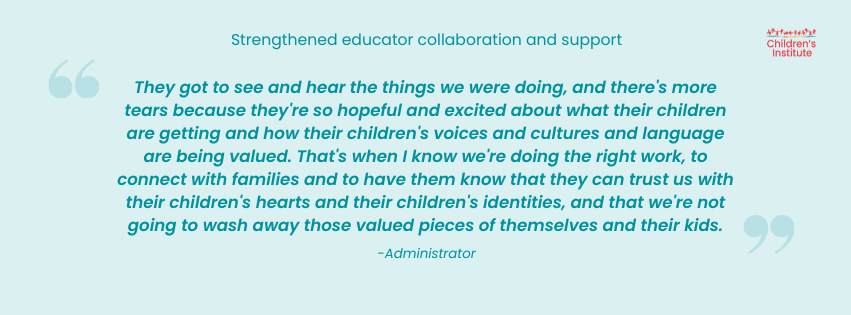
Strengthened educator collaboration and support

Educators reported feeling more confident and appreciating how their professional expertise was honored and valued. The ESS framework encouraged risk taking, skill-building, and teamwork, creating a culture of trust and shared learning. Educators also embraced an inquiry-based mindset, making small but meaningful shifts in their teaching practices.

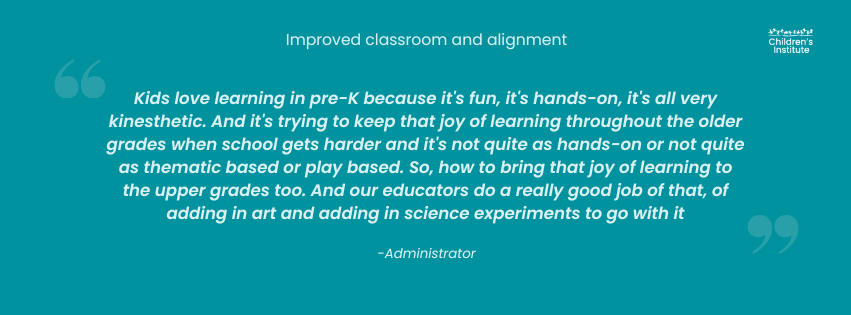
Improved classroom instruction and alignment

ESS teams that included educators across grade levels was integral in expanding successful strategies, strengthening instructional alignment from preschool through elementary grades. Educators elevated playful inquiry as an equity-driven practice, sparking deeper conversations about culturally responsive teaching. Districts strengthened alignment from preschool through fifth grade by expanding professional learning opportunities and integrating ESS insights into broader curriculum discussions and equity initiatives.

Stronger Family-School Partnerships

ESS strategies helped deepen connections between schools and families. As students became more engaged, families reported greater trust and partnership with educators. Schools introduced new approaches like empathy interviews, positive notes sent home, and learning activity kits to foster a home-school connection. One school reported a notable increase in attendance at family engagement events, and an administrator reflected on how powerful it was for parents to better understand their children’s experiences and share their own goals.

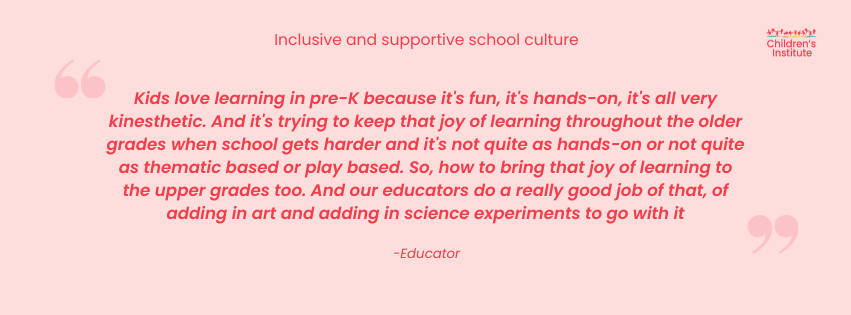
Inclusive and supportive school culture

ESS has helped cultivate a school culture centered around joy, equity, and inclusion. Educators applied an equity lens to data collection, using insights to tailor strategies for students adjusting to new cultural and linguistic environments. Many shared that ESS has broadened their perspective on learning, enabling them to better support students who may not have had positive school experiences in the past.

Next steps

The 2023-24 ESS evaluation highlights meaningful progress in student engagement, instructional quality, and educator collaboration. While there is more work ahead, these early successes underscore the value of intentional, research-based strategies to strengthen early learning. This progress reflects the commitment of educators, families, and school leaders. As the ESS initiative evolves, we will continue to build on this momentum to ensure early learning systems remain responsive, equitable, and student-centered. Together, we are laying the foundation for every child to get the strong start they deserve!

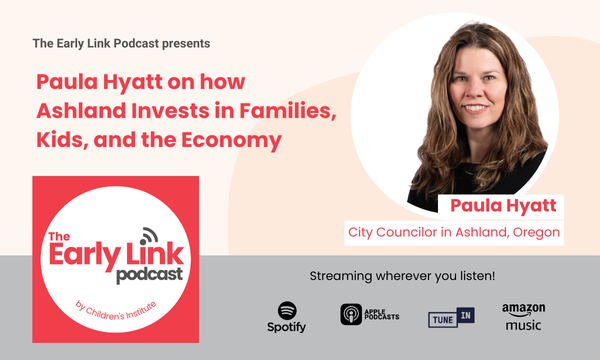
Paula Hyatt on how Ashland Invests in Families, Kids, and the Economy

Paula Hyatt on how Ashland Invests in Families, Kids, and the Economy

Summary

In this episode of The Early Link Podcast, we explore what the city of Ashland, Oregon is doing to improve access to child care and early learning in the city and the region. Ashland is located in Southern Oregon, not far from the California border, and has a population of about 22,000 residents. It is known for being one of the best small towns in America and for the world-famous Oregon Shakespeare Festival. But in this interview, we’ll raise some visibility for the work happening in the city to support young children and their families. Paula Hyatt, an Ashland city councilor, has taken a lead role in this work. With a background in finance and banking, national defense and healthcare, she’s been keenly interested in the importance of a diversified economy and the need to bring people together to create solutions for kids and working families.

“So why did the council do that? Why did we feel that that was a good use of our resources? It’s largely because when you do these investments, you are investing in families, but you’re also investing in your local economy. If you have folks who have quality care for their kids, they can pursue the employment they’re seeking, they can pursue higher education, which in turn means there’s a greater labor pool for folks to hire from, less turnover for employers. So, it tends to be symbiotic in that it helps the families, but it also helps our local business.”


More about The Early Link Podcast

The Early Link Podcast highlights national, regional, and local voices working in early childhood education and the nonprofit sector. The podcast is written, hosted, and produced by Rafael Otto, Children’s Institute’s director of communications.

Listen to more episodes of the Early Link Podcast here or stream on Spotify, Stitcher, Amazon Music, TuneIn, and Apple Podcasts.

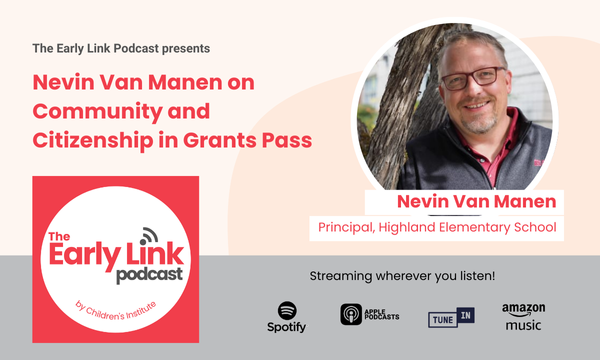
Nevin Van Manen on Community and Citizenship in Grants Pass

Nevin Van Manen on Community and Citizenship in Grants Pass

Summary

We visited Grants Pass, Oregon recently and spoke with Nevin Van Manen, the principal at Highland Elementary about school culture, and community, and what it means to be from Grants Pass, from Oregon, and from the United States. Special thanks to Adam Davis from Oregon Humanities for co-hosting this interview, and to the students and educators we’ve spoken with in Grants Pass who we’ve spoken with in recent months.

“Citizenship is how we treat one another. It’s how we are to each other, it’s how we help each other. Even if I don’t disagree, if you’re need of help, I’m going to help you. For some of our kids who struggle with all the horrible things that people are going through like poverty, the hope is can we break that cycle somehow… can we break the cycle of feeling like you’re just stuck in this.”


More about The Early Link Podcast

The Early Link Podcast highlights national, regional, and local voices working in early childhood education and the nonprofit sector. The podcast is written, hosted, and produced by Rafael Otto, Children’s Institute’s director of communications.

Listen to more episodes of the Early Link Podcast here or stream on Spotify, Stitcher, Amazon Music, TuneIn, and Apple Podcasts.