

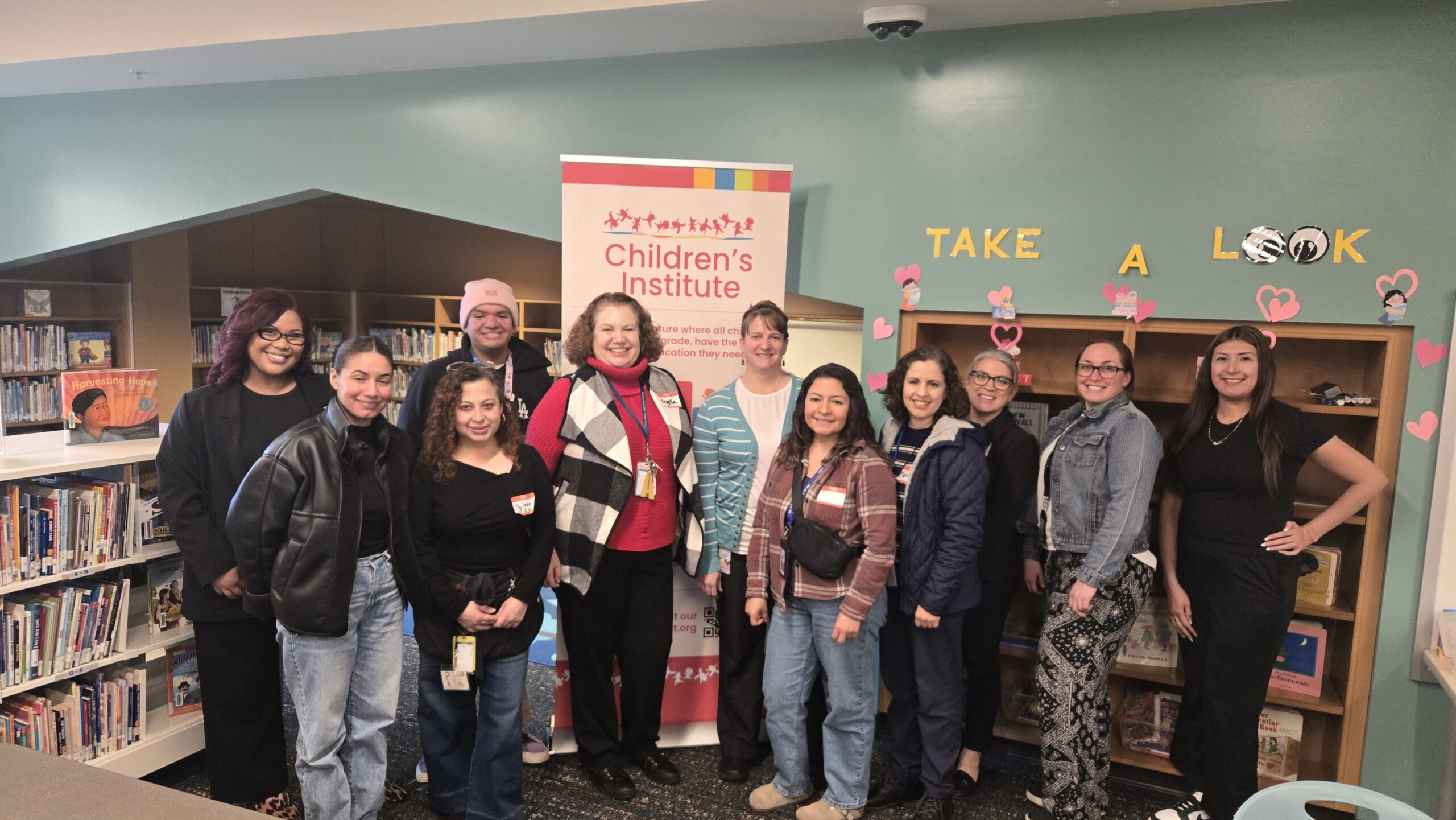
The Cornelius Elementary School library felt different on February 25.
That morning, educators from across the Forest Grove School District settled into conversation—greeting colleagues from other schools, flipping through materials for the day, and easing into shared learning. The space felt intentional and welcoming.
Then came the waves at the library windows, as a group of preschoolers making their way down the hall paused to peer inside. A flurry of small faces and hands pressed against the glass—wide smiles and enthusiastic waves.
“Hi!” they called through the glass.
The room turned around, laughed, and waved back. The students reminded the group why they had gathered: all the work happening in the room, from improving systems to sharpening practice and looking closely at the data, was for those curious faces looking in.
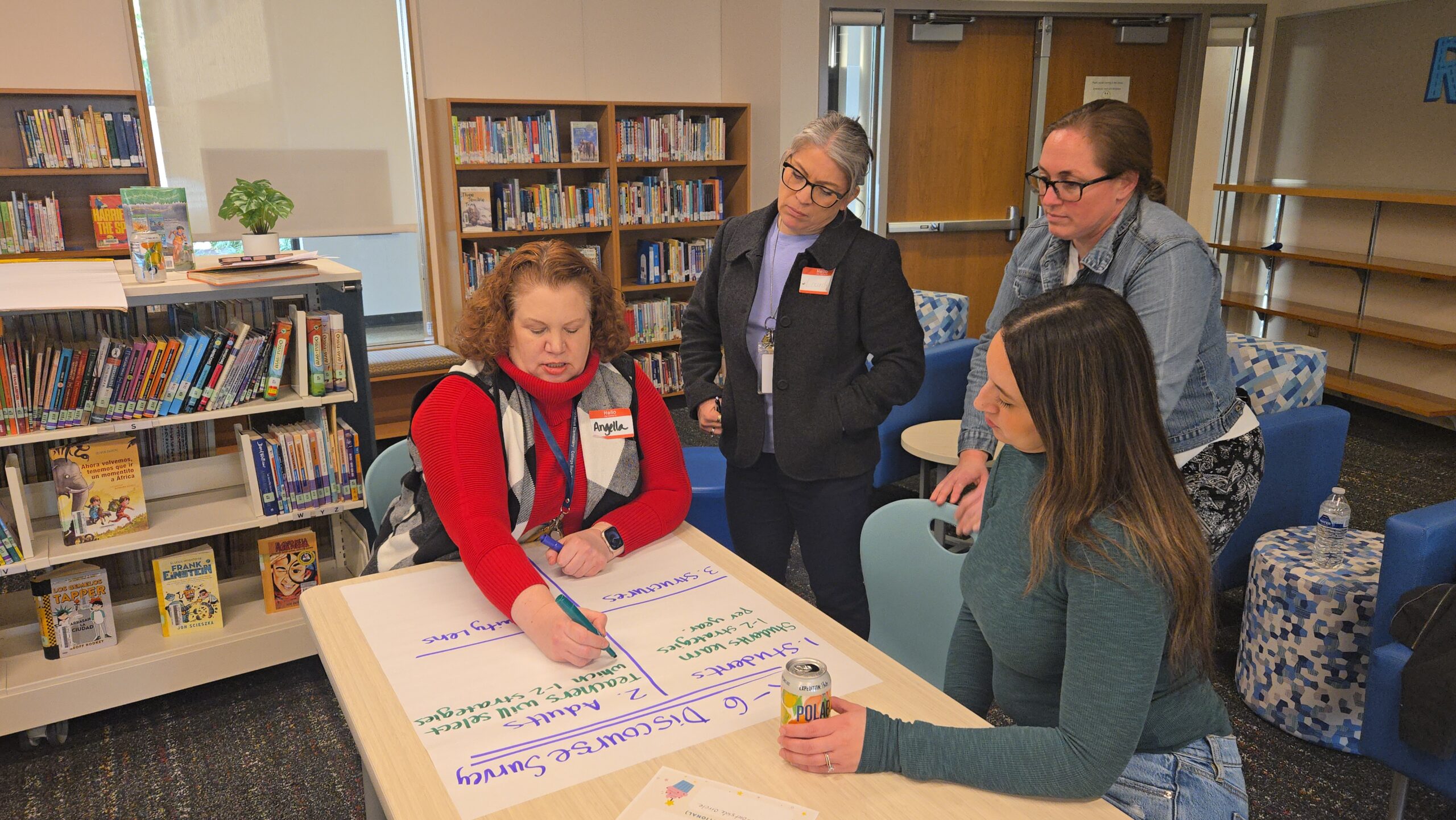
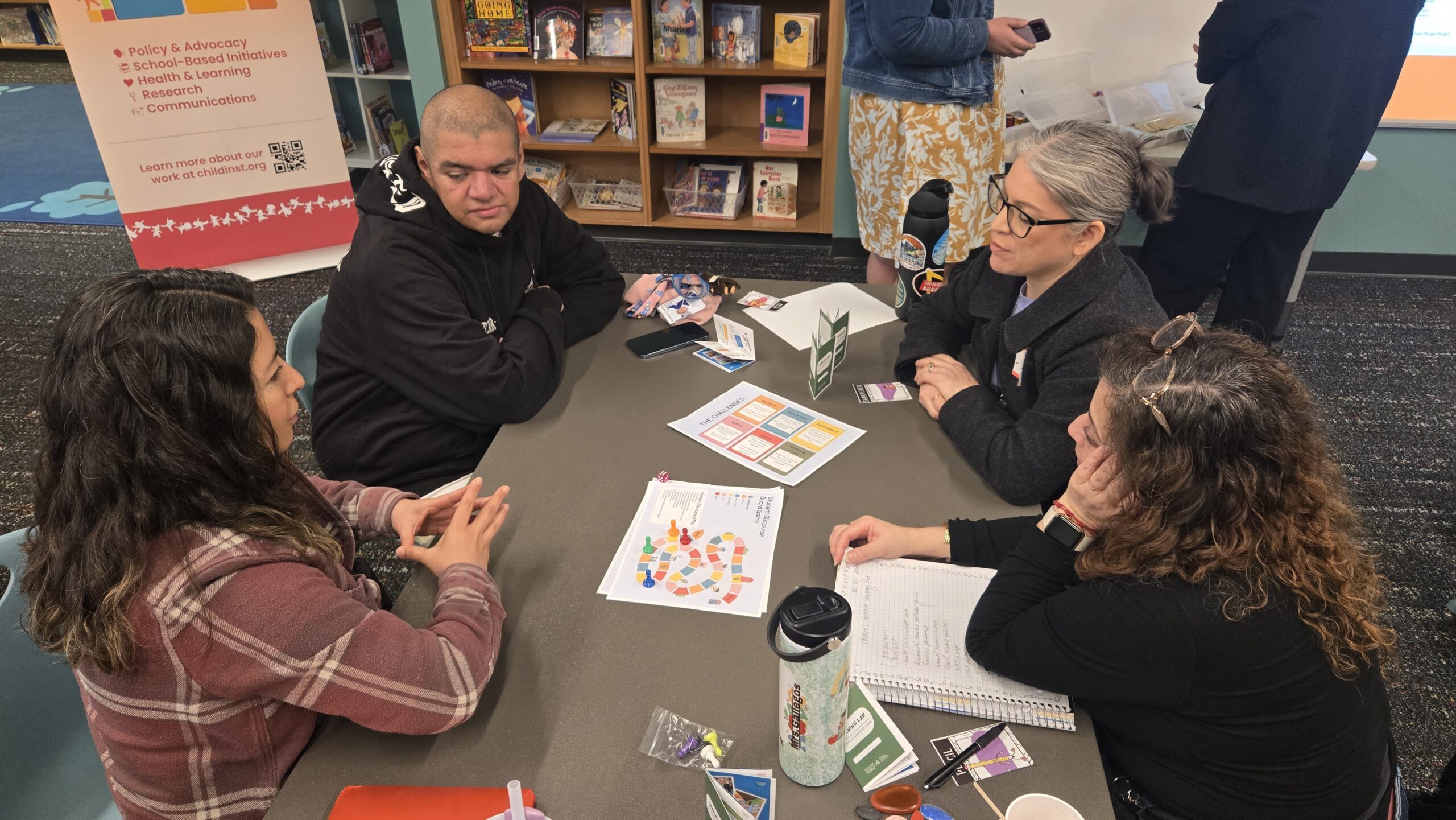
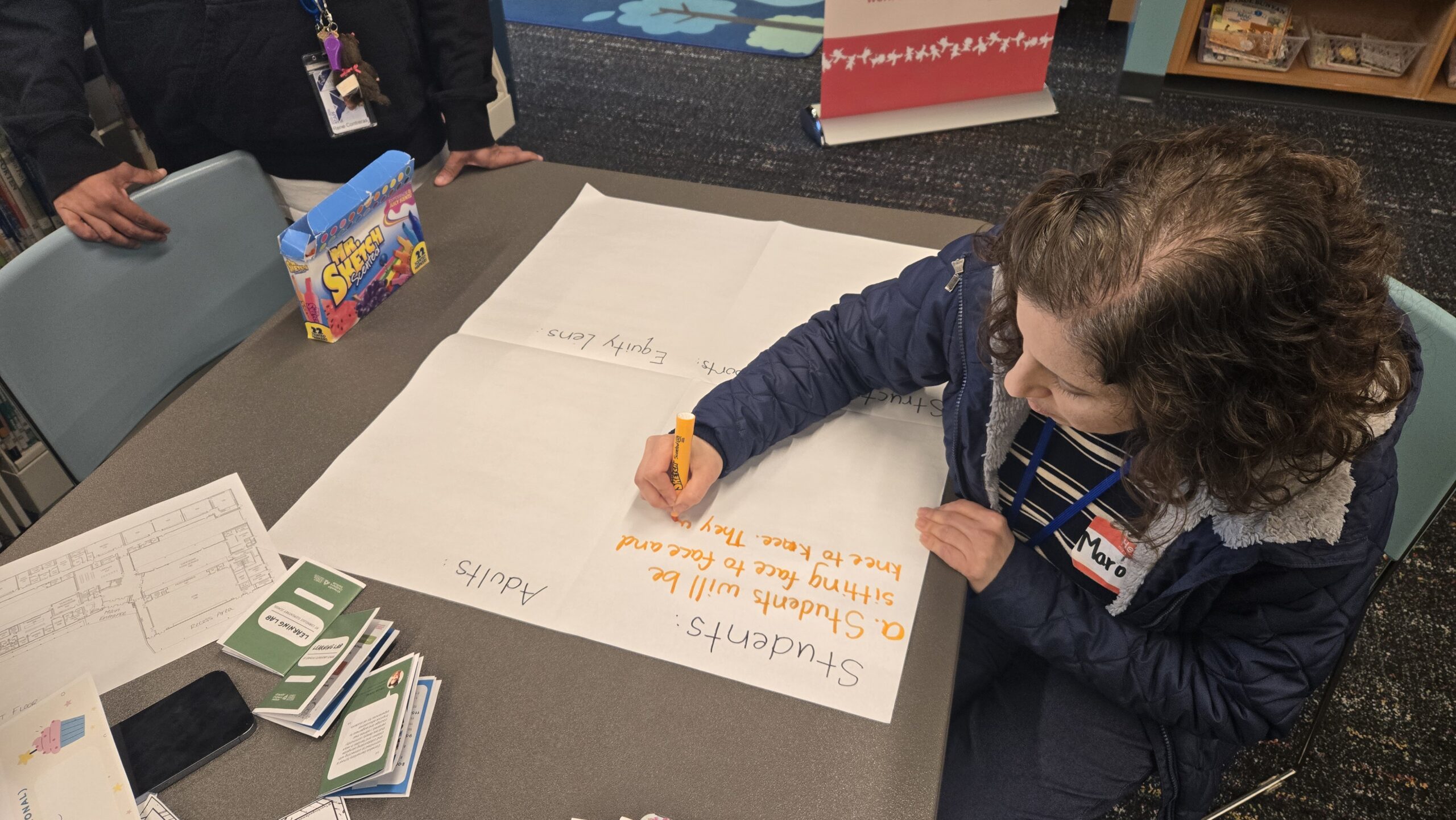
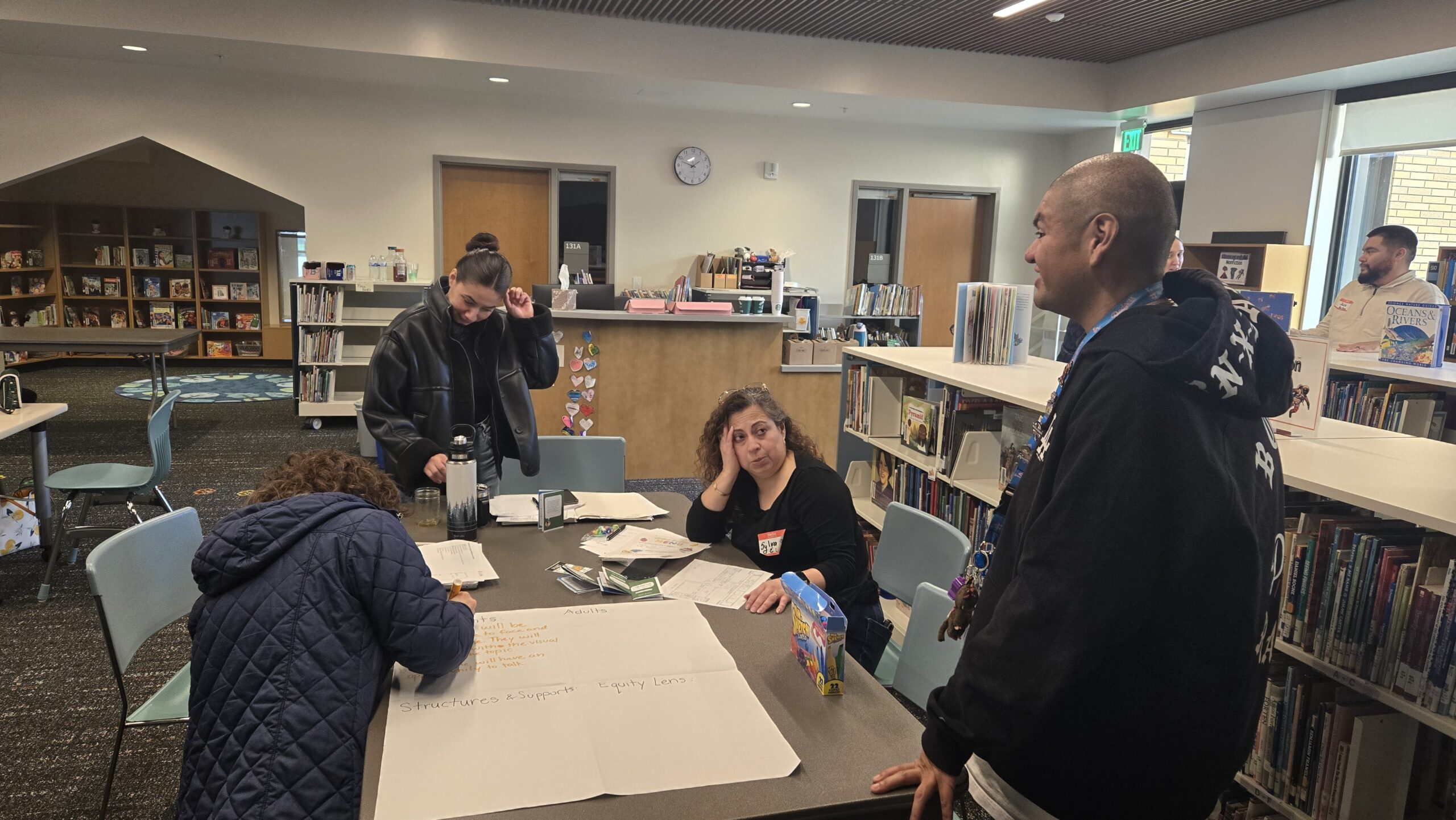
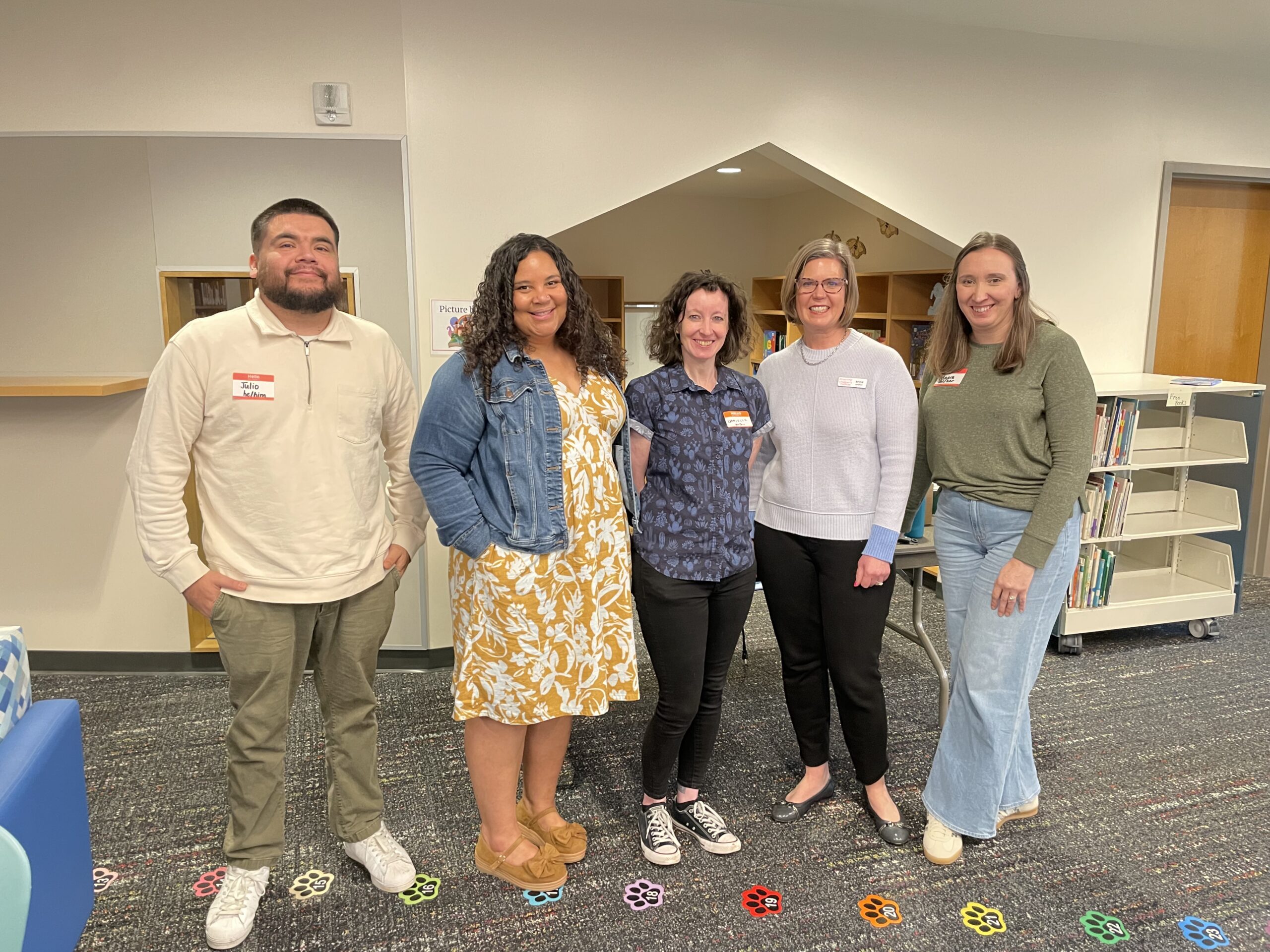
It was the perfect start to the Learning Lab, highlighting Children’s Institute’s Early School Success partnership with Forest Grove School District. The Learning Lab provided an opportunity for educators from other schools in the district to observe classrooms, reflect together, and center student voice.
Children’s Institute’s CEO, Kali Thorne Ladd, set the tone for the day when she echoed that message in her opening remarks, naming the importance of centering student students’ voices—not just symbolically—but as a daily classroom practice. She invited the educators in the room to create spaces for students to speak, question, lean into wonder, and build on one another’s ideas.
What a Learning Lab makes possible
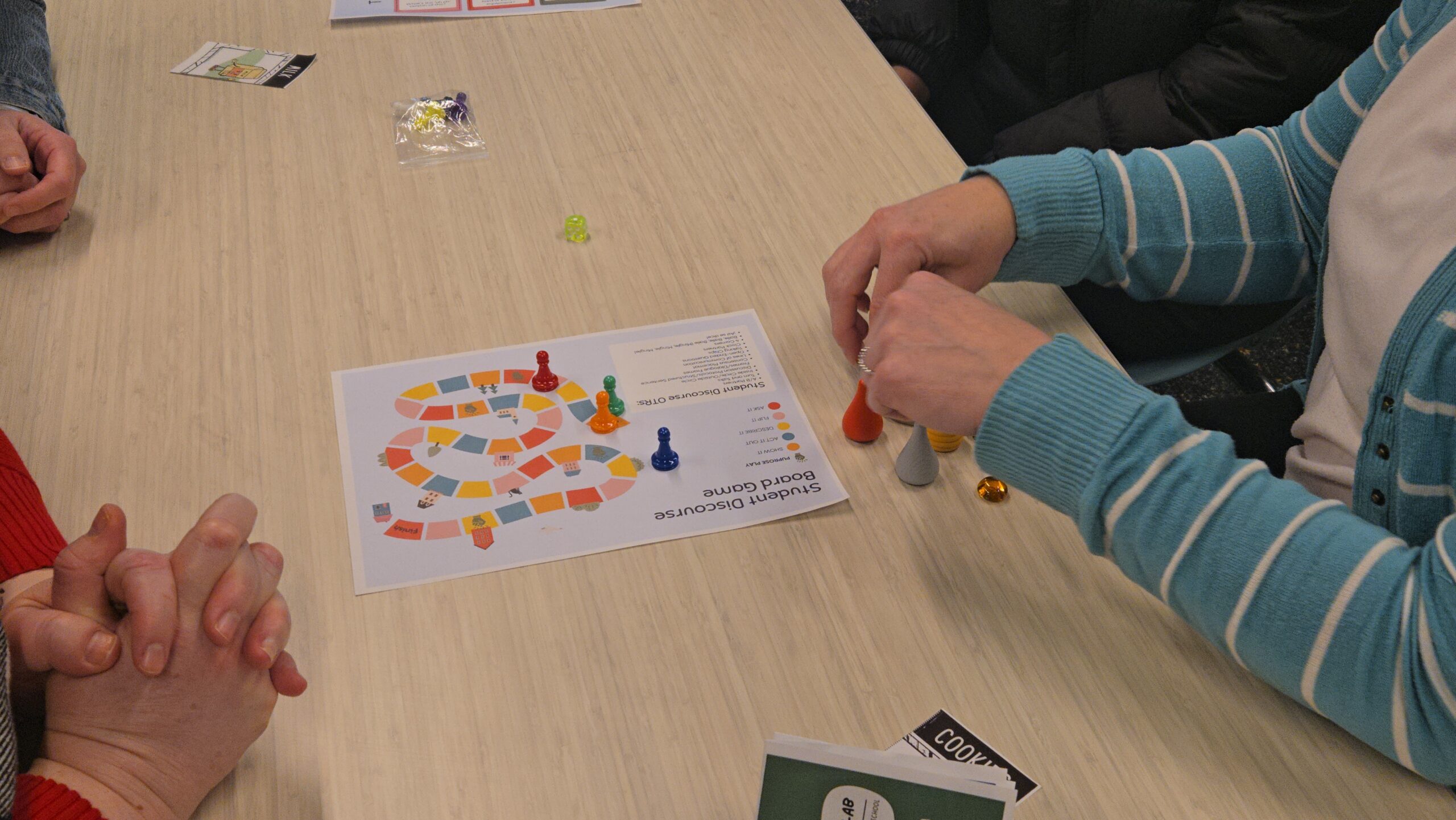
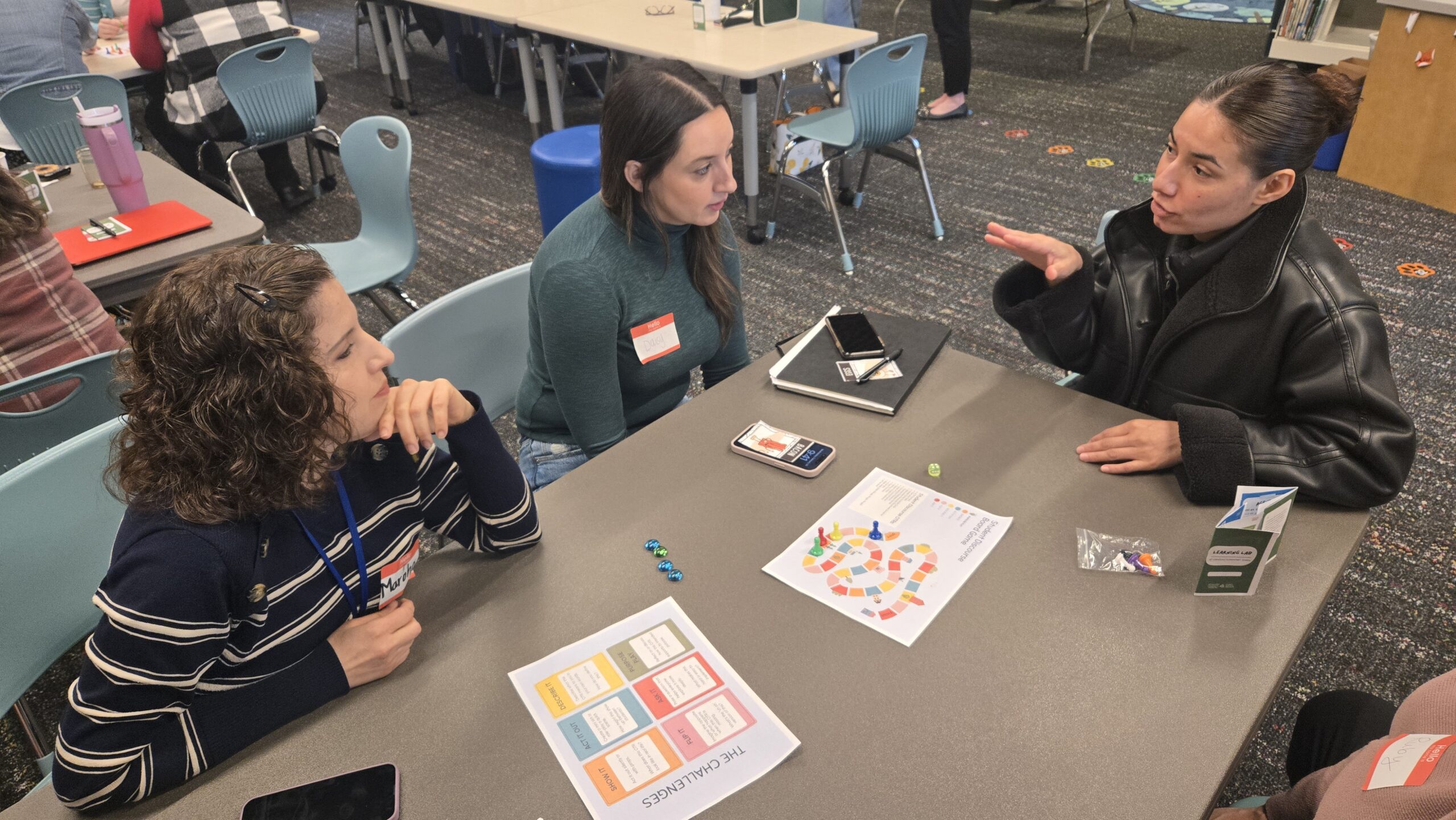
Learning Labs are hands-on, classroom-connected professional learning experiences. Educators come together to observe instruction, notice patterns, learn from one another, and leave with small, practical steps they can try right away.
Principal Angella Graves helped frame the day by reflecting on Cornelius’s journey with Children’s Institute’s Early School Success work. She highlighted change ideas and progress over time, including practices like monitoring attendance and using behavior logs to track patterns and support communication within teams.
What is Student Discourse and why now
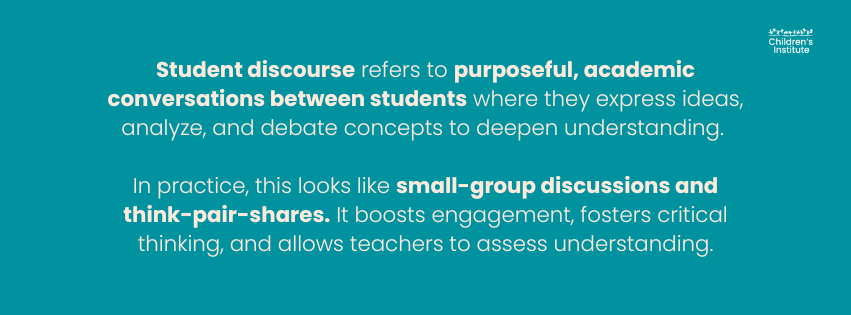
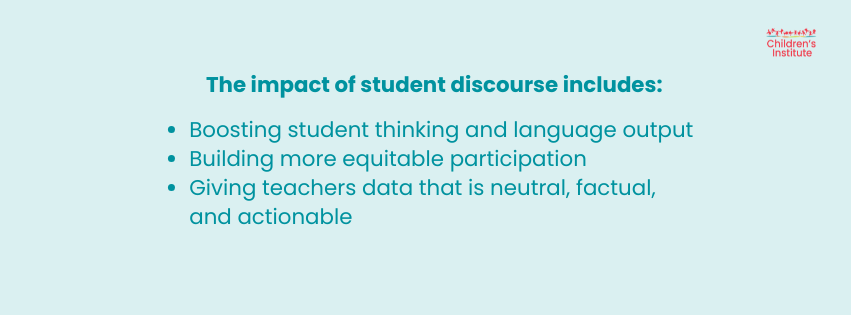
Educators at Cornelius Elementary shared that when students wrestle with ideas out loud, they refine their understanding in real time. Purposeful academic talk strengthens literacy, builds confidence, and helps students develop communication skills they will use well beyond the classroom. The Learning Lab also gave a shared way to see student discourse in action.
Because P-3 alignment depends on consistent, developmentally responsive practices across early grades, seeing discourse in action was especially powerful. The Learning Lab made this visible by giving educators a concrete sense of how routines evolve from preschool through third grade and how shared approaches can support children as they learn and grow.
Children’s Institute plays a key role in creating these cross-grade learning opportunities, helping schools build the structures, tools, and shared vision needed to sustain aligned practice across the early years.
What educators saw across classrooms
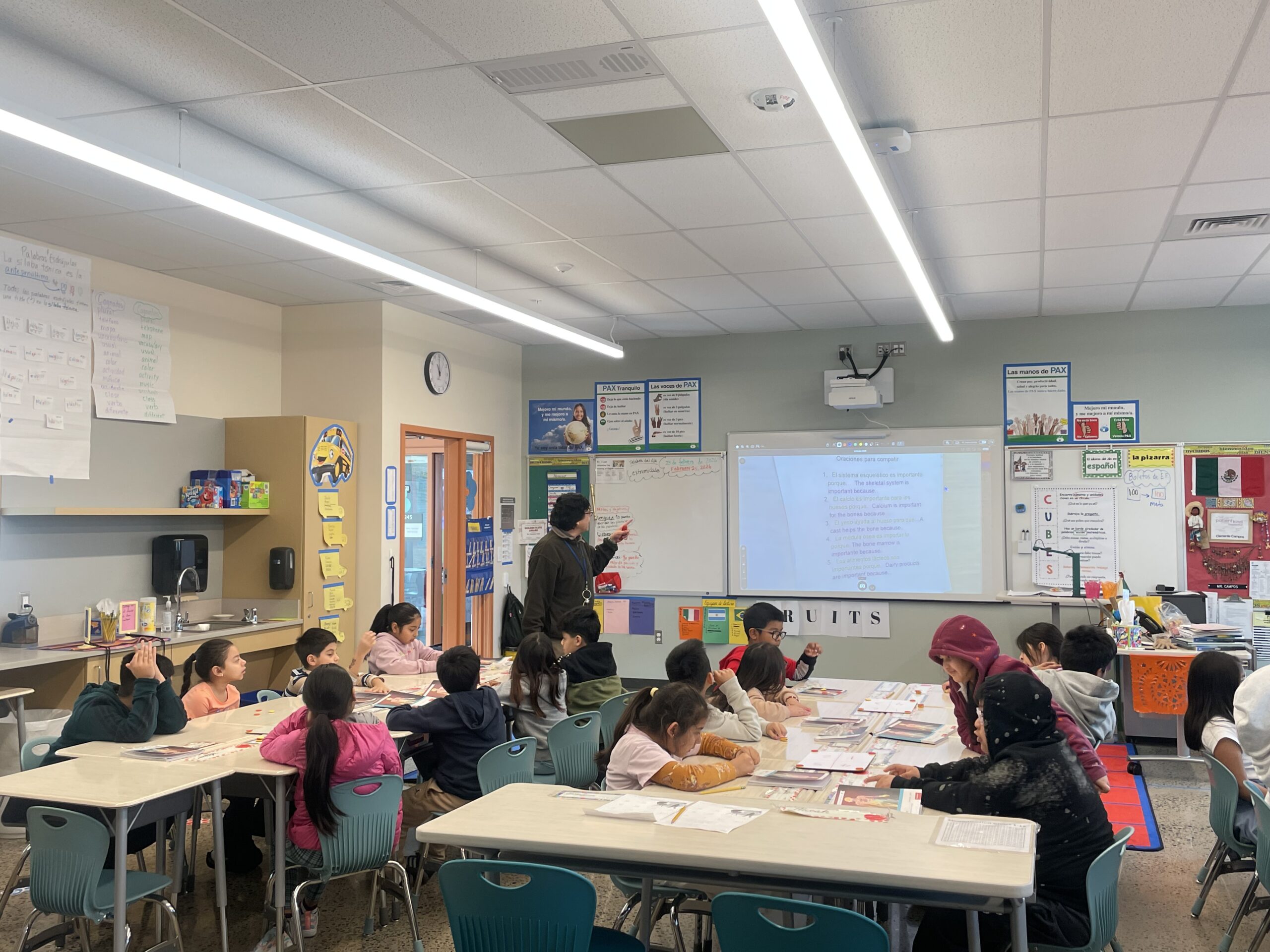
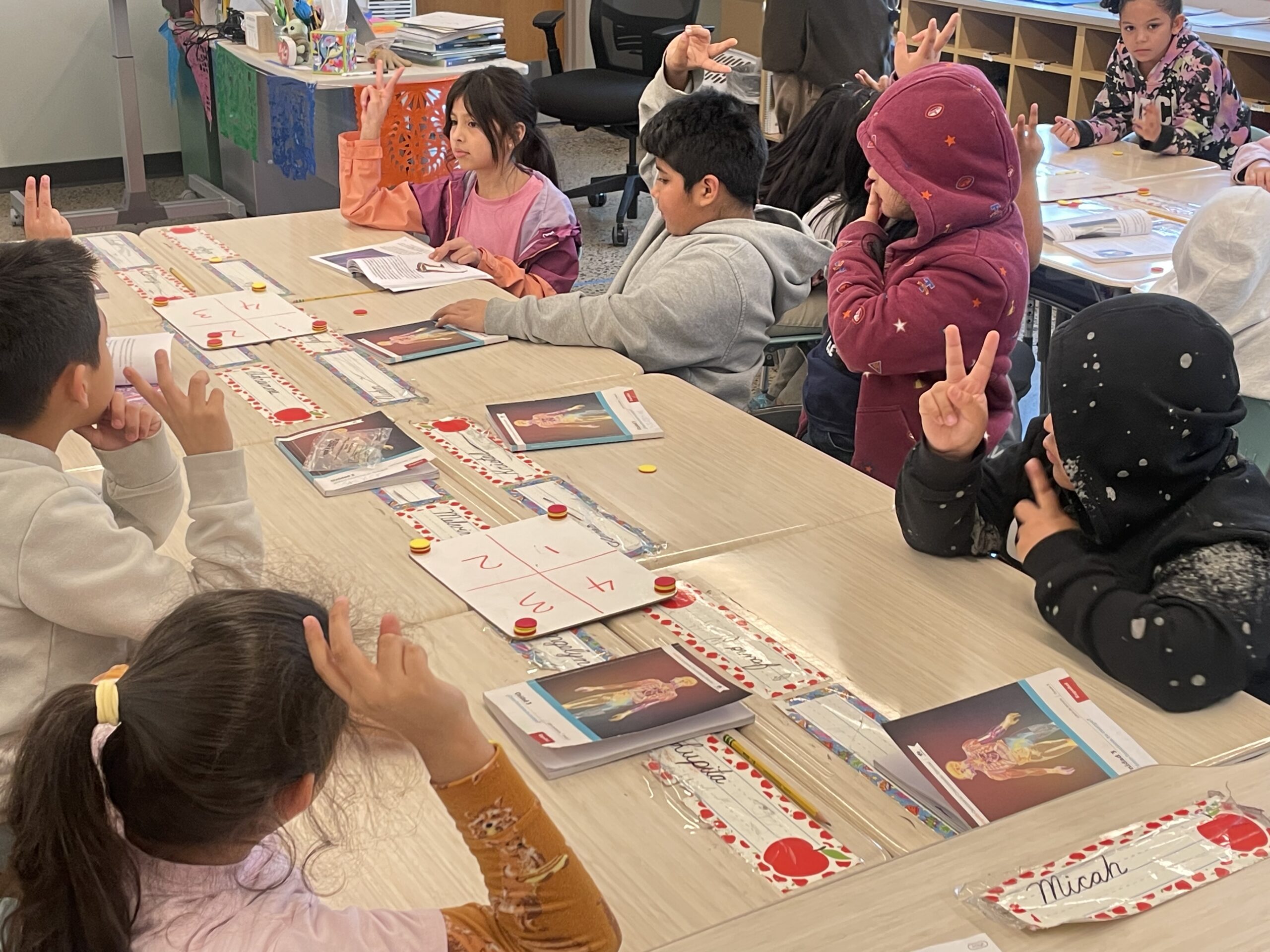
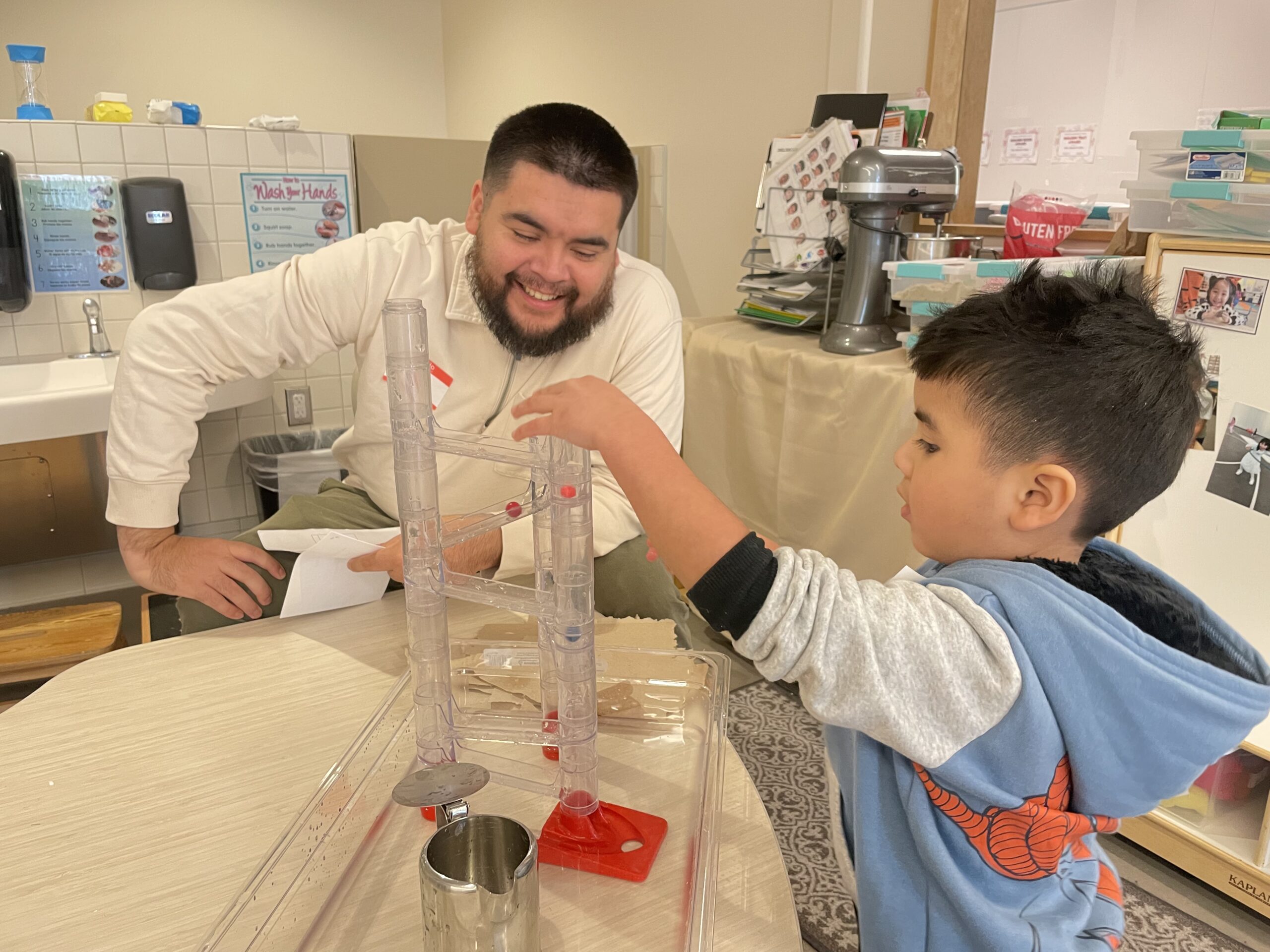
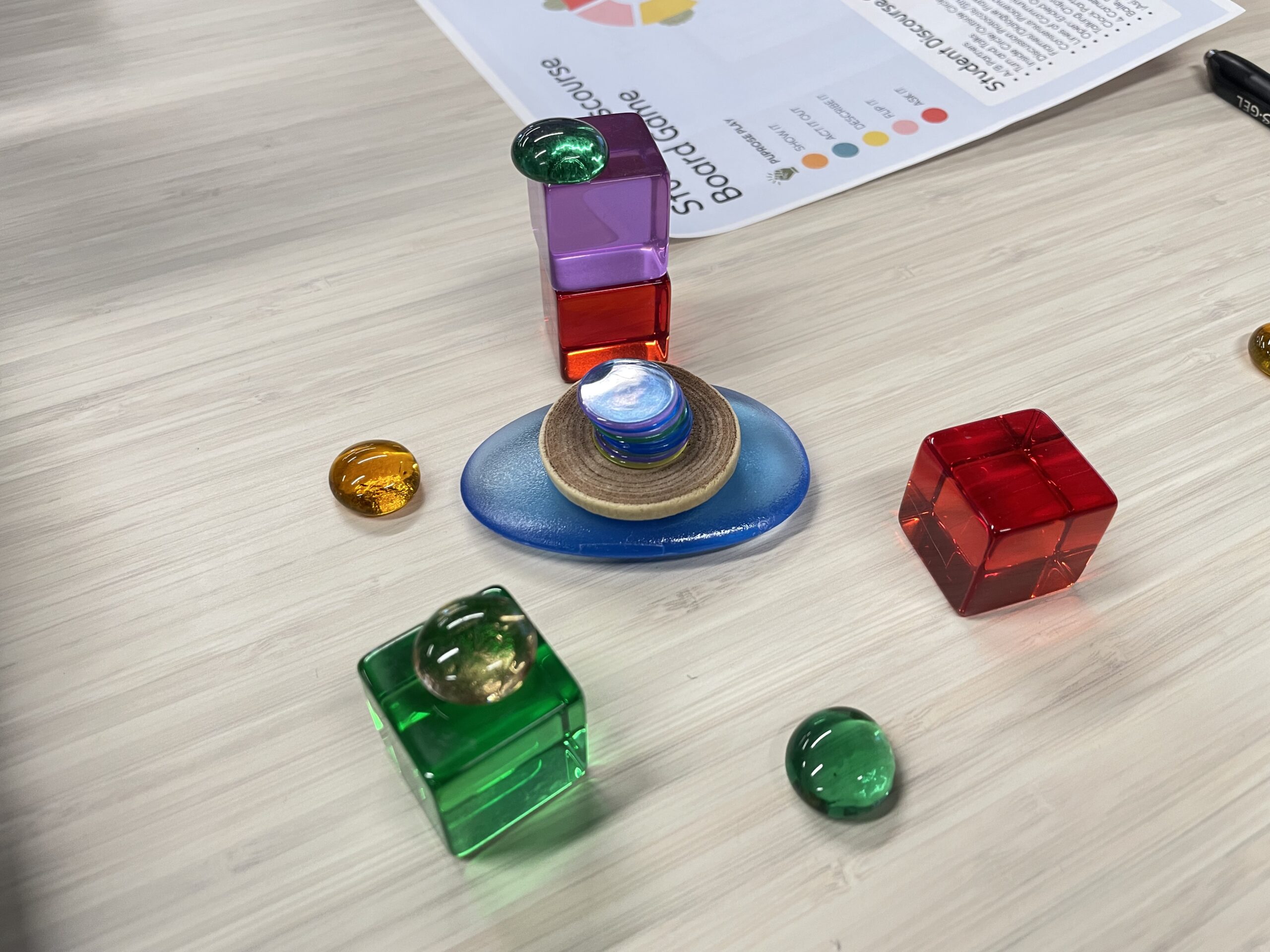
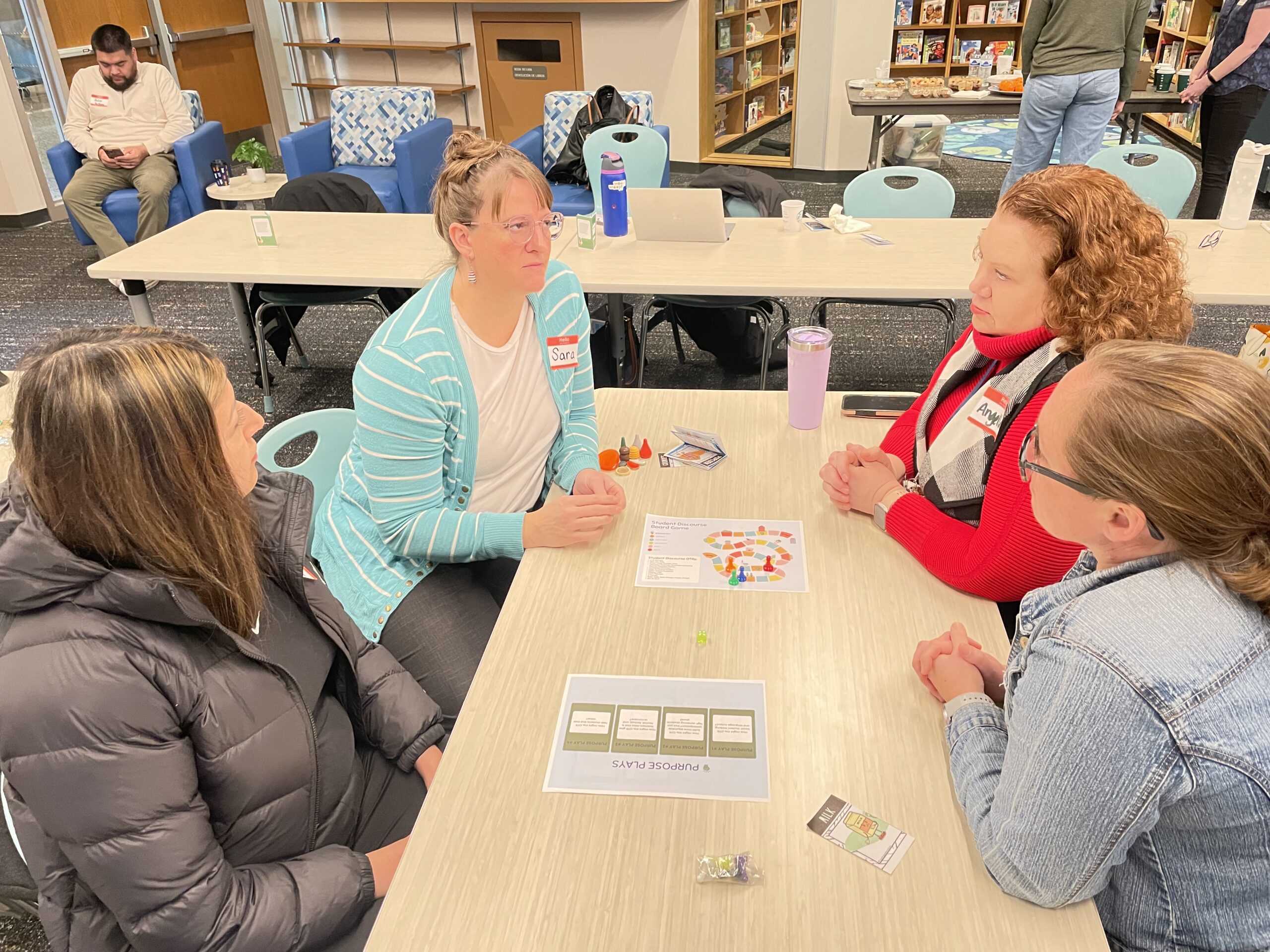
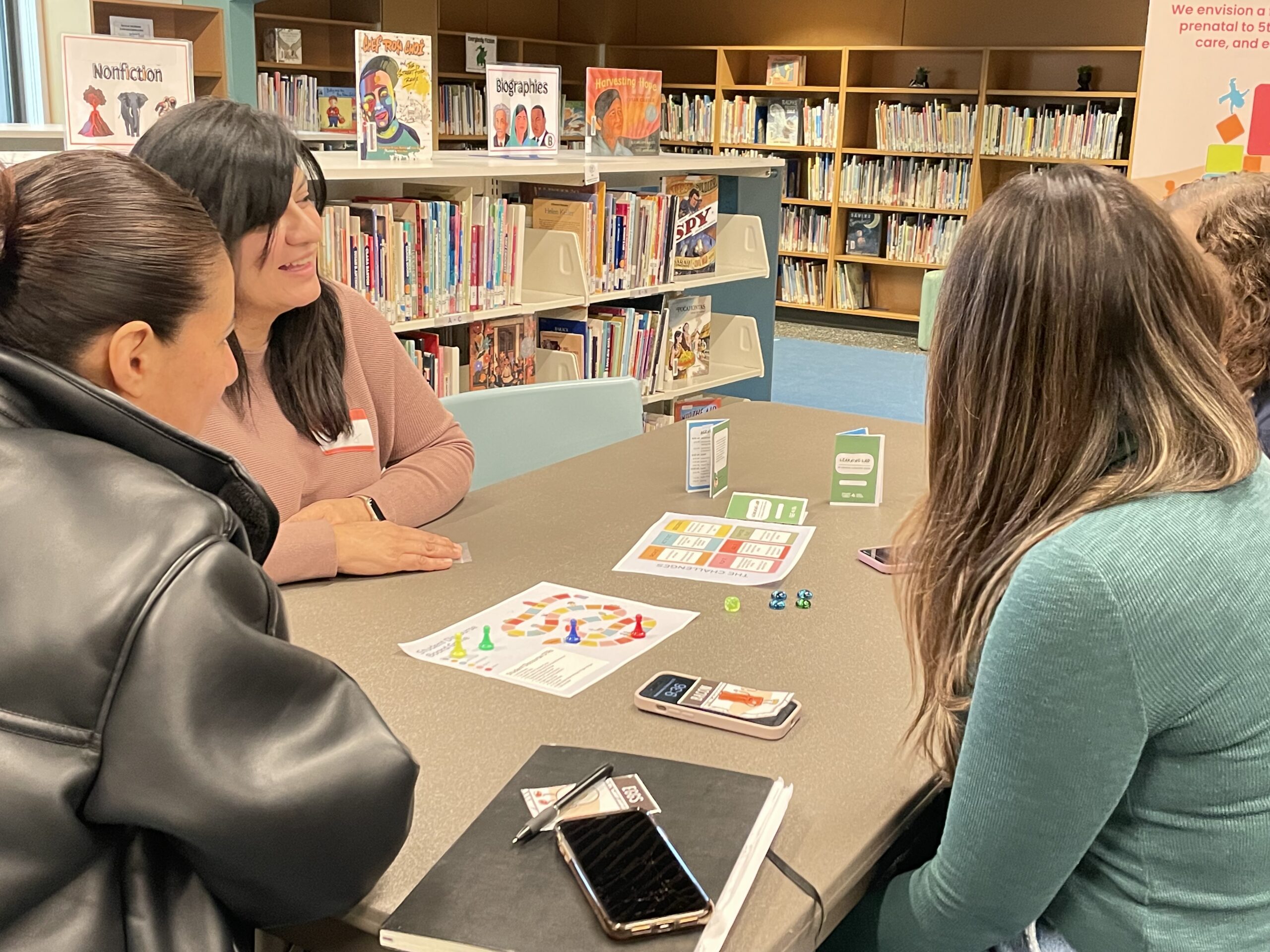
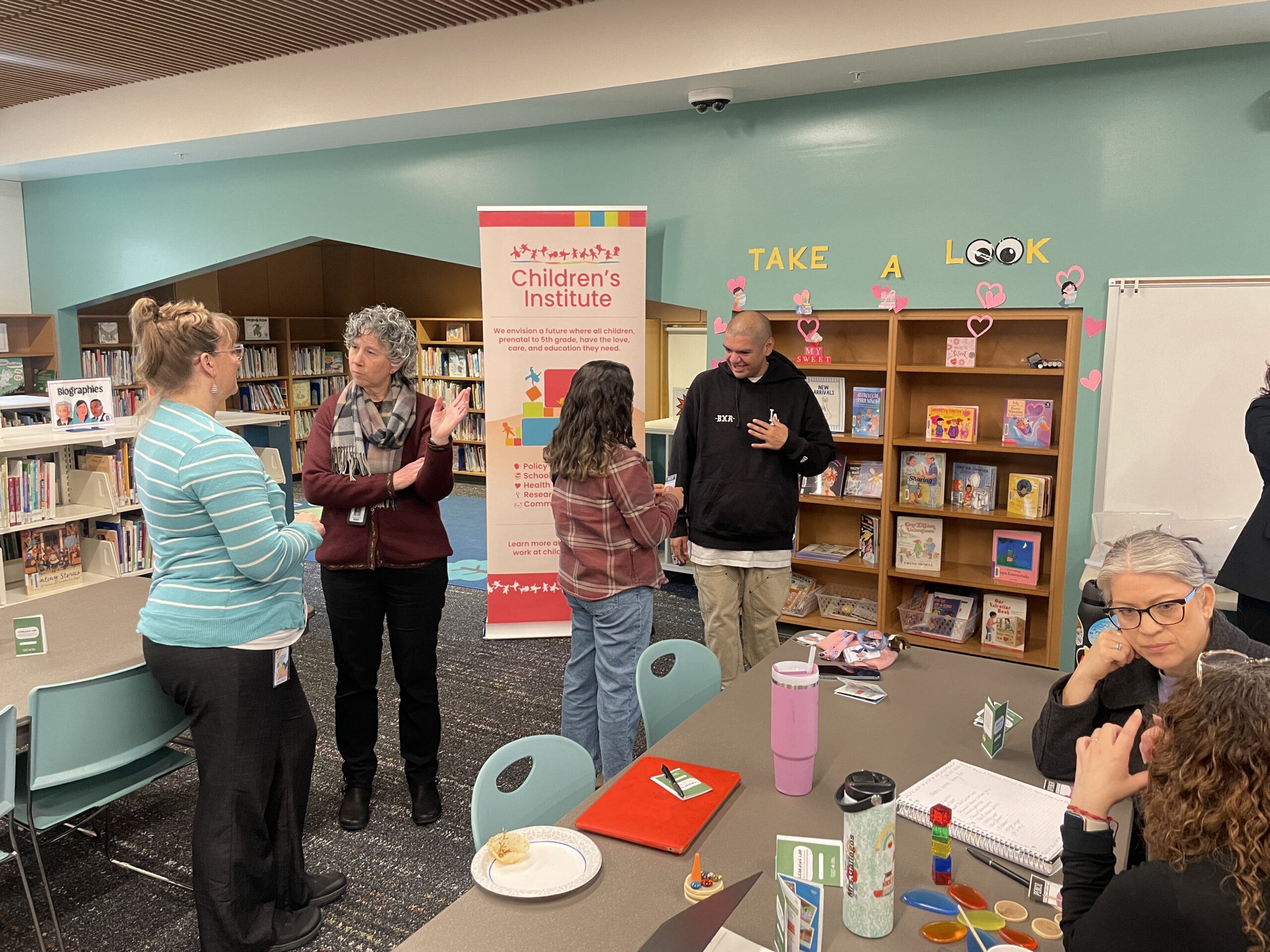
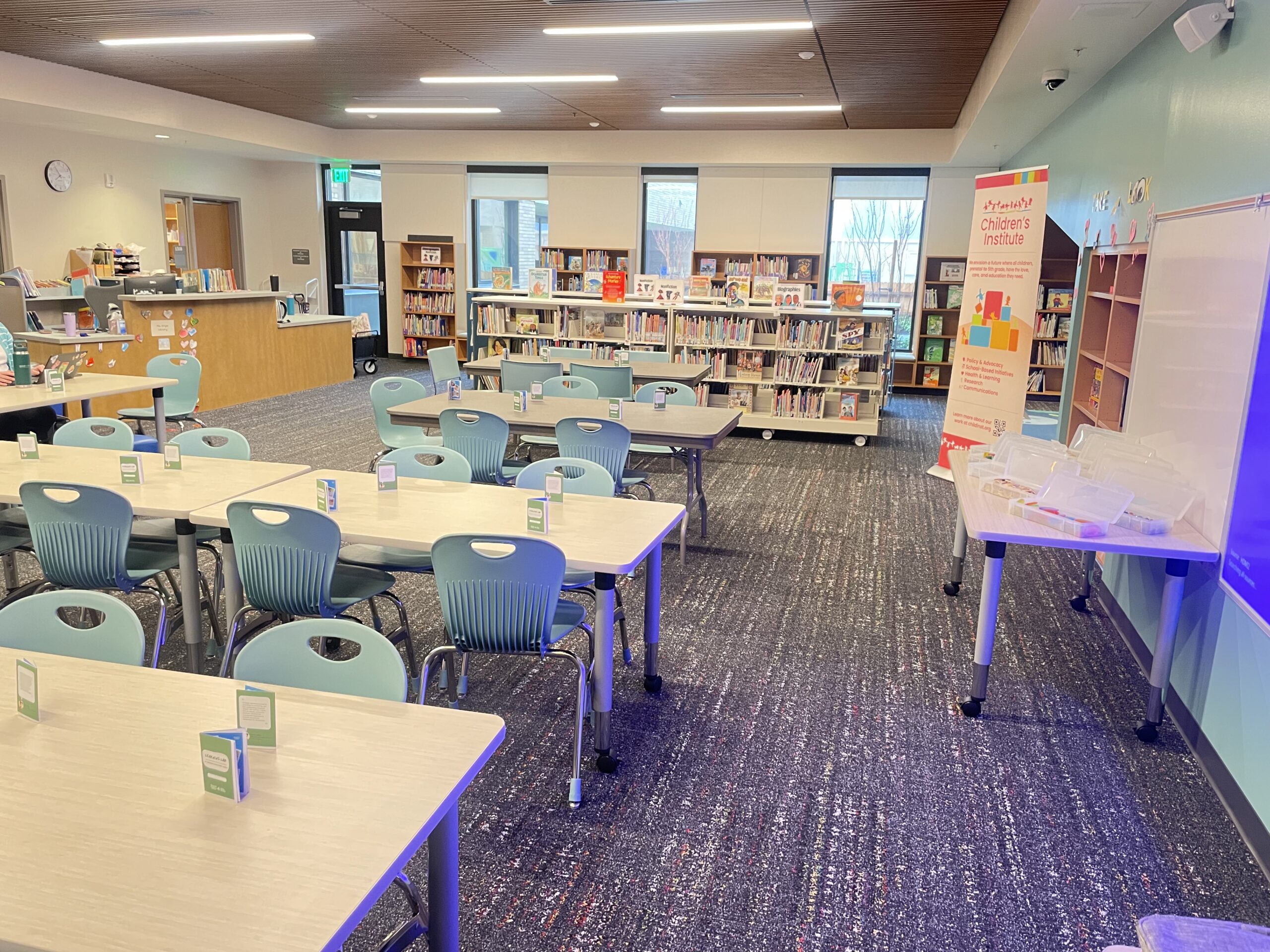
Classrooms observed ranged from preschool through fourth grade, including math, literacy, and preschool centers. Across grade levels, the forms of discourse looked different, developmentally, instructionally, and culturally, but the underlying question remained the same: Who is talking, and is that talk supporting learning?
Educators named the stark contrast between preschool and kindergarten, where preschool felt rich with play, social-emotional learning, and student-driven exploration, and kindergarten became more structured and academic. Participants discussed how the transition can be tough, and how important it is to preserve opportunities for exploration, collaboration, and choice as students move into more formal learning expectations.
From learning to action
The day closed with action planning. Teams identified strategies they wanted to try over the 30 days naming what they would implement, why it mattered and how they would know it was working.
Educators shared appreciation for the collaborative and meaningful tone of the day. “It was nice to have time with colleagues from different schools and learn together,” one participant shared. “The flow of the professional development was excellent and meaningful,” said another.
By the end of the Learning Lab, the image of those preschoolers at the library window lingered.
This work is not abstract. It is about creating classrooms where every student, starting with the earliest learners, has access to language, thinking, and belonging.
When schools design for student discourse, they strengthen learning.
And they make sure that the next time students peek into a room full of educators, they are looking into a system that is building spaces where their voices will be heard.
Partner with Children’s Institute to strengthen school-based early childhood supports. Learn more.