

Across Oregon, multilingual learners make up a growing share of students, creating an opportunity to design classrooms that reflect and build on the languages, cultures, and identities they bring.
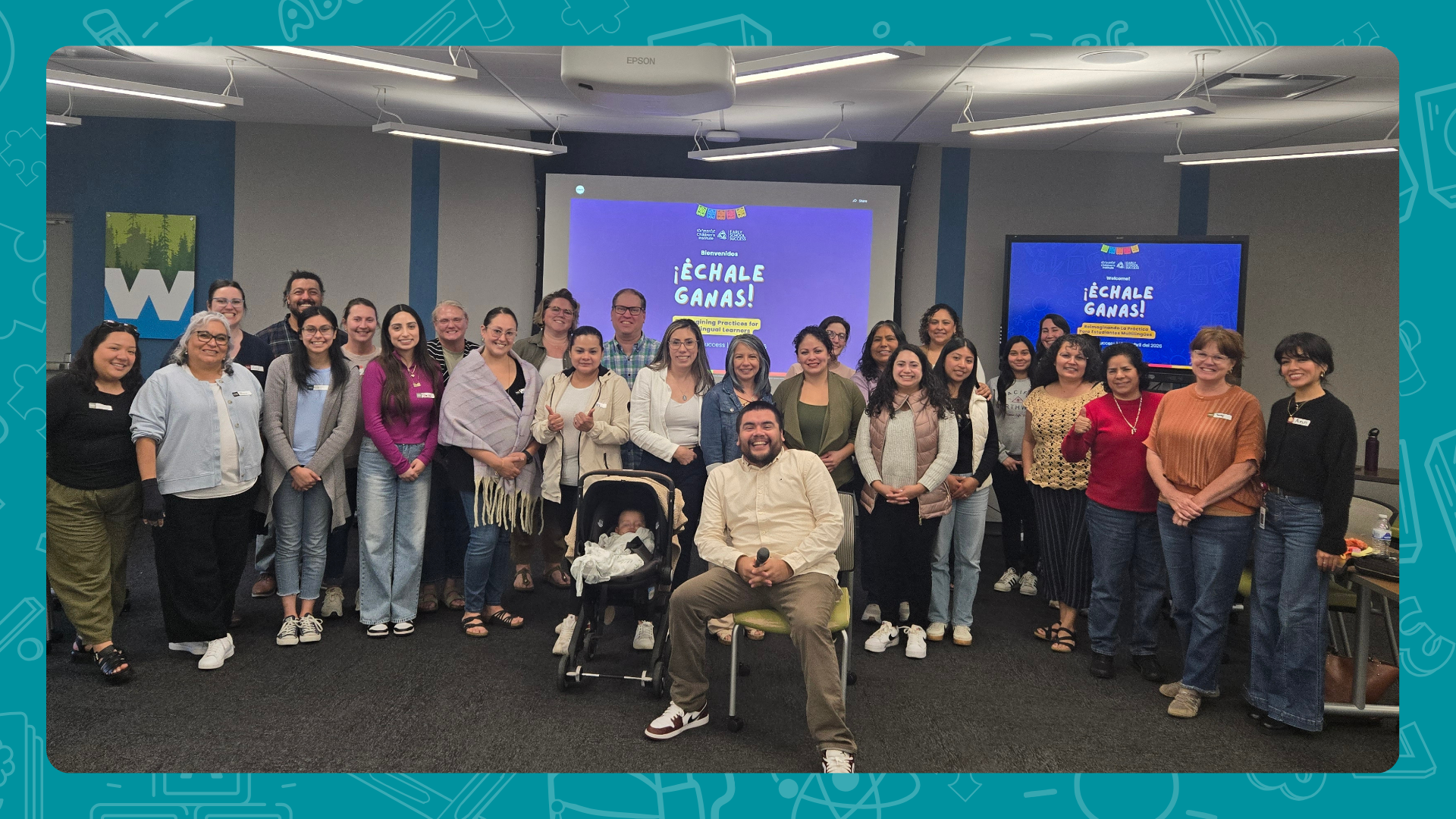
On April 10, educators from across Oregon gathered in Salem for Échale Ganas, a bilingual professional learning experience focused on reimagining classrooms to support multilingual students and families.
Participants included preschool and elementary educators from districts and early learning communities across Eugene, Hillsboro, Hood River, Newberg, Reynolds, Clackamas, and Yamhill. Some were attending for the first time, while others had returned after attending the previous session in November – and this time, brought colleagues with them.
That mix of new and returning participants pointed to something growing: a need for professional learning spaces that center multilingual practice and offer educators opportunities to learn from each other across districts and to stay connected to this work over time.
How the day was designed
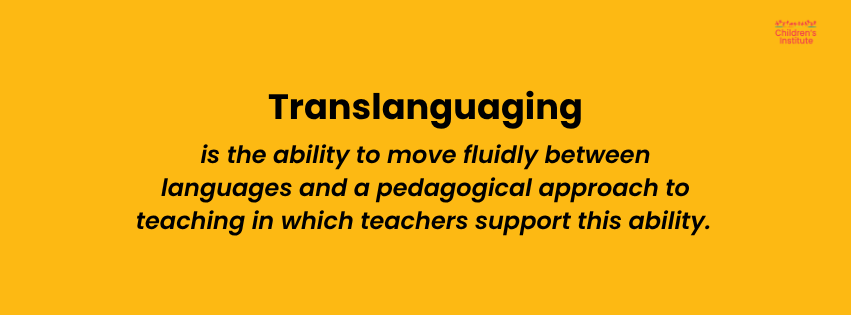
Échale Ganas is designed and led by Julio Bautista, Continuous Improvement Specialist at Children’s Institute. He created the session as a networked learning experience, with classroom practice at its center. Rather than focusing on one approach or instructional model, the day emphasized shared inquiry. It created space for educators to share what they’ve been trying, what’s working, and what they are still figuring out. They were invited to examine their own classrooms/learning environments and consider how multilingual students experience them—visually, linguistically, and socially. As part of that design, the session also introduced translanguaging as a key framework for thinking about multilingual learners.
A shift in how language is understood
Participants engaged with the idea that multilingual learners do not use languages in isolation but move fluidly across them. For many, this wasn’t entirely new; they recognized it from their own classrooms or lived experiences. One participant shared, “Translanguaging is a superpower!” That framing helped reorient the conversation. Instead of focusing on how to manage multiple languages, the focus moved toward how to build from them. Naming it helped bring more intention to how educators can support multilingual learners in their classrooms.
Looking closely at classroom practice
In small groups, participants shared images from their classrooms and early learning settings. Educators described the thinking behind specific choices – such as incorporating family photos at child height, selecting materials that reflect students’ identities, or creating opportunities for students to communicate using their full linguistic repertoire.
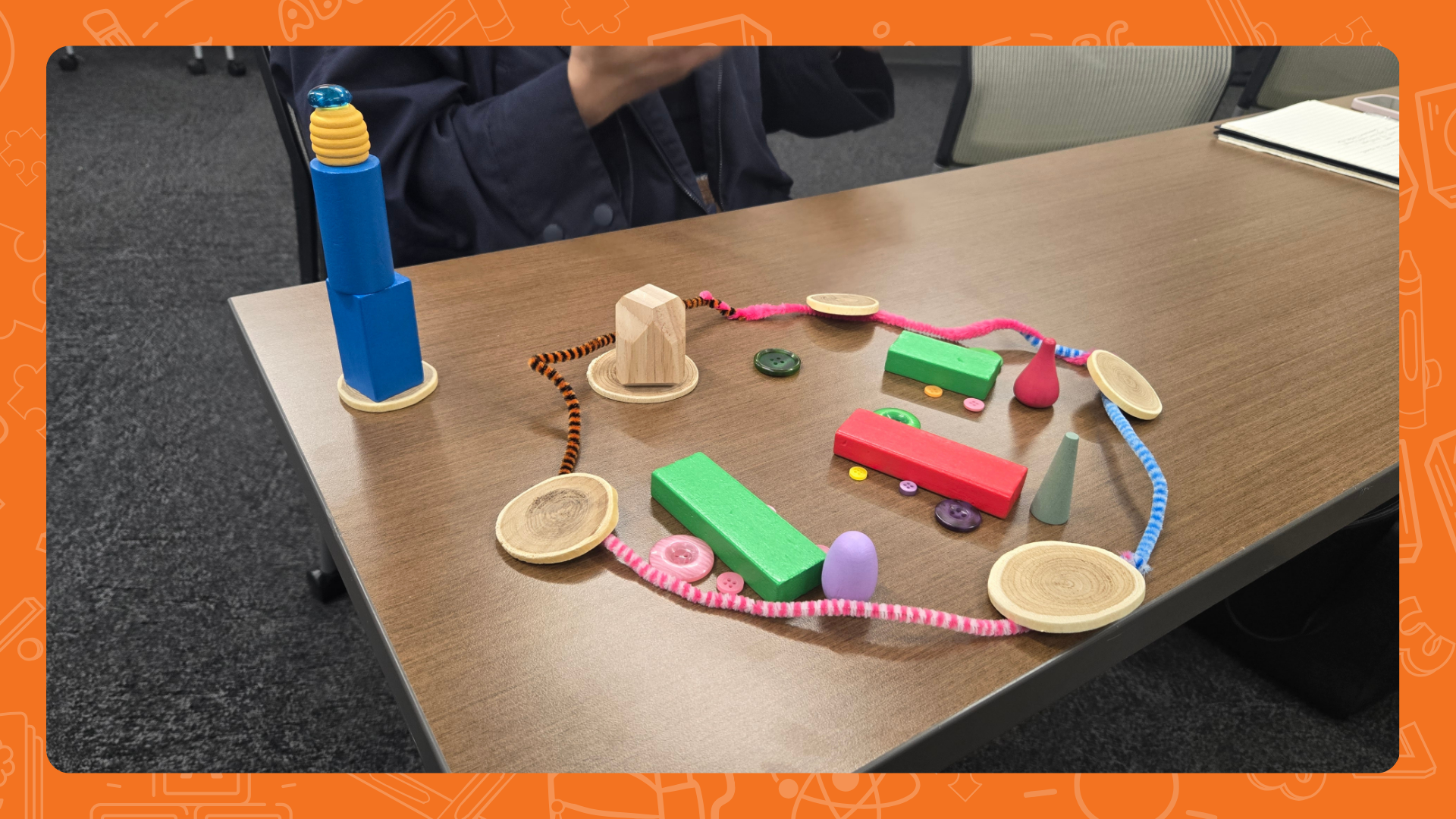
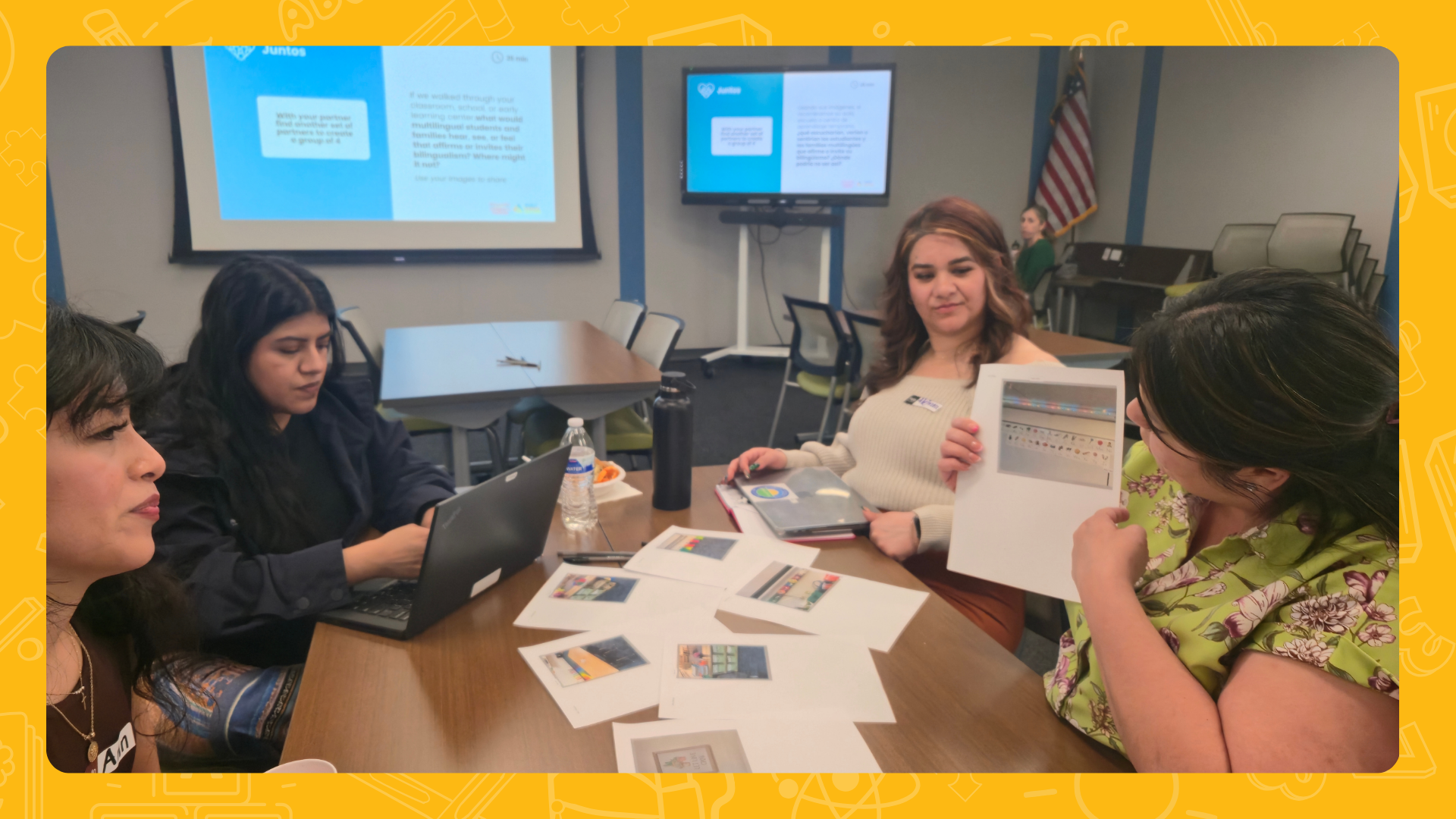
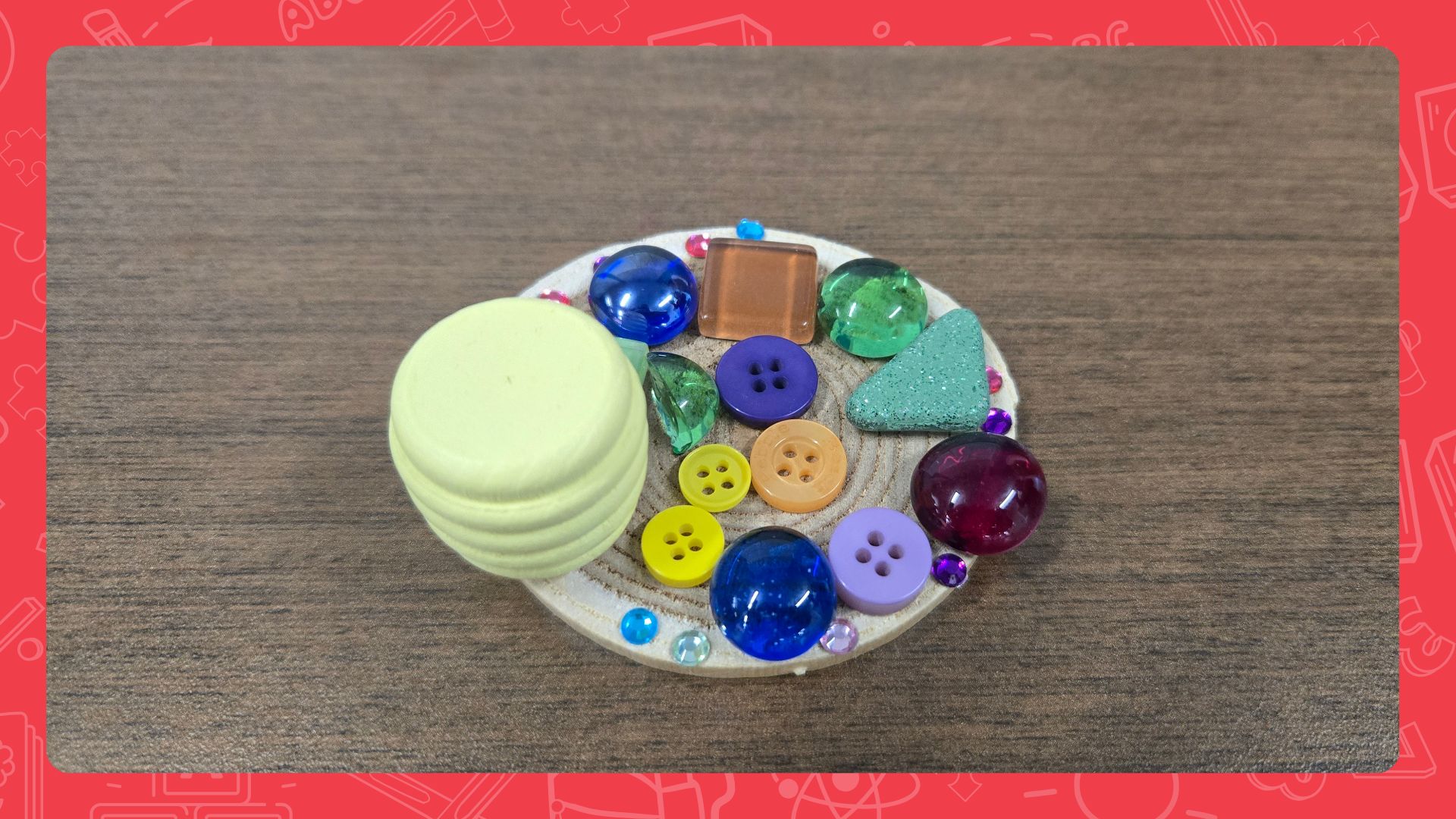
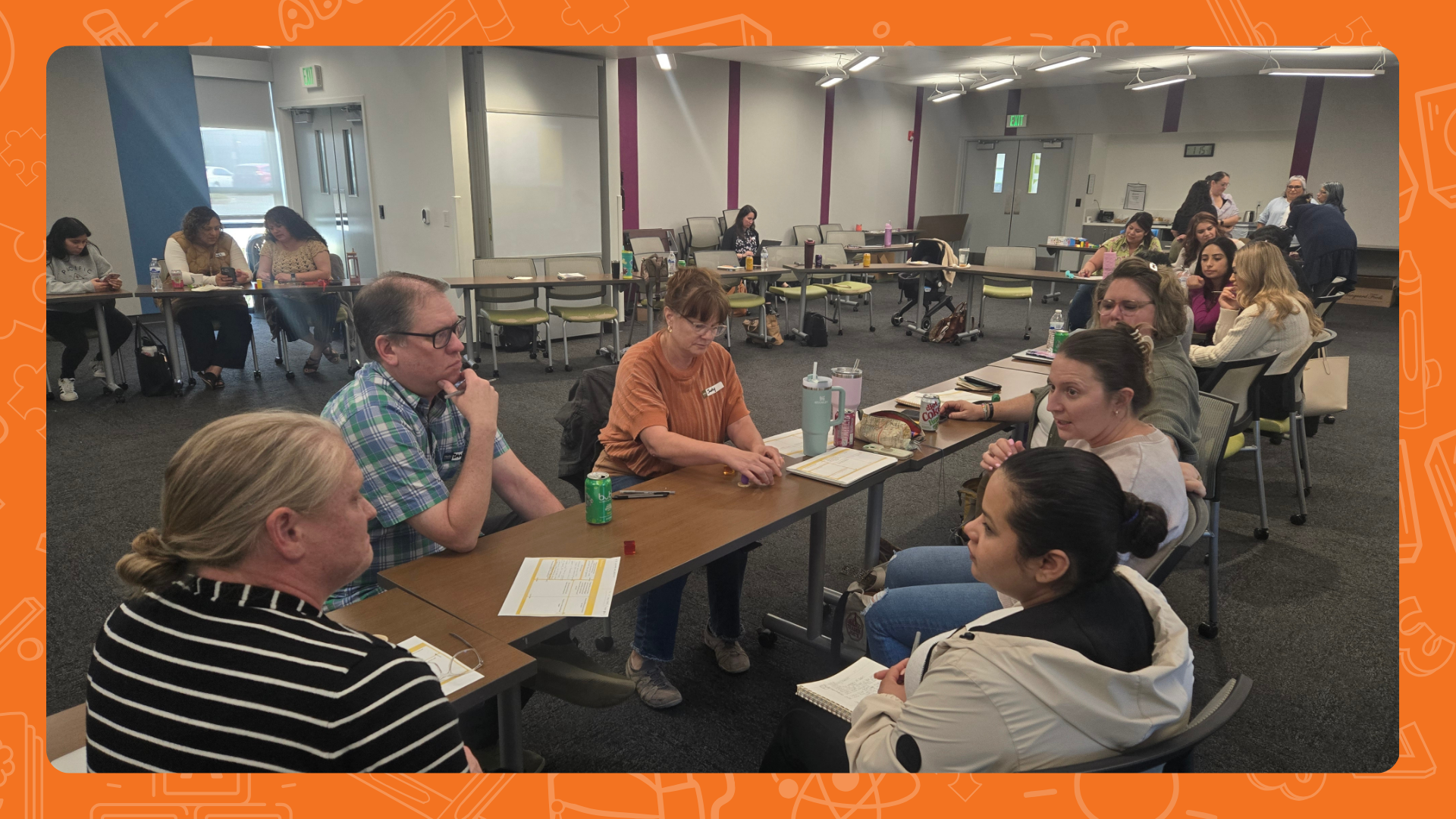
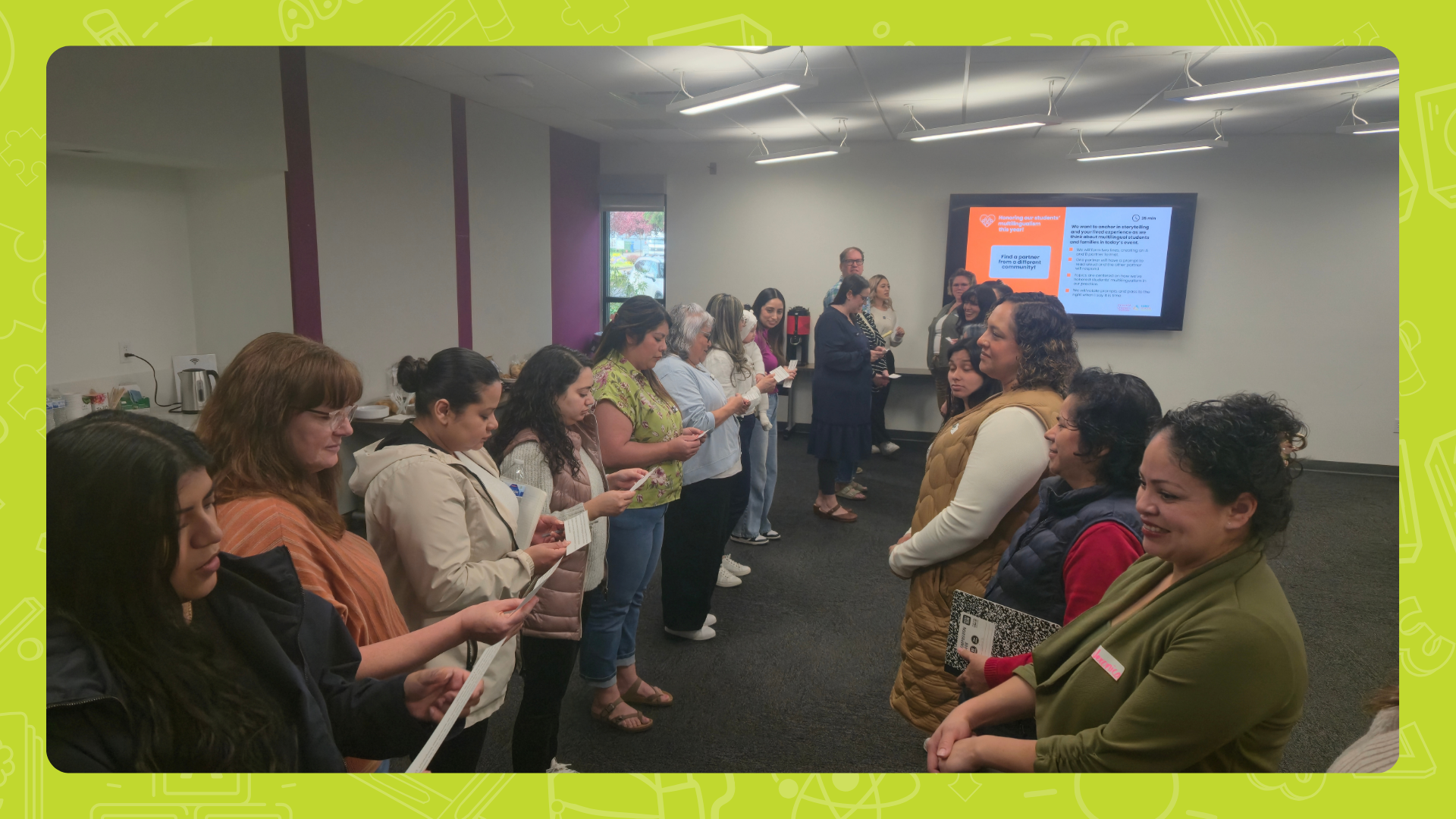
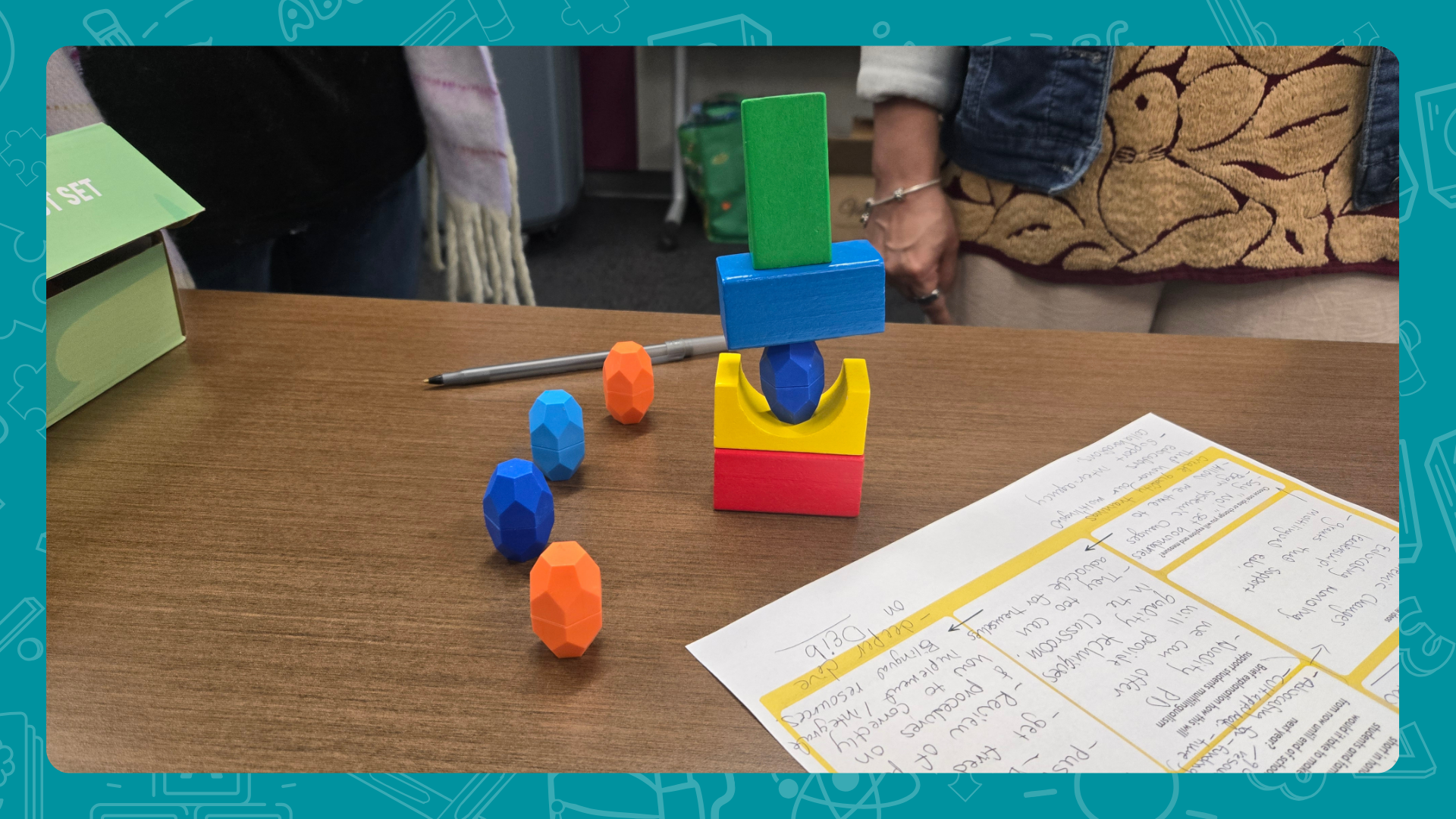
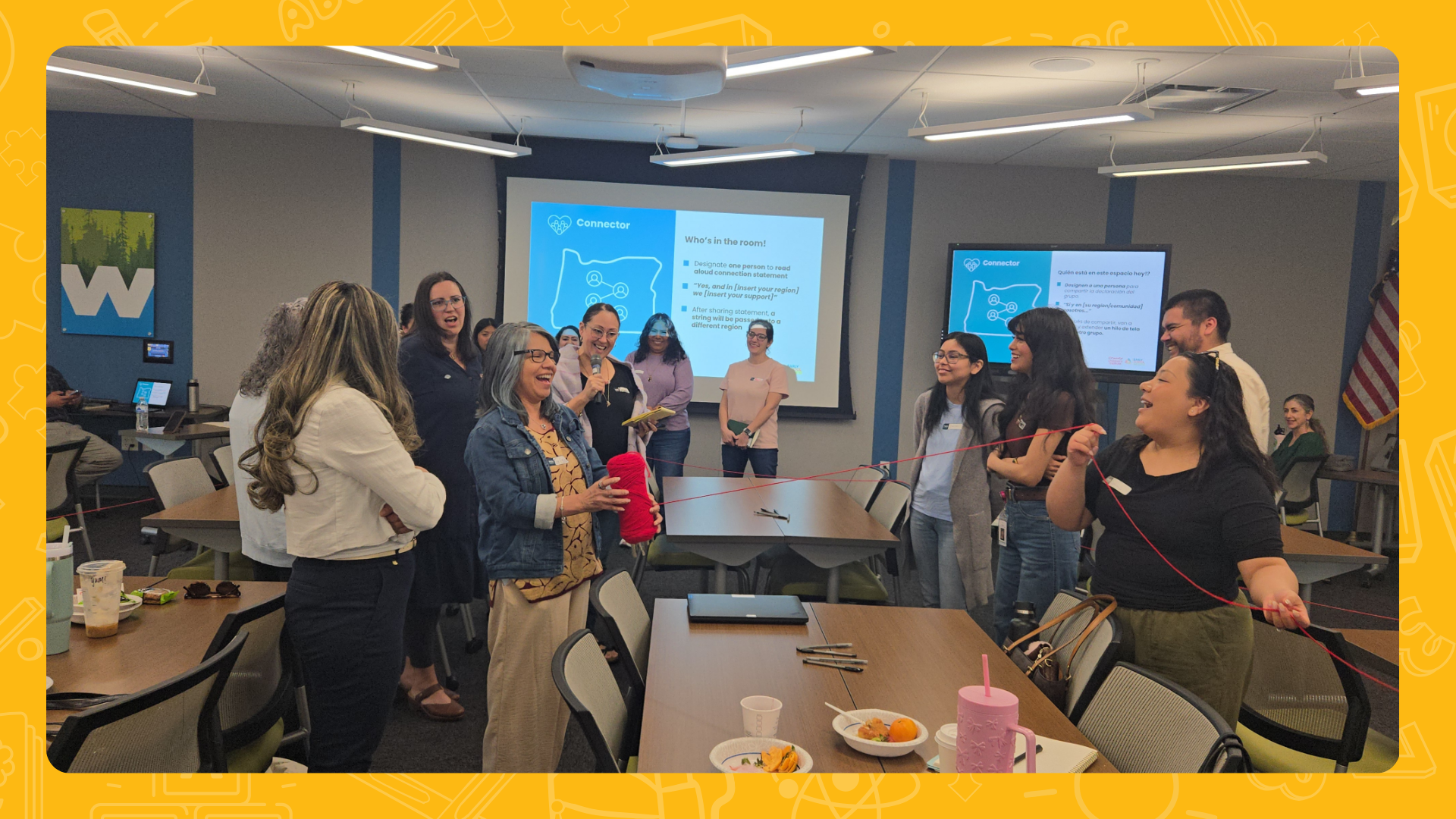
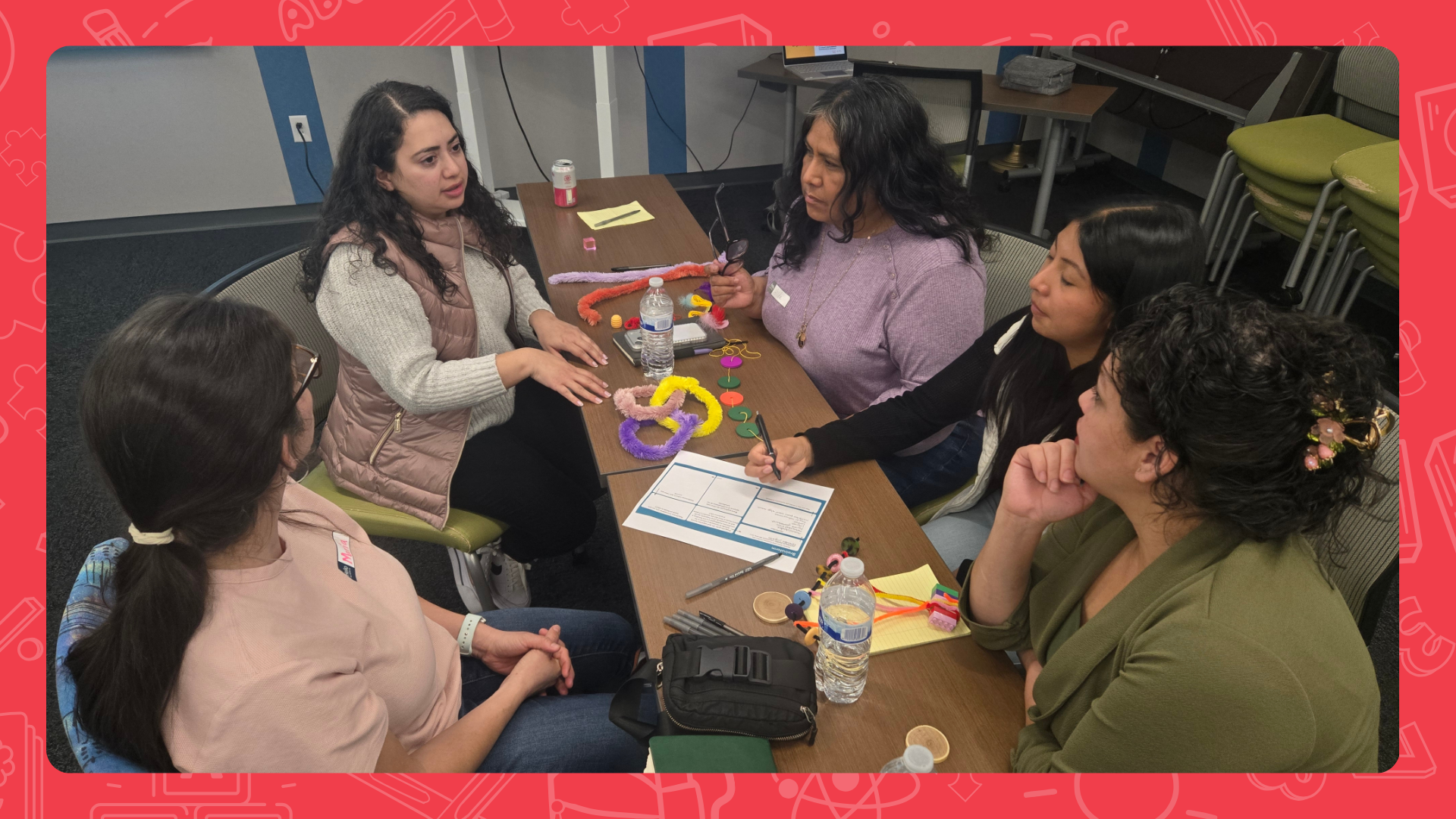
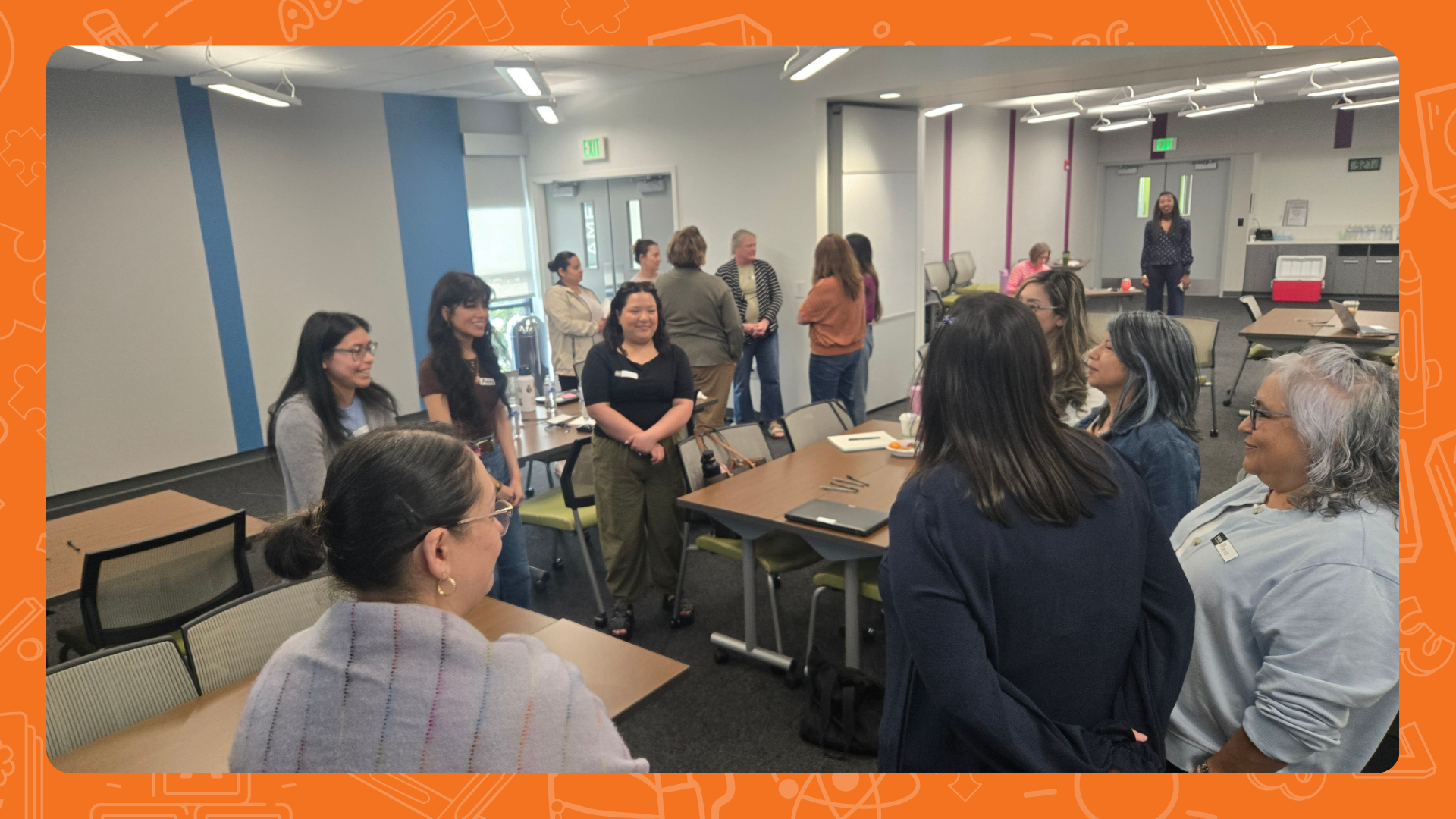
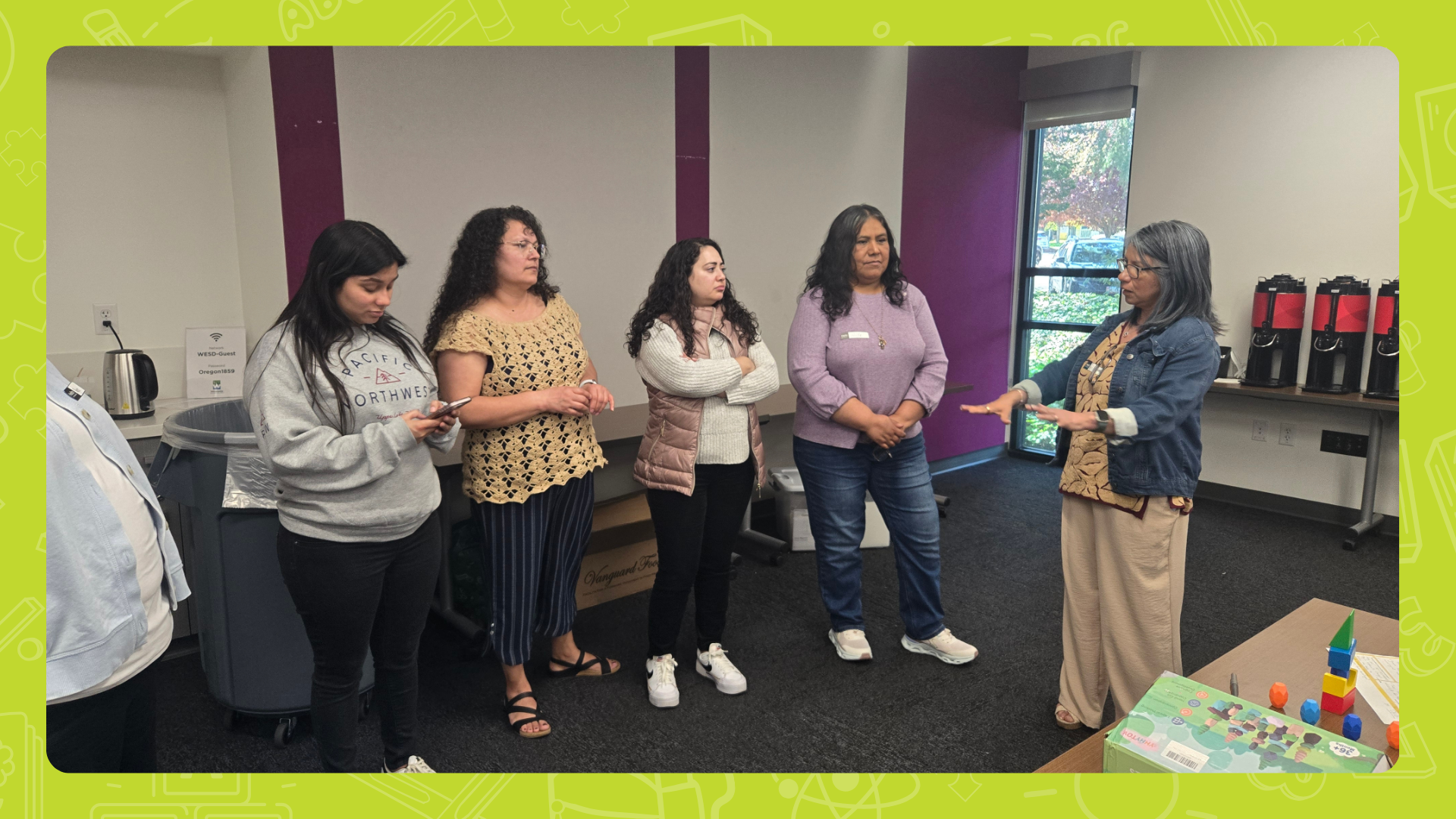
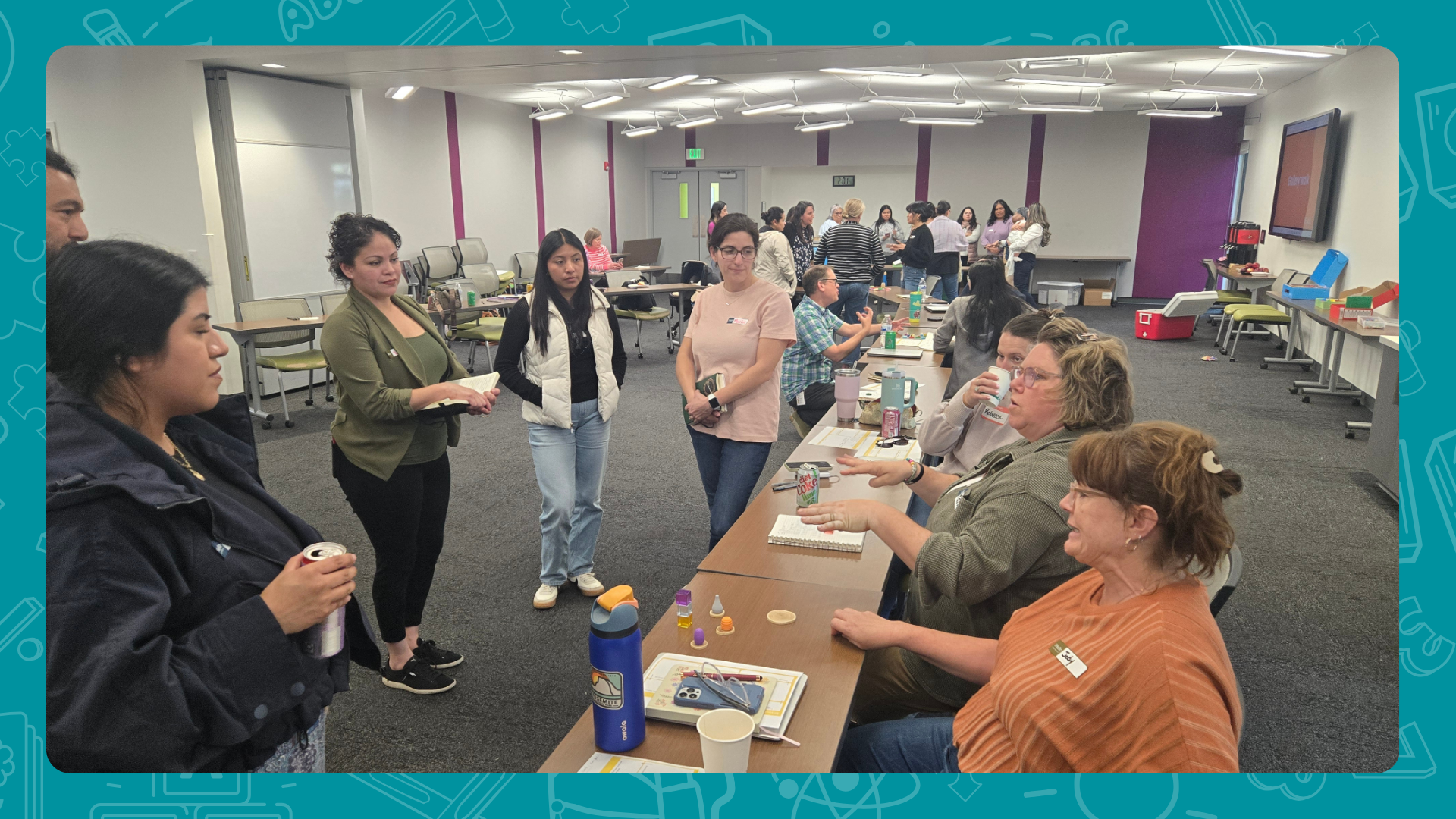
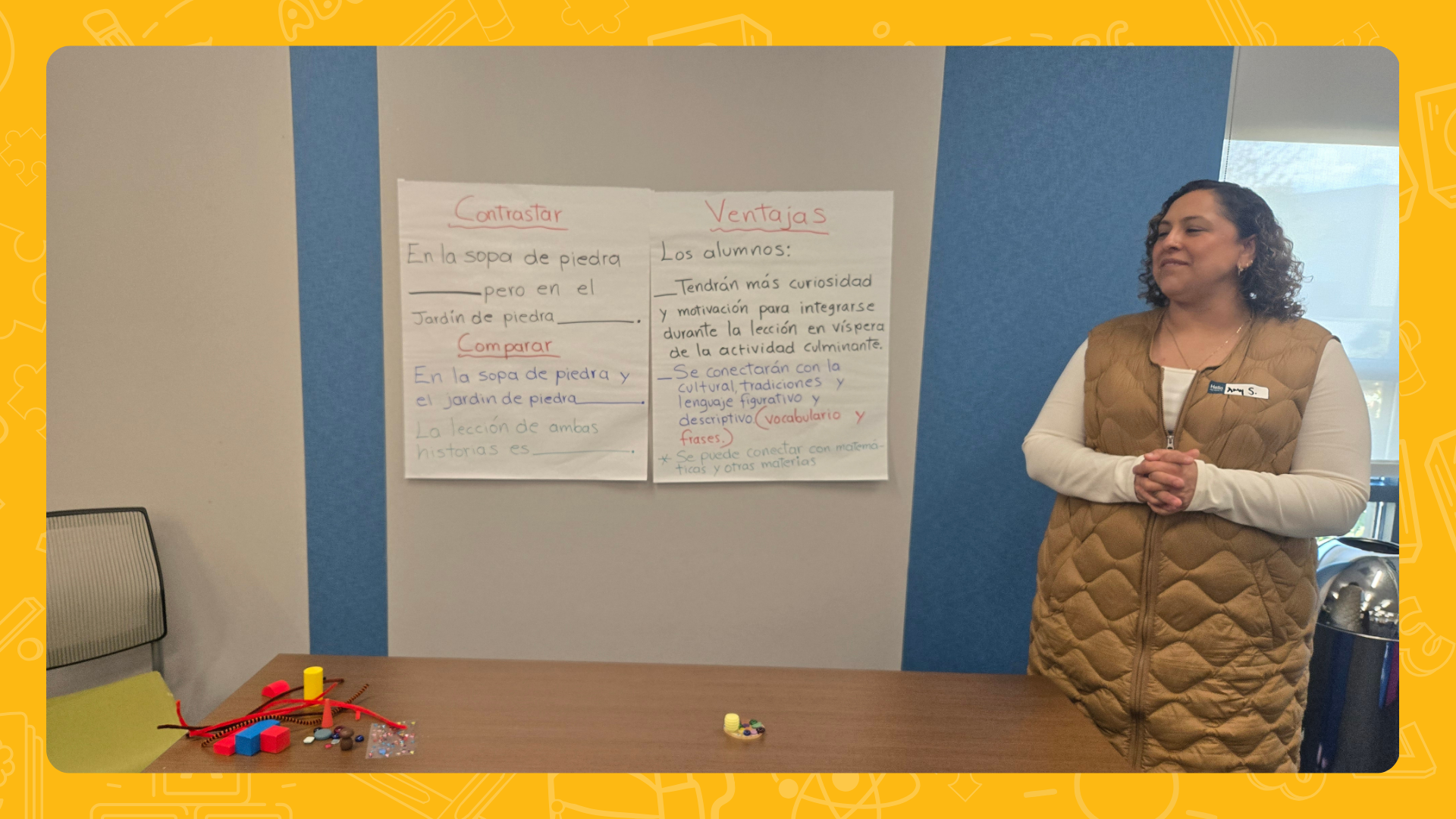
Each example led to a shared set of questions: What would students hear in this space? What would they see? What would they feel?And just as often: what might still be missing?
This focus on classroom environment shifted the discussion towards how classrooms are designed from the beginning – what is visible, what is centered, and what students are invited to bring with them. It also surfaced what educators named directly: the need to move beyond a narrow view of language in schools.
“I am thinking about how other languages and cultures are represented in our school, beyond English and Spanish.”
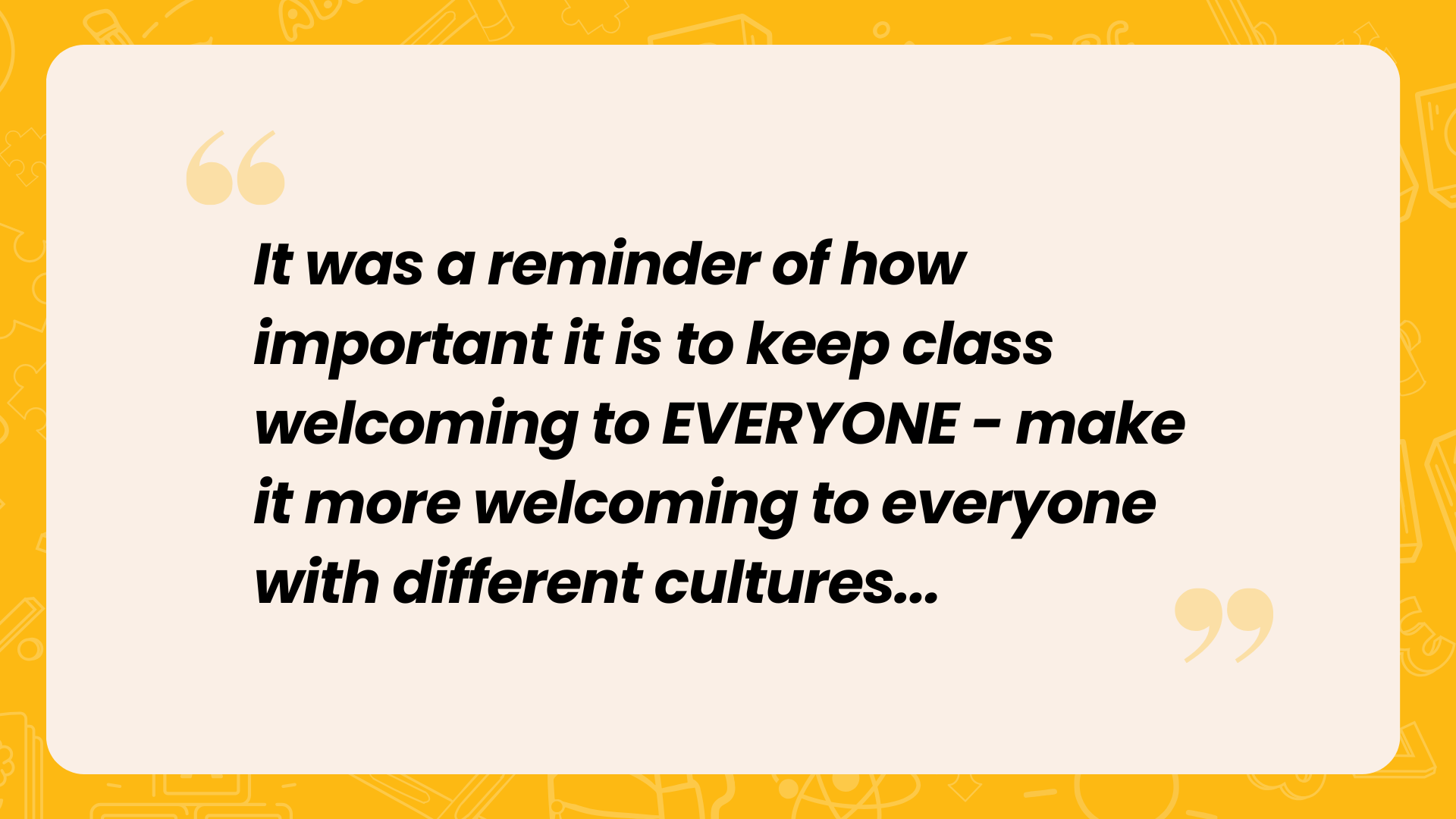
For some, it meant reconsidering whose languages are visible. For others, it meant thinking about how classroom environments can better reflect the full range of students’ identities.
That same fluidity was present throughout the session. Conversations moved between Spanish and English, often without pause. People shared ideas in the language that felt most natural to them, and others followed along, asked questions, and added to the conversation.
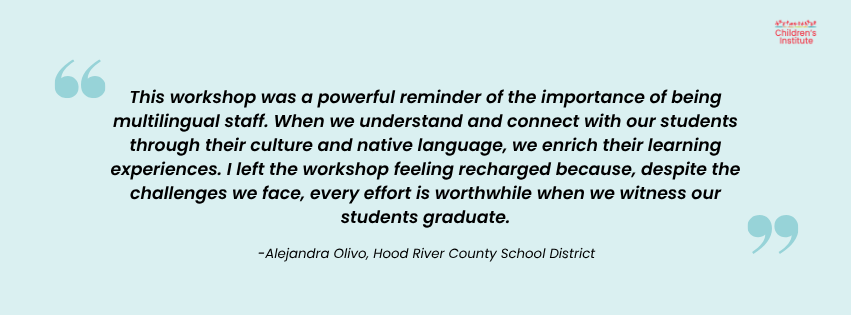
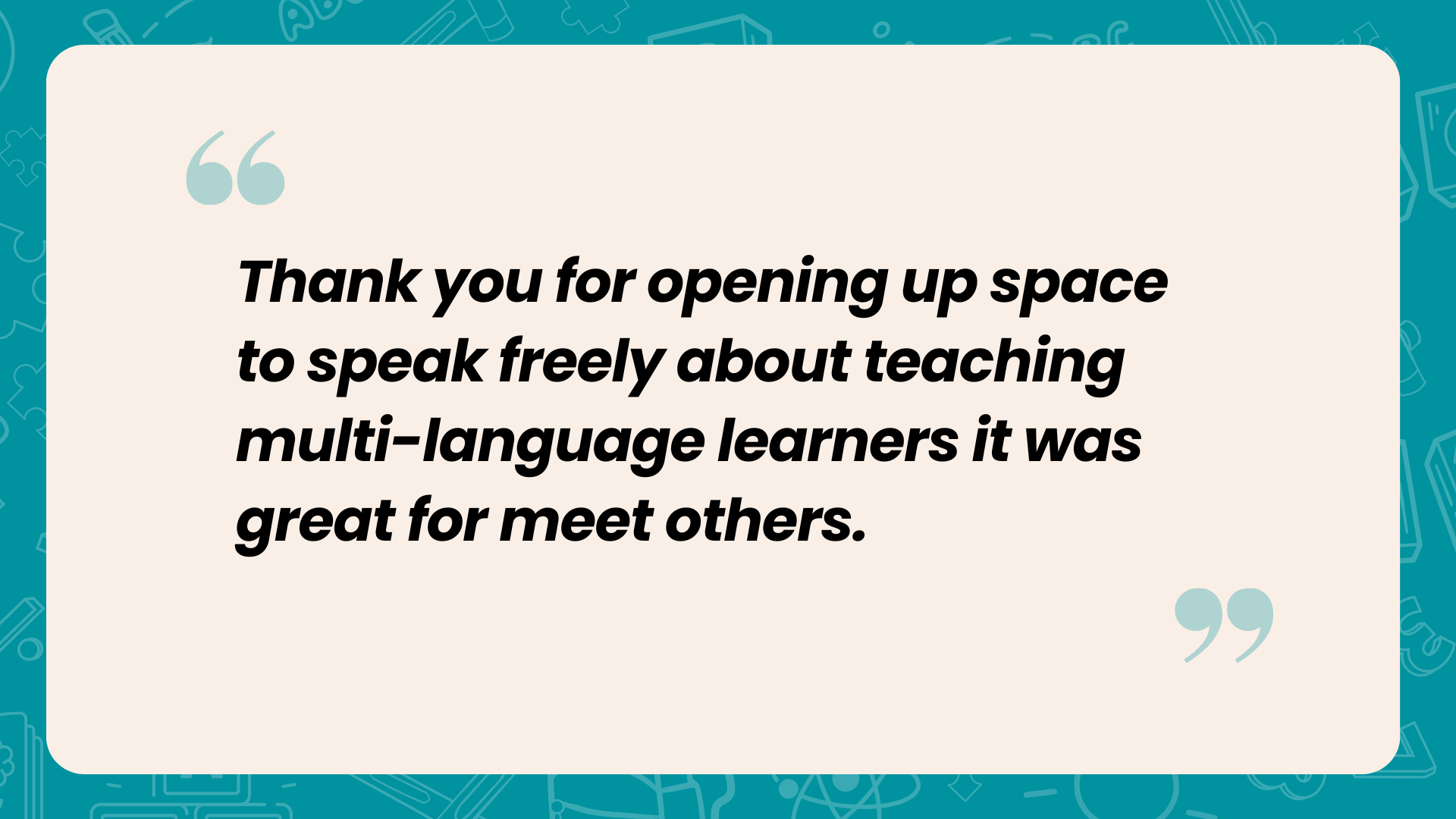
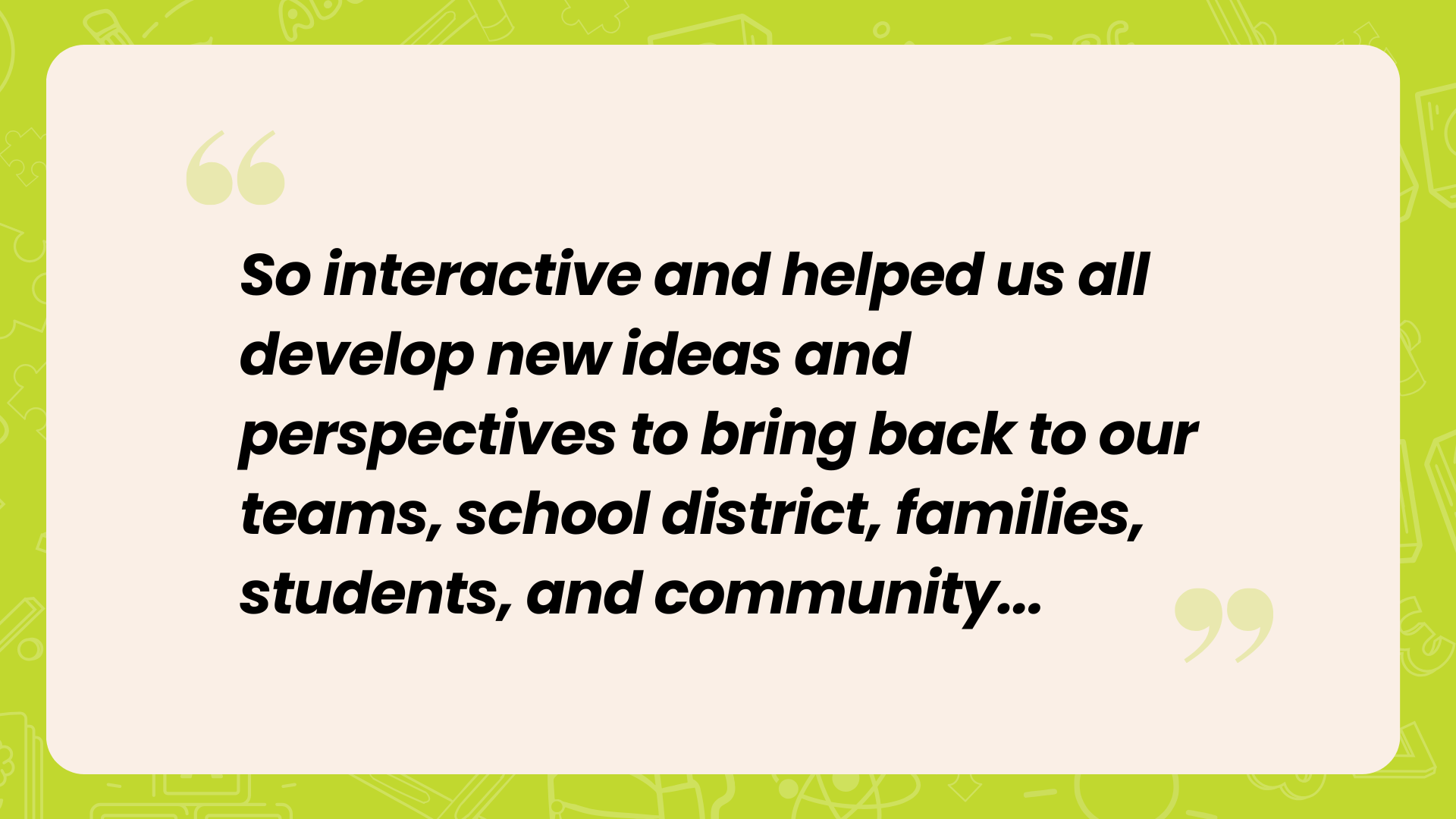
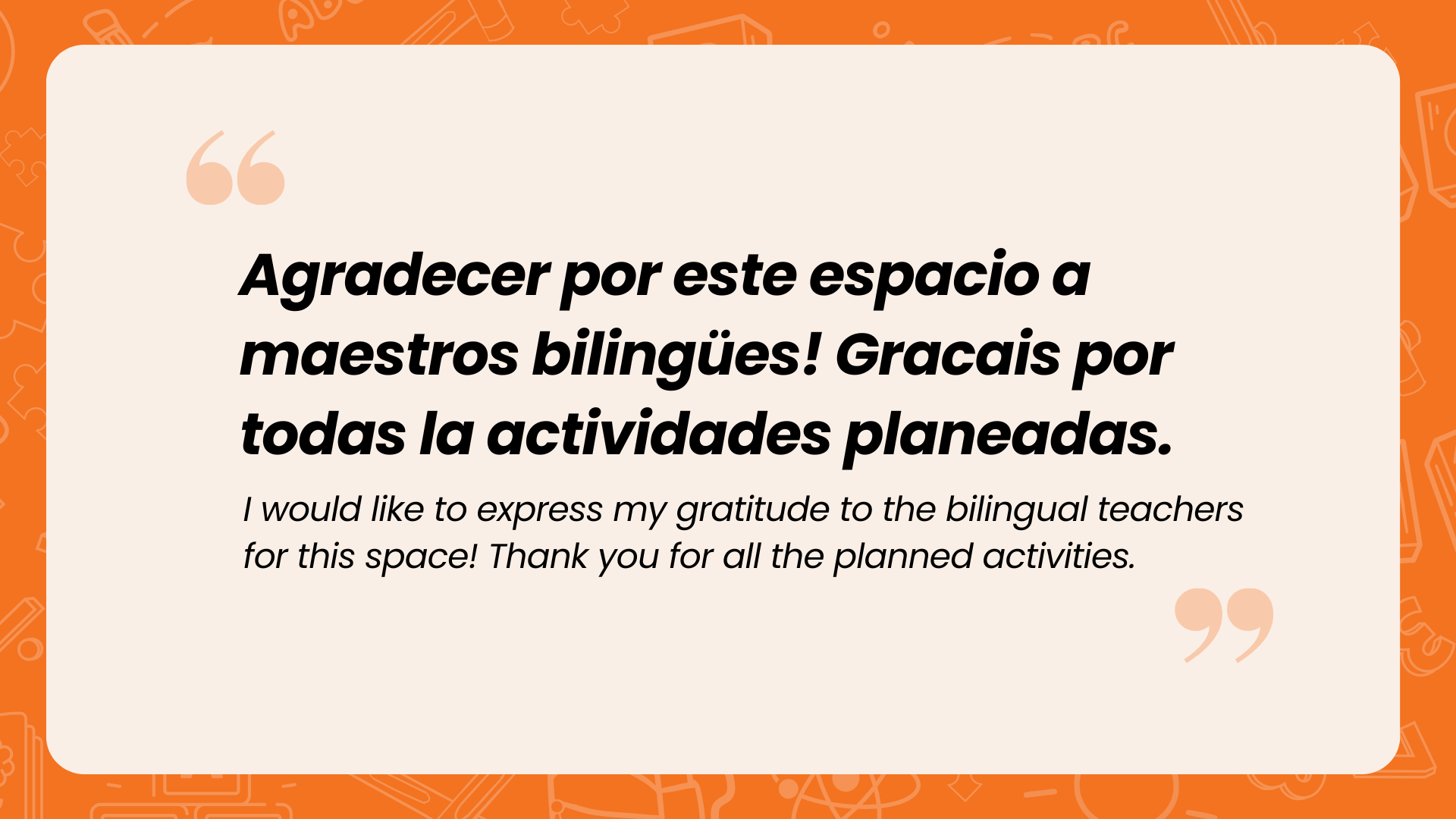
“Me dio mucho gusto asistir y aprender más sobre cómo incluir la educación bilingüe para los niños y familias para continuar trabajando para que haya educación multilingual y que nos hayan dado la oportunidad de hacerlo en el idioma que nos fuera más cómodo que para mí es español.”
“I was very pleased to attend and learn more about how to incorporate bilingual education for children and families—continuing our work toward achieving multilingual education—and that we were given the opportunity to do so in the language we felt most comfortable with, which, for me, is Spanish.”
It made the space feel more open, more collaborative, and more aligned with the realities of the classrooms they serve.
The session also created time for educators to think about what translanguaging could look like in practice. The focus was on small, immediate shifts, something they could try the next day. In systems as complex as schools, change often starts with what is doable. For many, those shifts were grounded in relationships with students and families.
Impact beyond the room
So far, Échale Ganas has reached educators across more than 20 districts and early learning communities in Oregon. As districts continue to strengthen how they serve multilingual students and families, professional learning spaces like Échale Ganas play an important role.
They create opportunities for educators to reflect on practice, learn across systems, and test new ideas. These shifts show up in classrooms, shaping how students experience language, belonging, and identity.
For multilingual students and families, this shift can mean the difference between adapting to school and seeing themselves reflected in it.
Interested in joining our next session? Reach out to Julio Bautista at julio@childinst.org
Learn more about Échale Ganas here!